Elemental Architecture: Vilnius 2011–2016
2011–2016 · teachingA series of seminars and workshops at the Vilnius Academy of Arts
- year
- 2011–2016
- type
- teaching
- status
- exhibited at the Vilnius Academy of Arts (2011, 2012), the National Gallery of Art and Gallery Titanikas, Vilnius (2013), and Gallery Academia, Vilnius (2014)
- credit
- Daniel Koehler and Rasa Navasaityte, seminar instructors; Graphical Engineering workshop by Daniel Koehler
- program
- Between the Parts, Early work
- where
- Vilnius Academy of Arts · Digital Design Strategies seminars, Department of Architecture; Graphical Engineering workshop, Department of Graphic Design · 2011 to 2016 · Vilnius
- links
- Environmental Design and its historical Trajectories (video, 2012) · From Landscape to Roofscape (video, 2013) · The Figure and its Figuration (video, 2014)
- students
- Eglė Rutkauskaitė, Agne Simkeviciute, Virginija Vilutyte, Petras Vestartas, Gediminas Kirdeikis, Lina Baciuškaitė, Aistė Dzikaraitė, Simas Kazlauskas, Vytautas Lukšas, Eglė Židonytė, Paulius Dascioras, Lukas Revinskas, Ieva Marcinonyte, Donatas Brucas, Ruta Burokaite, Ieva Mockeviciute, Ruta Stankeviciute, Mykolas Gerliakas, Lijana Norvaišaite, Algis Lipkevicius, Raminta Ražauskaite, Ruta Marija Slavinskaitė, Paulius Venckūnas, Lina Venckutė, Jezi Daveiko
- no.
- 005
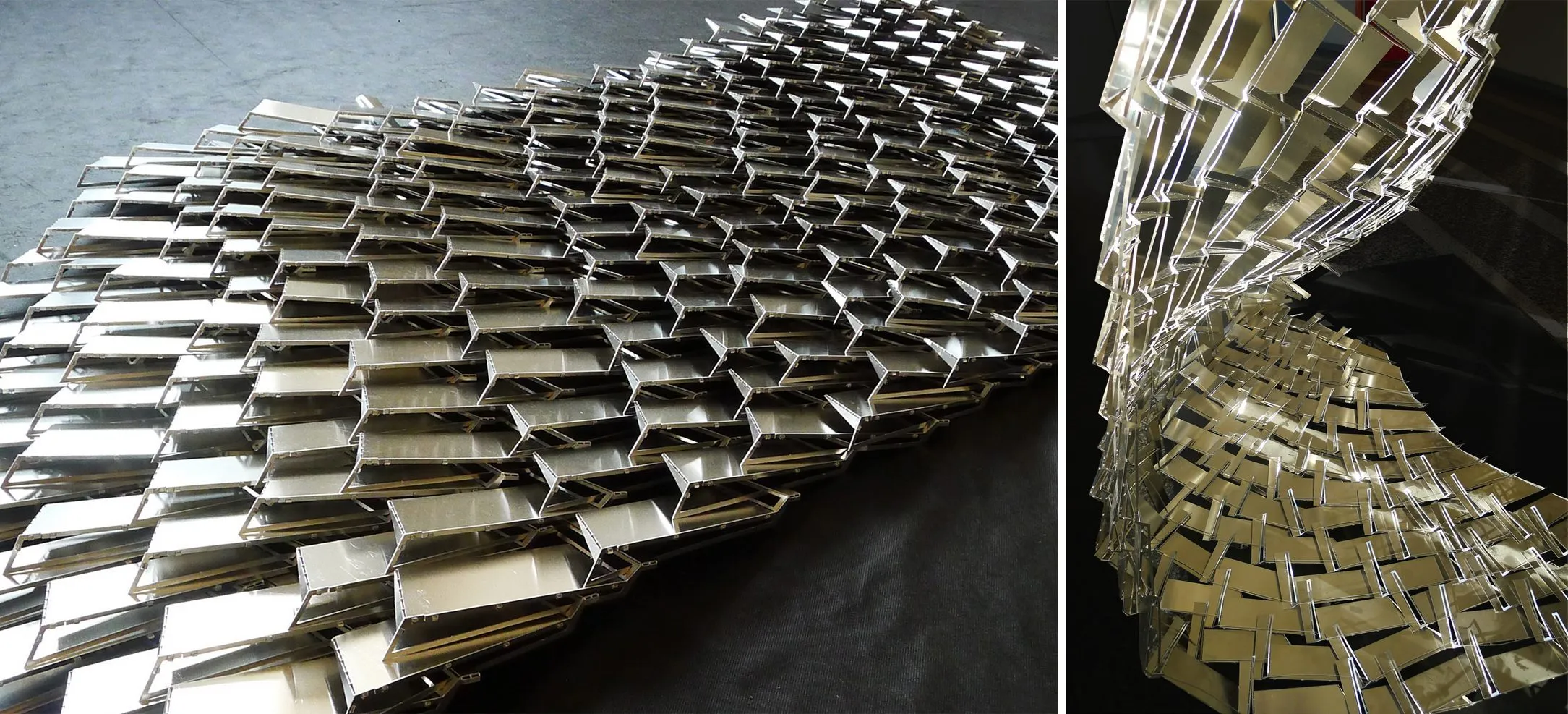
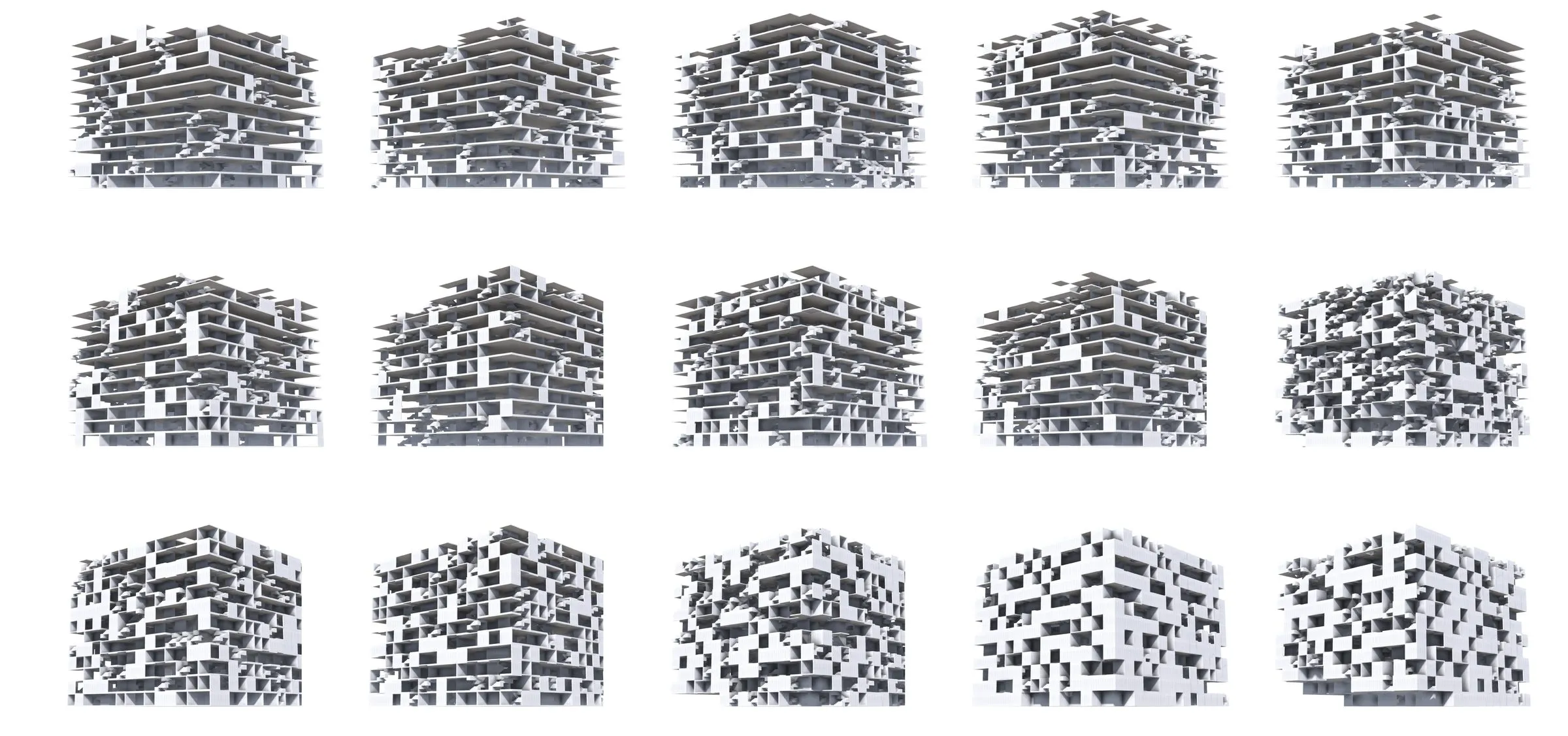
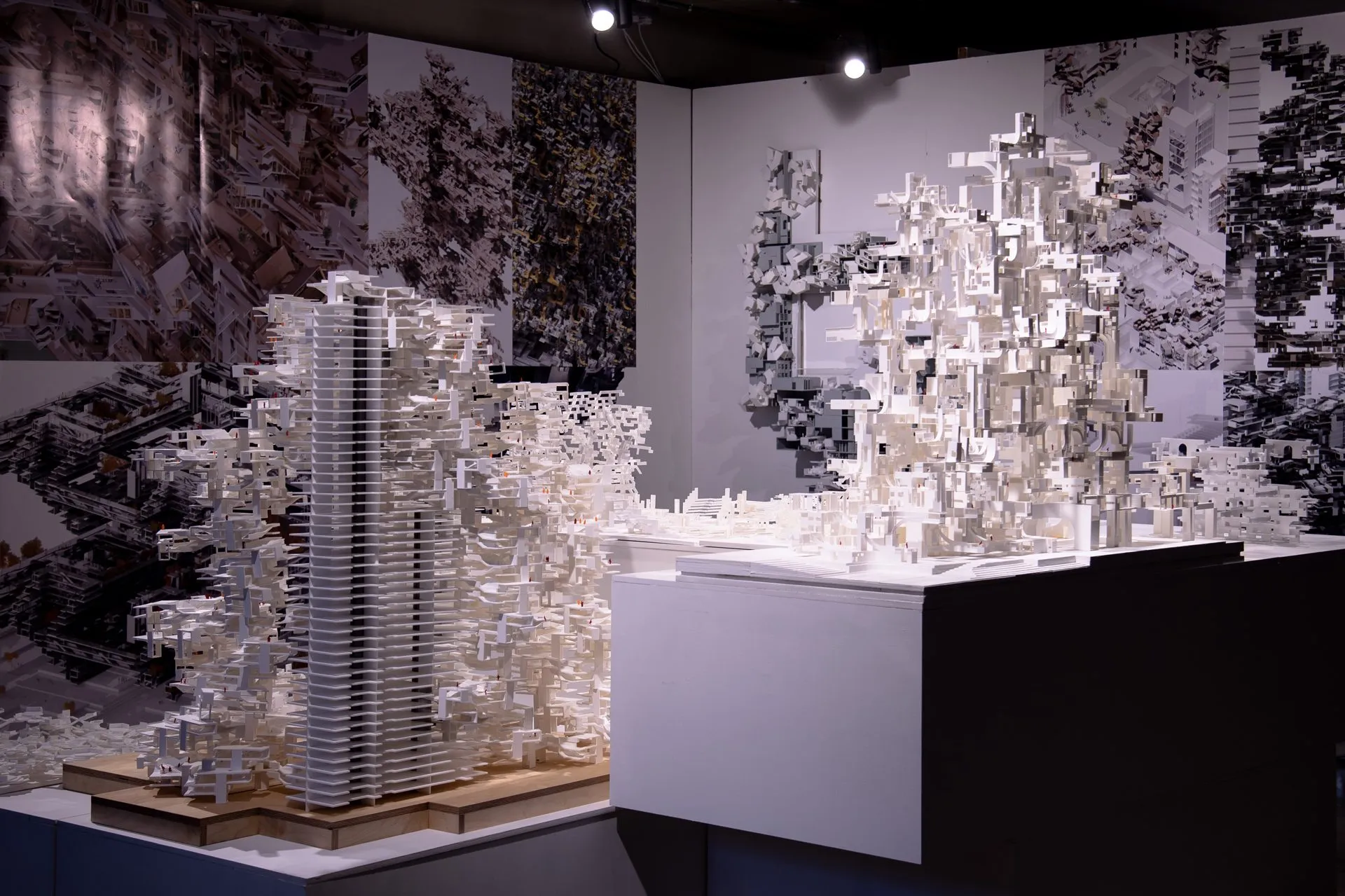
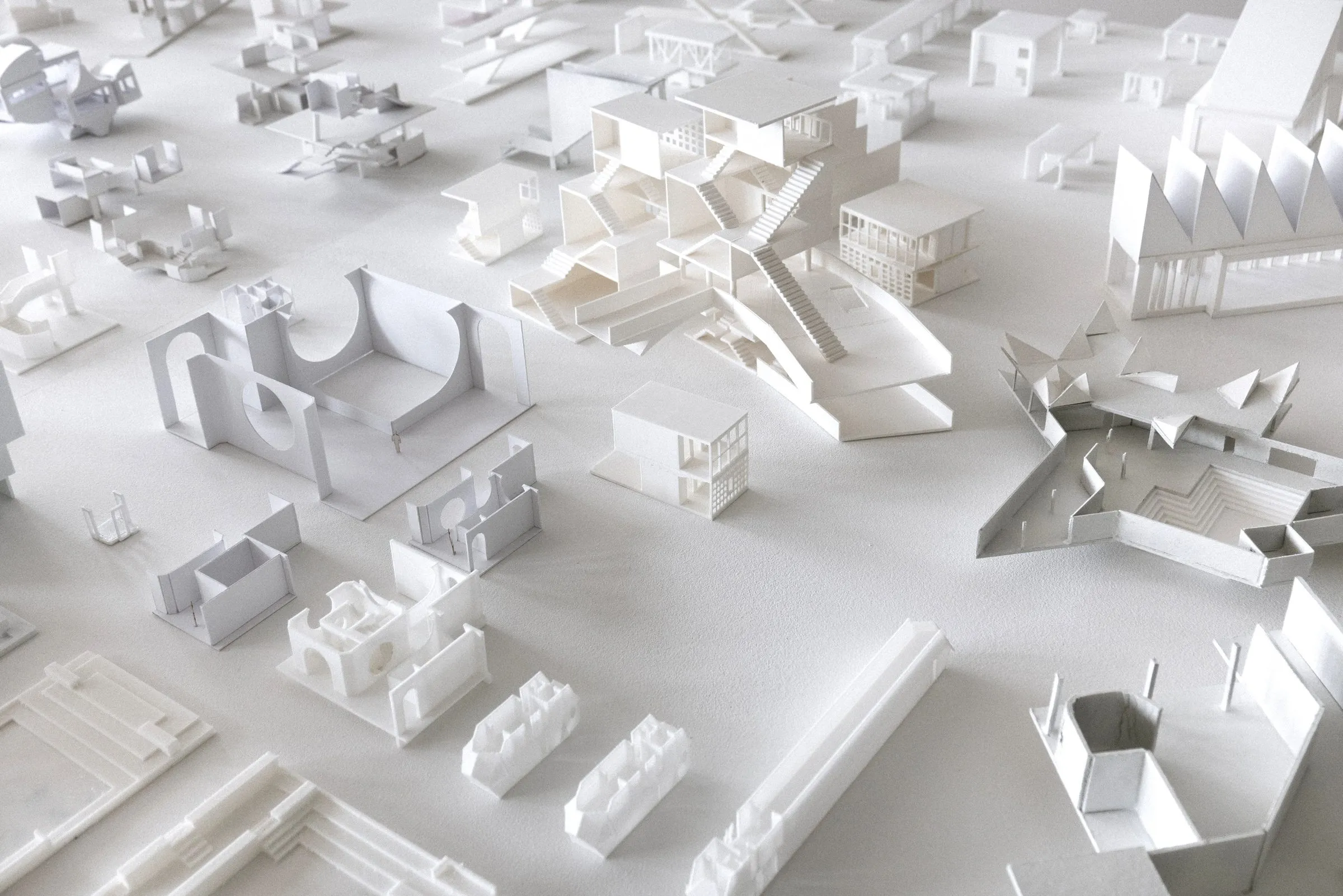
The seminars at the Vilnius Academy of Arts began in 2011 and became a six-year inquiry into elements, taught by Daniel Koehler and Rasa Navasaityte as adjunct professors in compact workshops each spring, most of them closed by an exhibition. Architecture as an organizational matter (2011) introduced the shift from the computer as a representational tool to an organizational principle: five groups converted dynamic systems into assembled paper models, shown at the Academy from 4 to 11 March 2011. Environmental Design and its historical Trajectories (6 to 17 February 2012) read vernacular Lithuanian building as the transcription of social processes and took the grouping behavior of the sutartinės, the traditional pattern of dance and song, as its model: from the clothes and gestures of the dancers the eight participants derived types of elements and their behaviors, and the accordance of the pattern reappeared as a tectonic textile in Semper’s sense, readable as shelter, urban formation or plan.
From Landscape to Roofscape (4 February to 14 March 2013) set Frei Otto’s tensile roofs against Alberti’s part-to-whole relation, in which the city is a large house and the house a small city. Opposed to a landscape, a roofscape is constructed from autonomous elements whose continuity evolves through their agreement: fourteen students built roofs from arrangements of rigid particles and their connections. The exhibition opened on 14 March 2013 at the National Gallery of Art on Konstitucijos prospektas and continued at the Gallery Titanikas until 29 March.
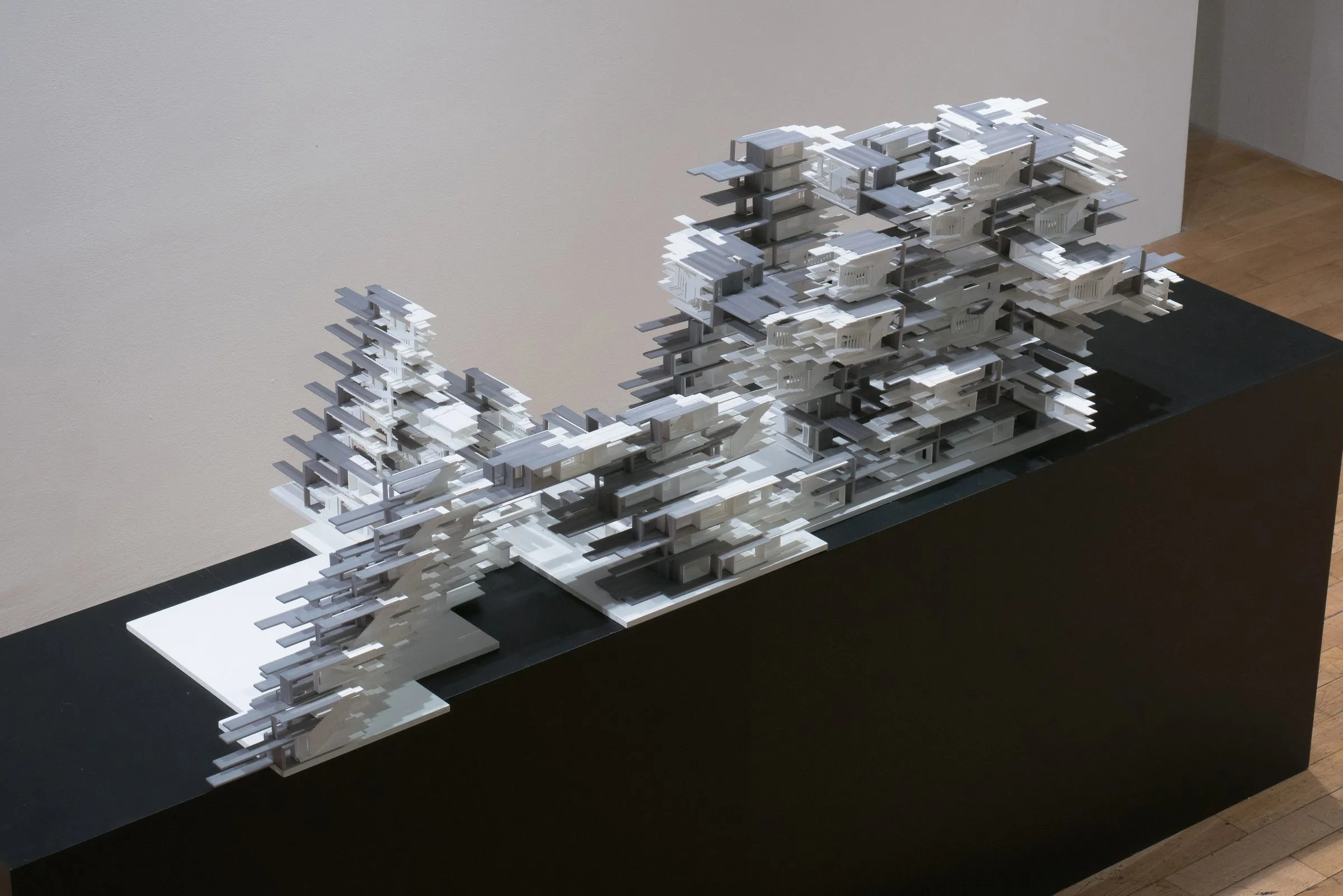
Bridging the fourfold of architectural resemblance (10 to 14 February and 26 to 31 March 2014) took Foucault’s premodern fourfold, convenientia, aemulatio, analogy and sympathy, as techniques for grouping discrete figures, and asked seven students to design a bridge between two banks with Rhinoceros, Grasshopper, Processing and the physics library bRigid. The results were shown as The Figure and its Figuration at the Gallery Academia in April 2014, and the question behind them was blunt: in an epoch in which individuality is expressed on silver devices made by one company, can the same element in figuration achieve what a customized element does? Elemental Architecture (9 to 20 February 2015) turned from Koolhaas’s Elements of Architecture at the Venice Biennale to Vilnius itself, whose building complexes hold gothic, baroque, modern and brutalist elements in equal flatness, and read the digital condition through the city as a medium. The later seminars ran until 2016 under the titles Digital Parts and Wholes and The Figure and its Figuration. A Processing workshop for the Department of Graphic Design, Graphical Engineering (January 2013), treated graphics as objects rather than representations. The series is documented in the chapter Elemental Architecture in Digital Architecture at the Vilnius Art Academy (2020).
Gallery
16 plates · click to enlarge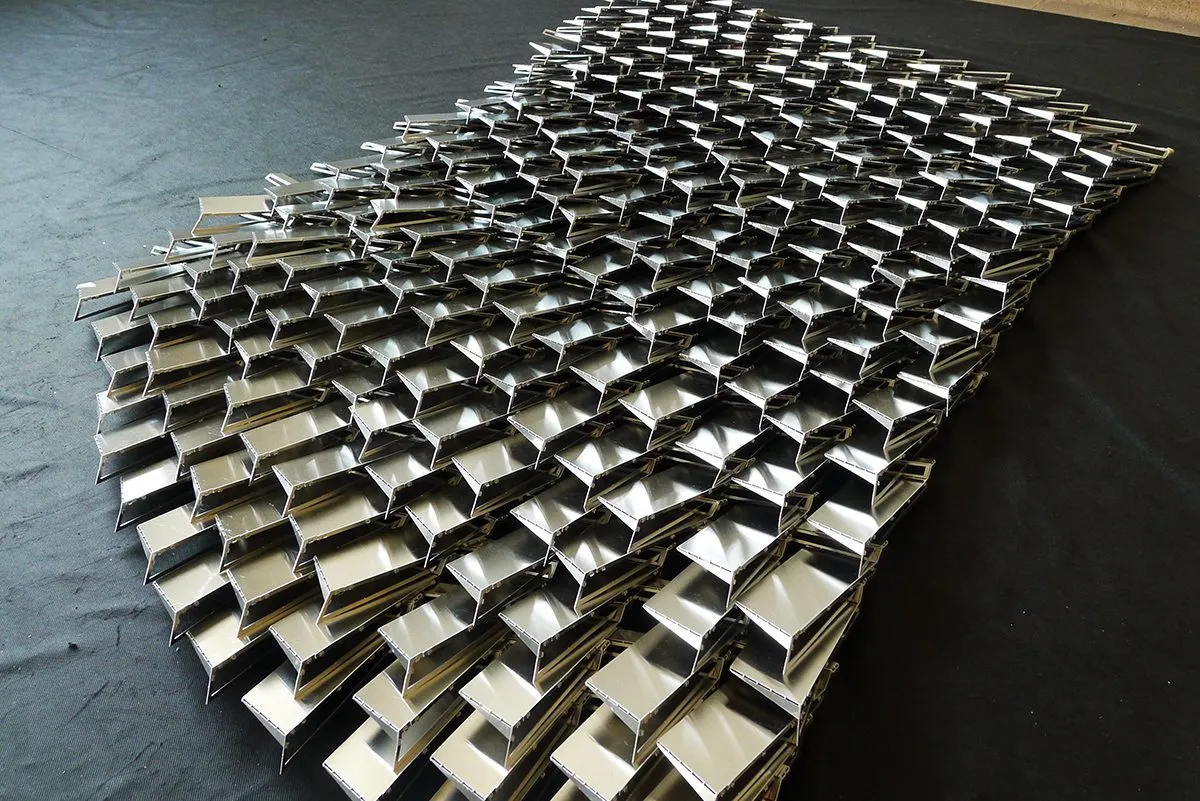
The Figure and its Figuration: identical panels in a shell figuration · photograph · 2014 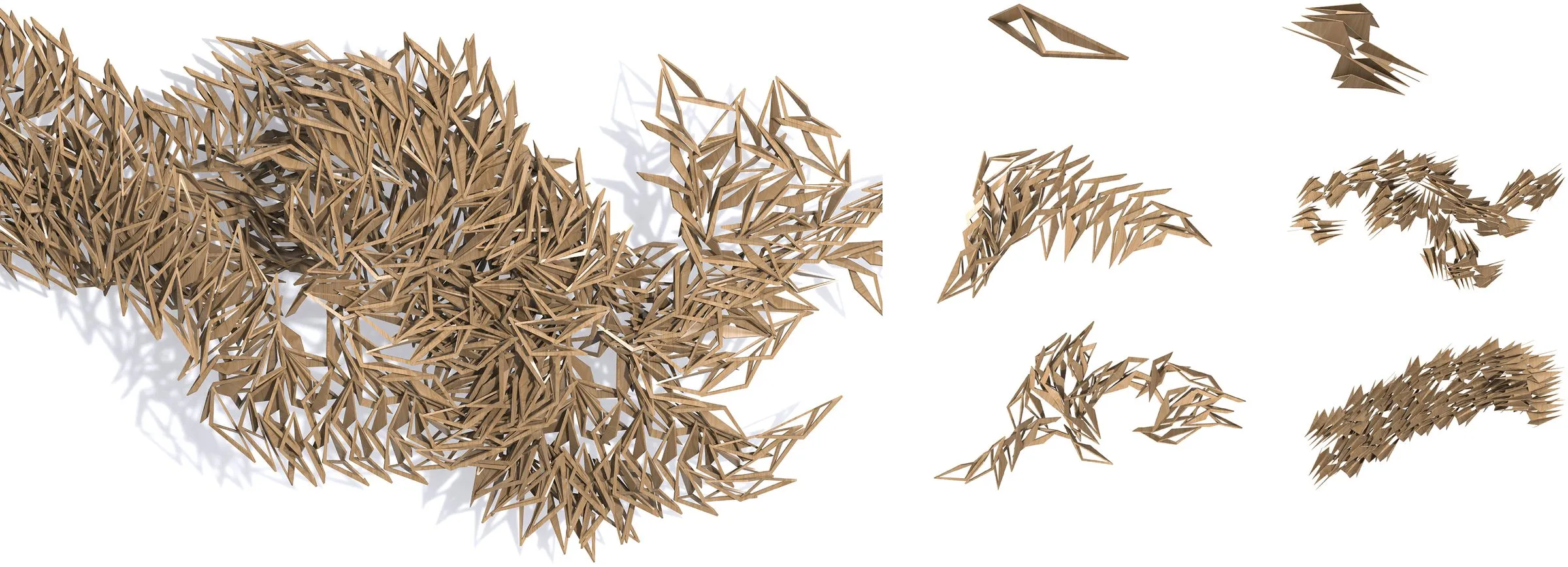
The Figure and its Figuration: final arrangement and design iteration · render · 2014 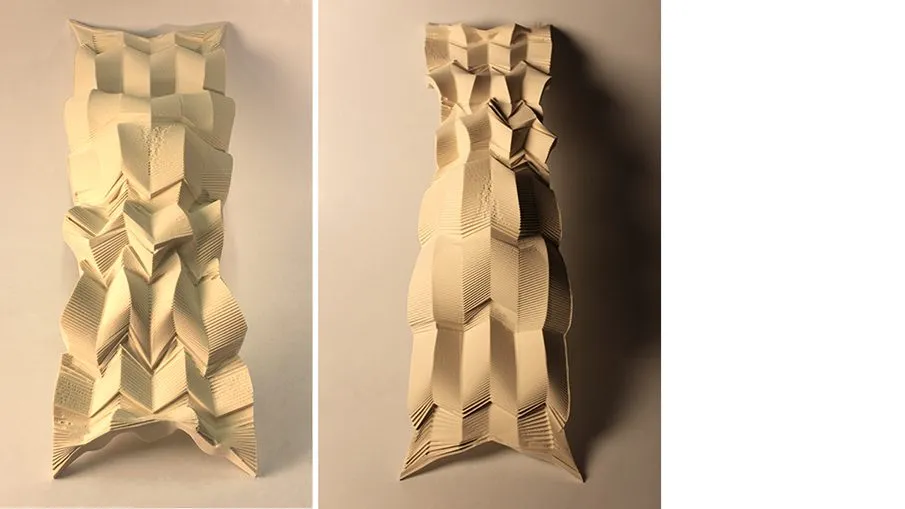
From Landscape to Roofscape: folded elements · 2013 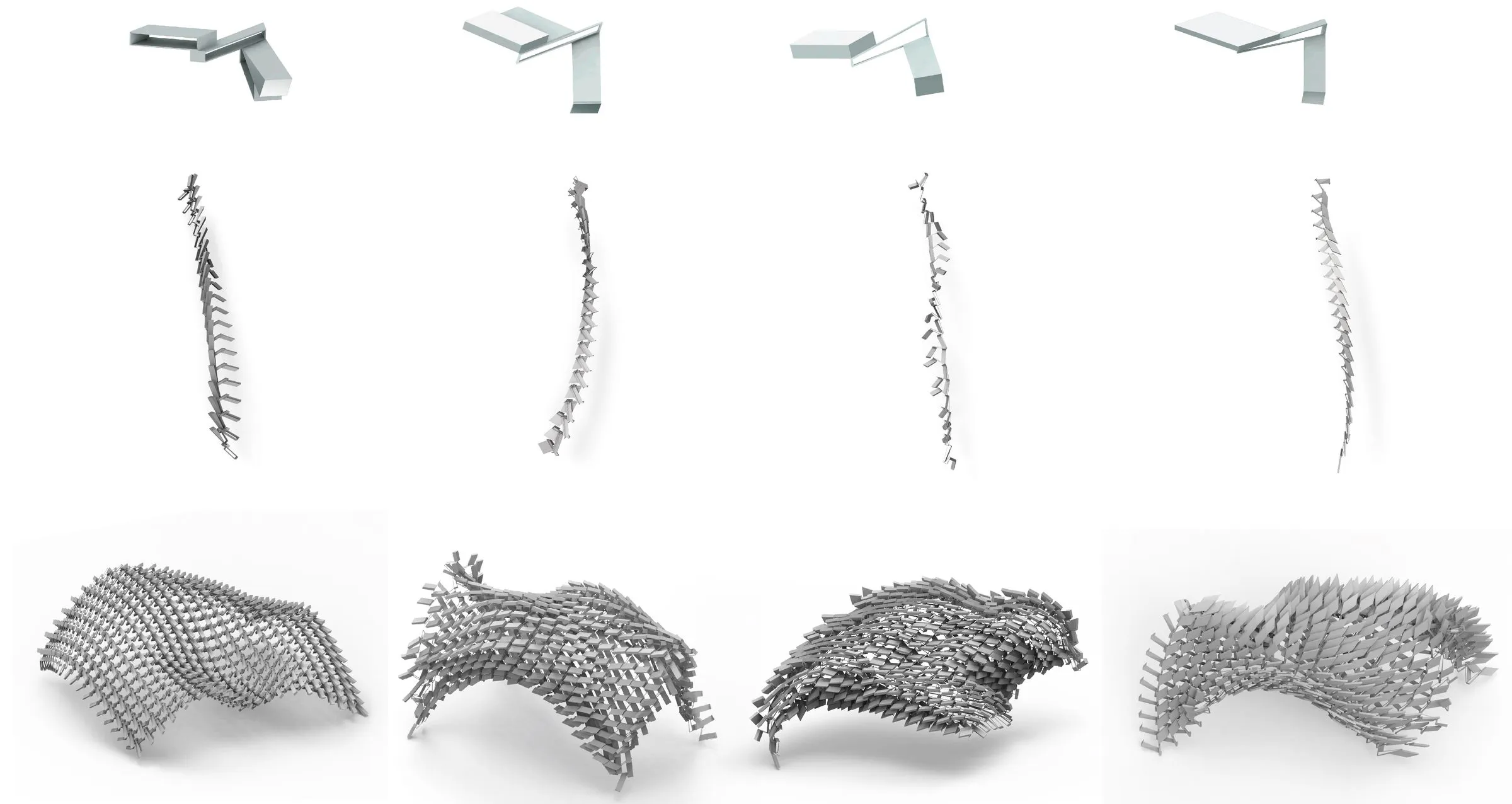
Rigid-body simulation of four elements expressing different figurations, bRigid · 2014 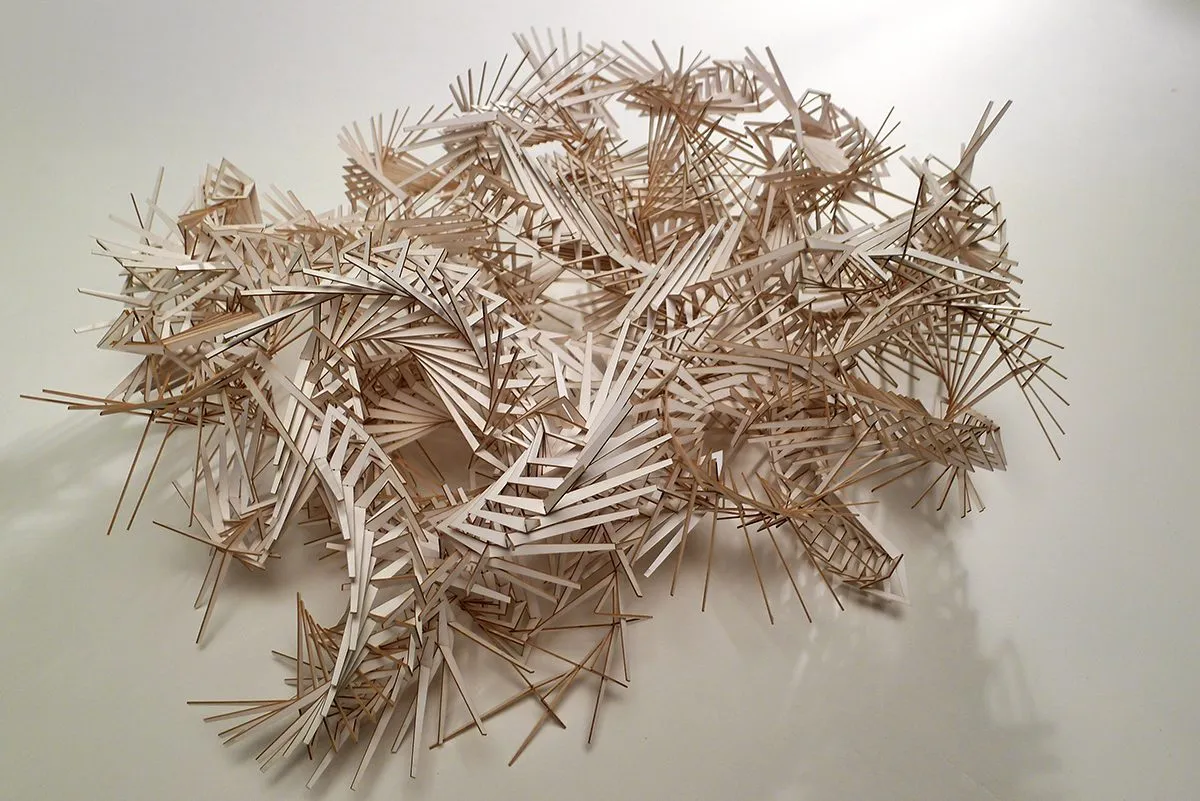
Bridging the fourfold of architectural resemblance: wood element assembly · 2014 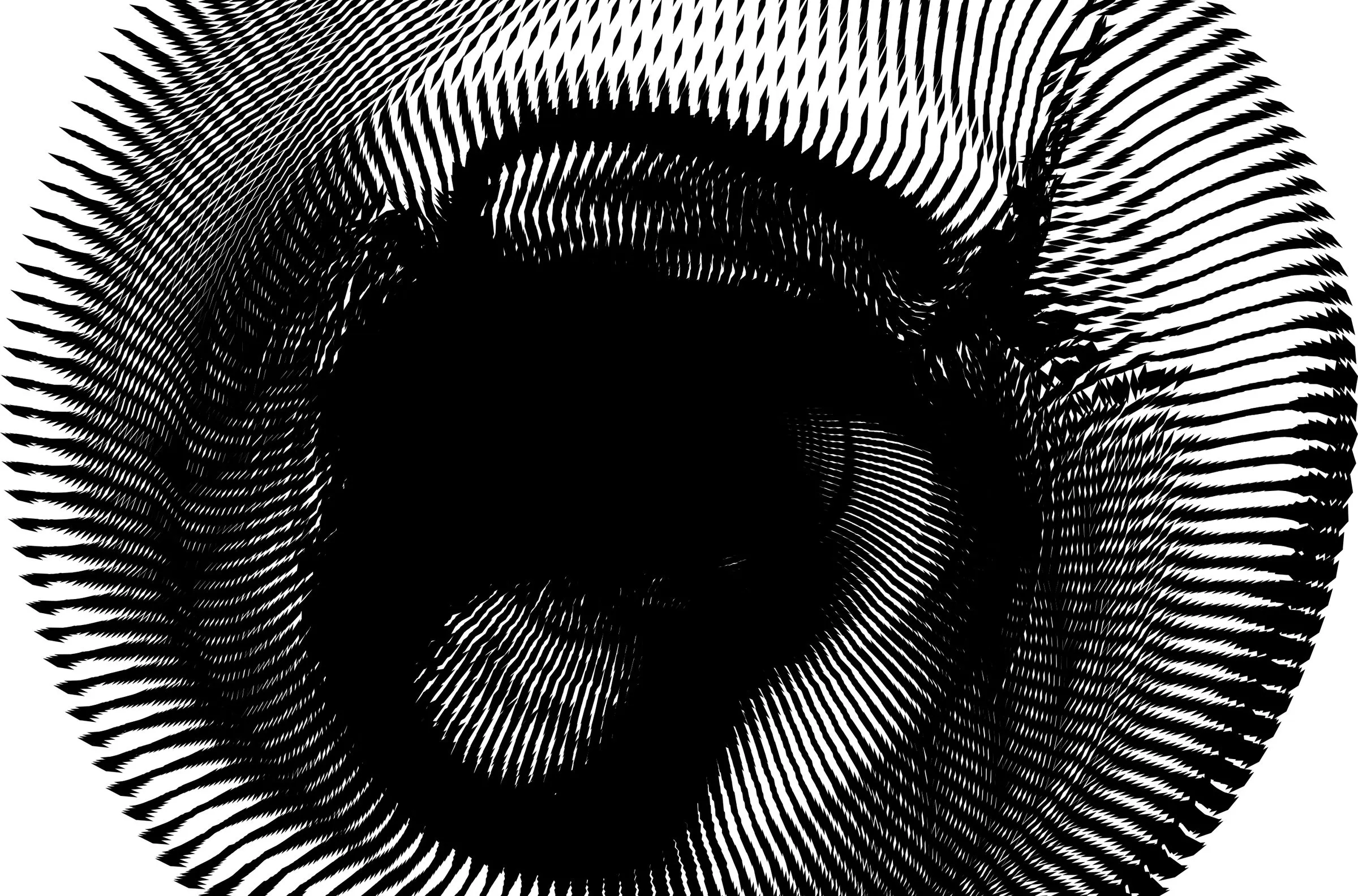
Graphical Engineering, Processing workshop at the Department of Graphic Design: generated pattern · January 2013 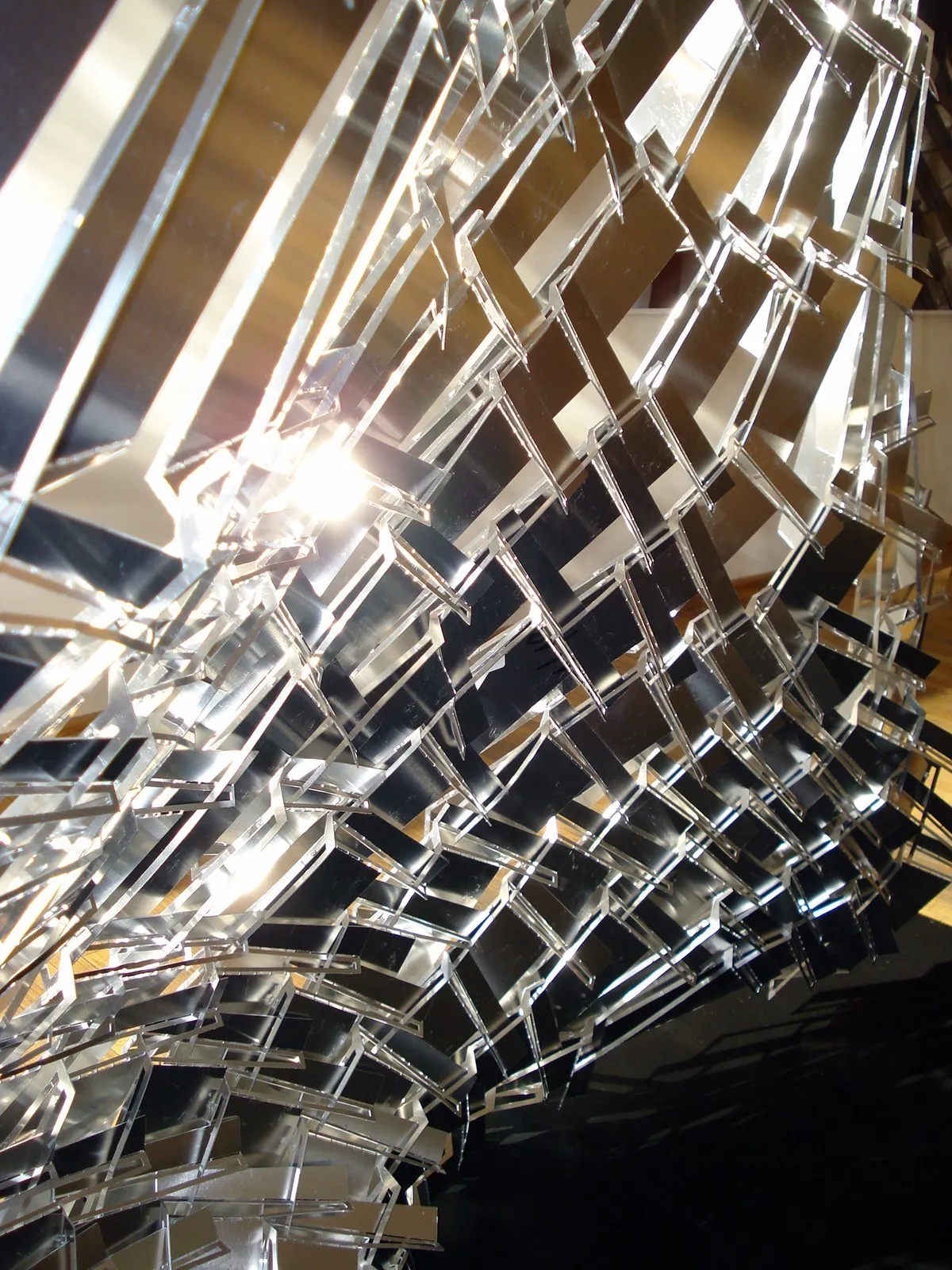
Installation of mirrored strips · student work · photograph 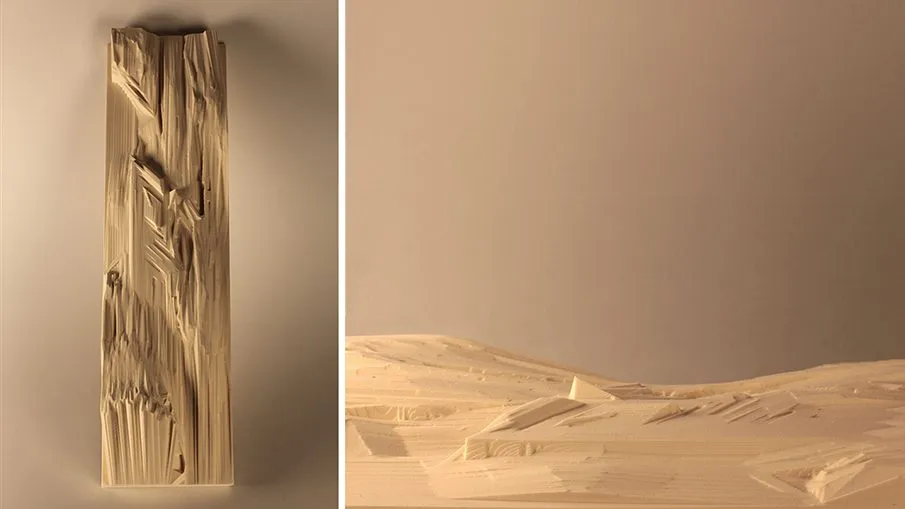
Vilnius workshop 2013 · student model · photograph 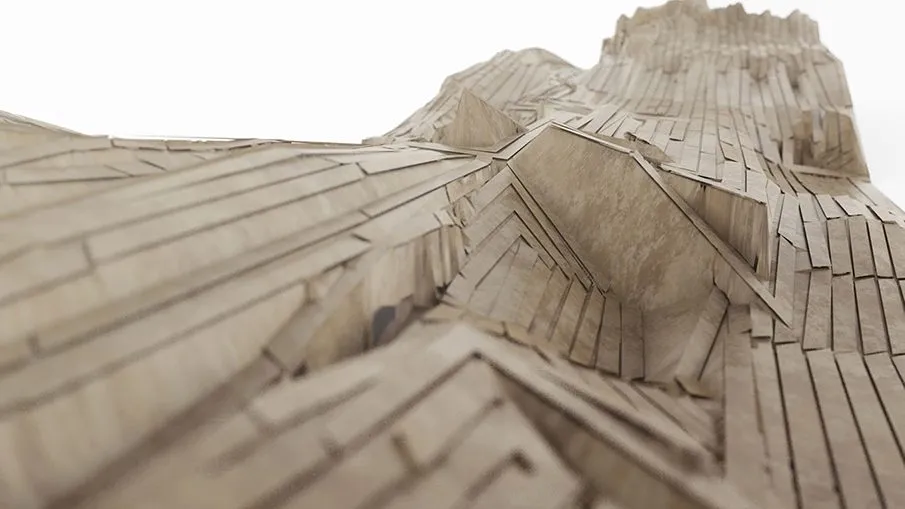
Vilnius workshop 2013 · cut elements · photograph 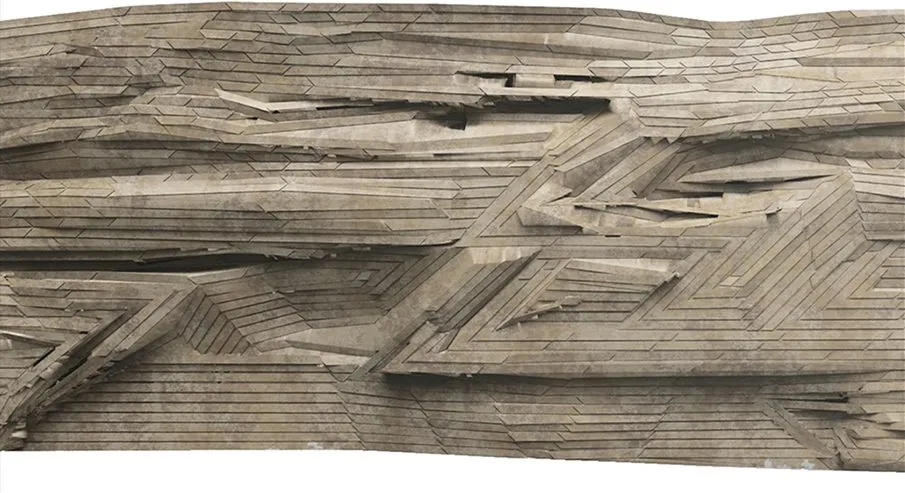
Vilnius workshop 2013 · student objects · photograph 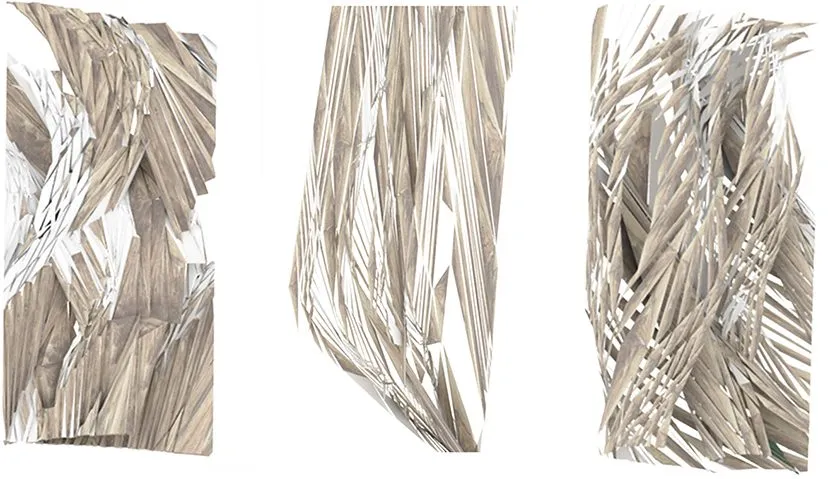
Vilnius workshop 2013 · student model · photograph 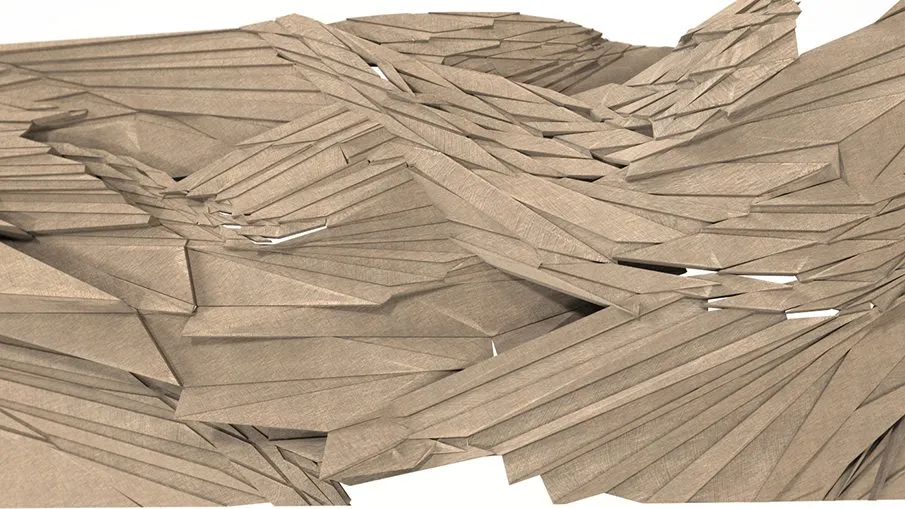
Vilnius workshop 2013 · student model · photograph 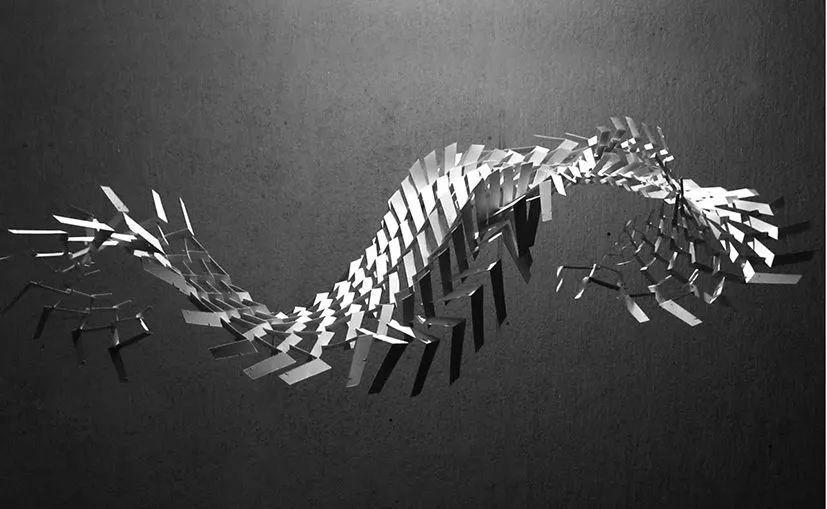
Vilnius workshop · group 5 · model detail · photograph 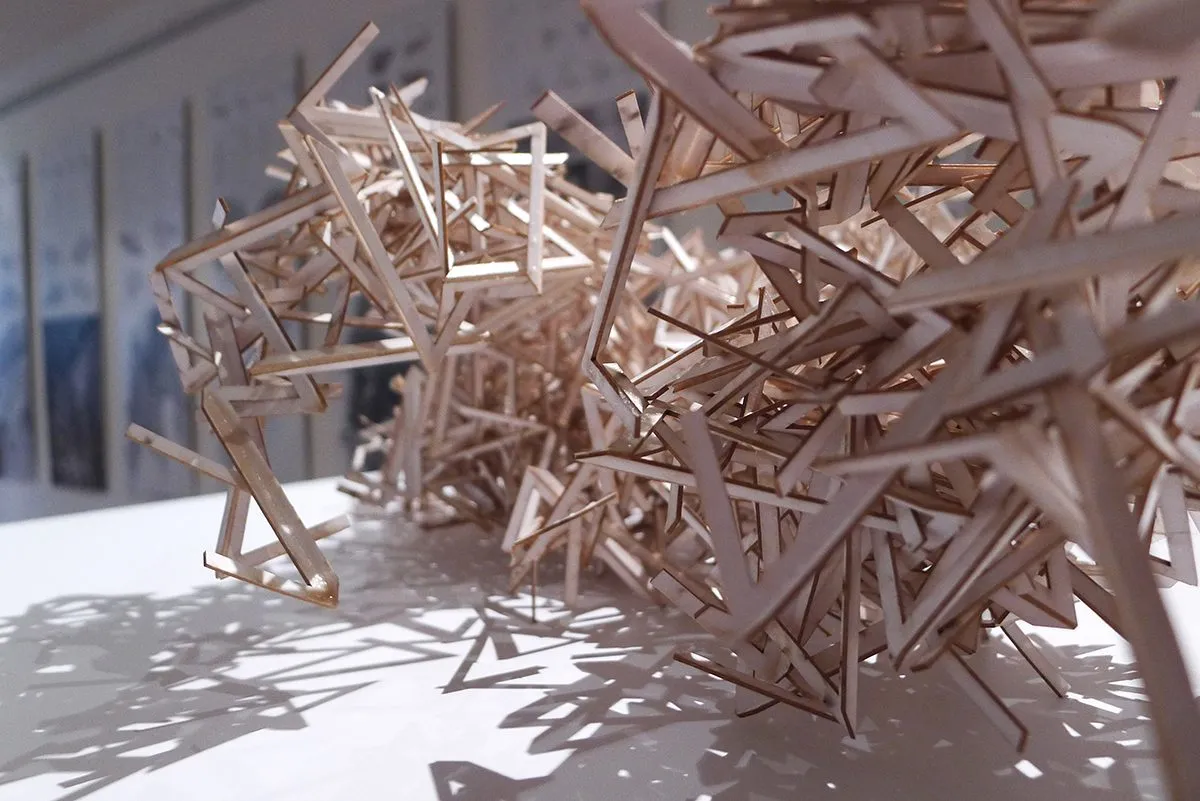
Wood strip relief · student work · photograph 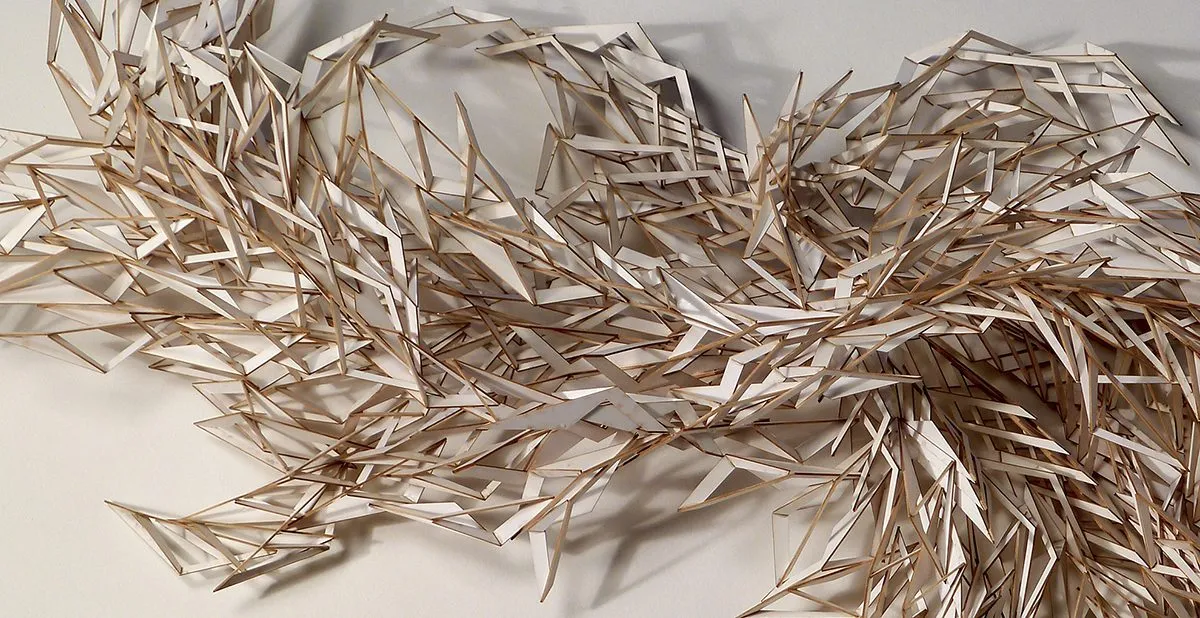
Chain of elements · student work · photograph 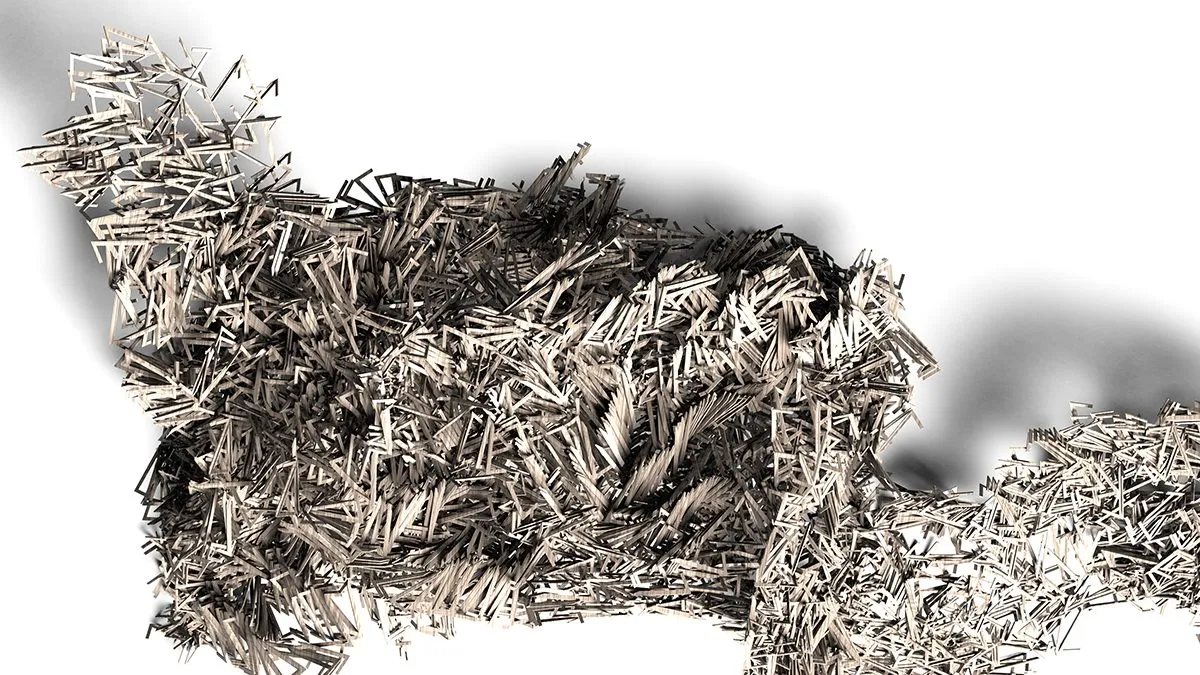
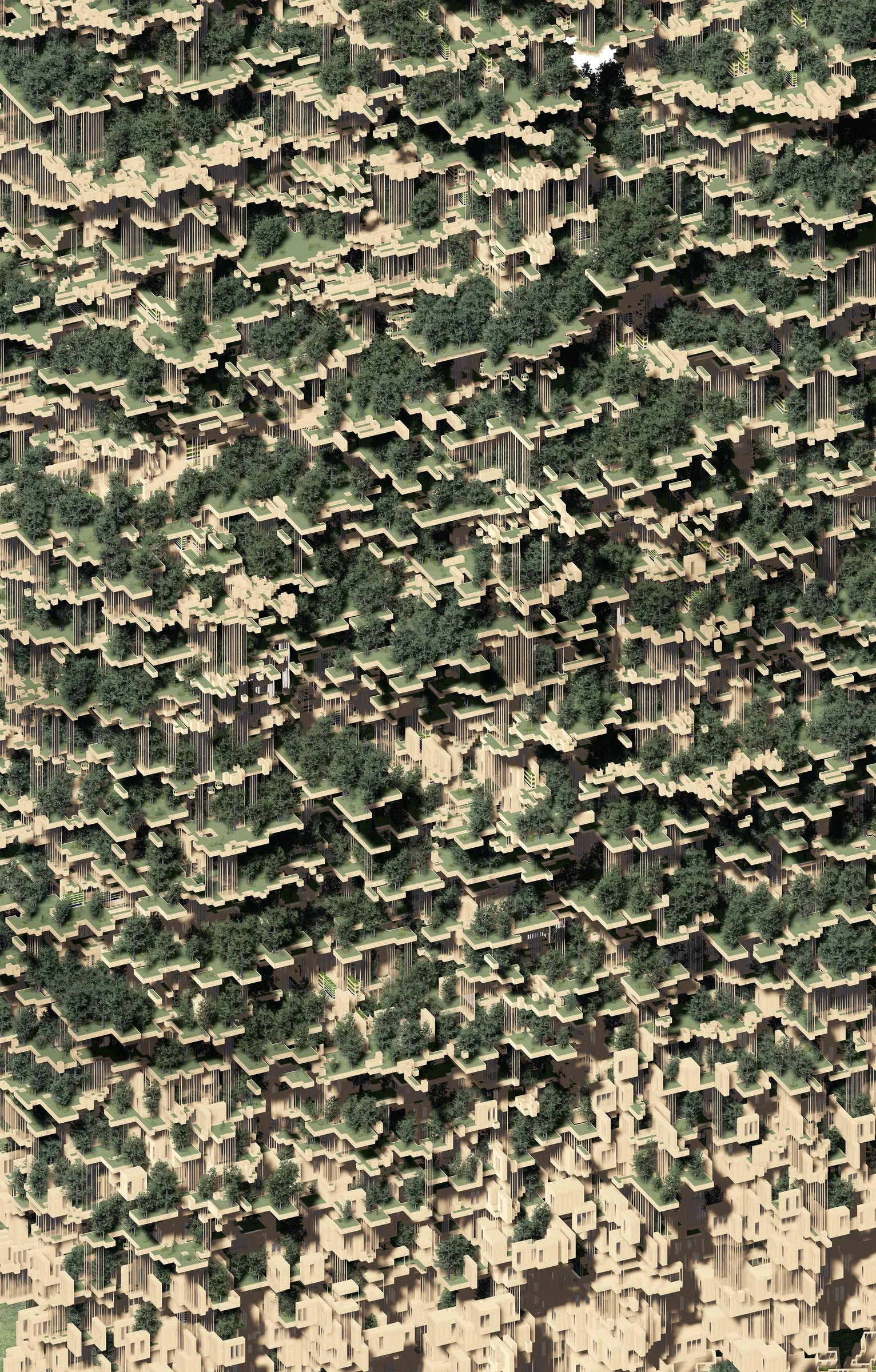
Element cluster · render
Related
3 entries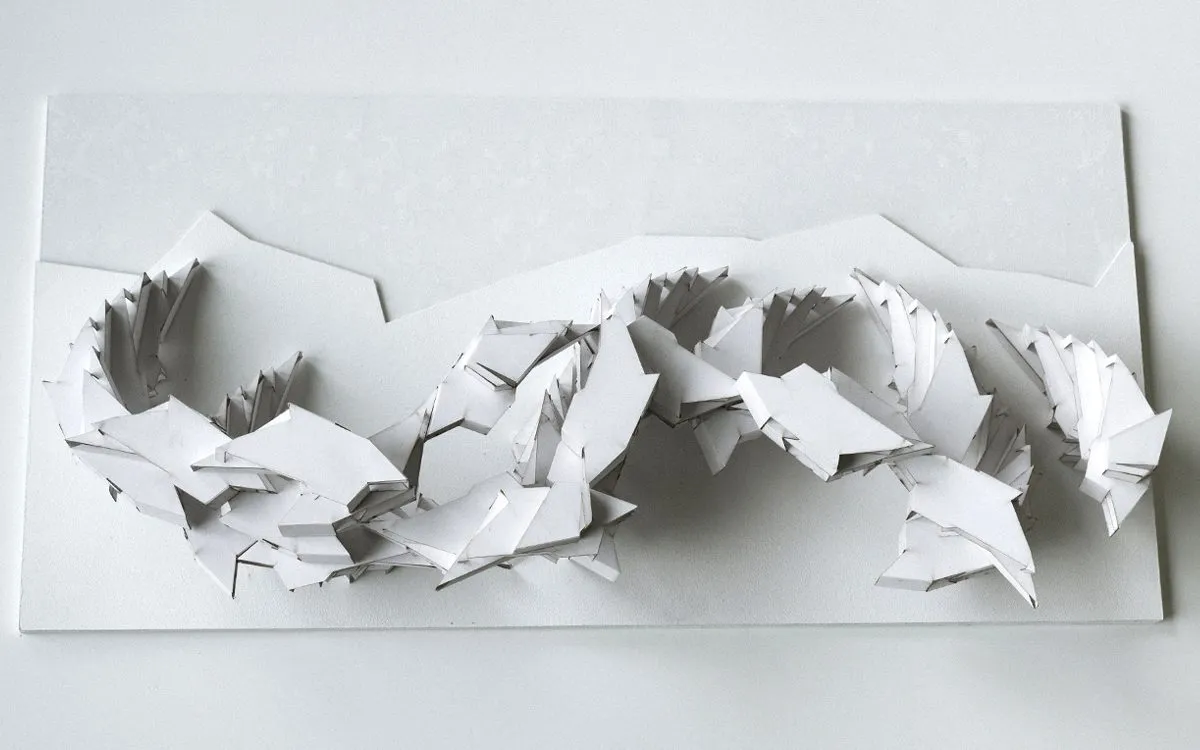
More teaching
13 entries