Making new technology answerable to materials, buildings, and cities.
200 000plates in the Latent Earth atlas
1 060 166generated images of 5 856 cities
13 638AI-predicted building-material candidates
Enter the atlas Latent Earth · an atlas of architecture in Flux.2 · commissioned by the Deutsches Architekturmuseum, Frankfurt
§ 01
The lab
est. 2010 · Austinlab-eds is an architecture research practice. We make new technology answerable to real buildings, materials, and cities: atlases that measure what generative models believe about the built world, materials predicted by AI and made in ordinary workshops, building types induced from both, and studios in which the space between the parts is the material of design.
- Daniel Koehlerassistant professor of architecture
- Rasa Navasaitytelecturer in architecture
- Work with the labaudits · workshops · atlases
§ 02
Programs
5 programs01 · 2024–
Synthetic Types
From predicted matter to built type, by making. Materials predicted by AI are filtered for architecture, made in ordinary workshops with kilns, molds, and the sun, and followed to the tectonic dispositions and building types they afford.
02 · 2022–
Latent Earth
What generative models believe about the world's cities, measured. Datasets of a million generated images, an atlas of 40,000 places, and the bias analyses that make the models' compressions visible.
03 · 2025–
Synthetic Grounds
How computational models become answerable to the physical world, and the physical world legible to computation. Reciprocal grounding as method, evaluation environments as instrument, composition as the architect's contribution.
04 · 2012–
Between the Parts
Relational, ecological design. The space between the parts of a building, where climate, material, use, and construction negotiate, treated as the material of architecture and taught from the foundation studio up.
05 · 2016–2022
Large City Architecturearchived
The lab's first research program, archived. Parts as the unit of urban composition, from a reading of Hilberseimer through the Bartlett research clusters to the exhibitions of 2019 to 2022.
§ 03
Selected work
6 of 52 entries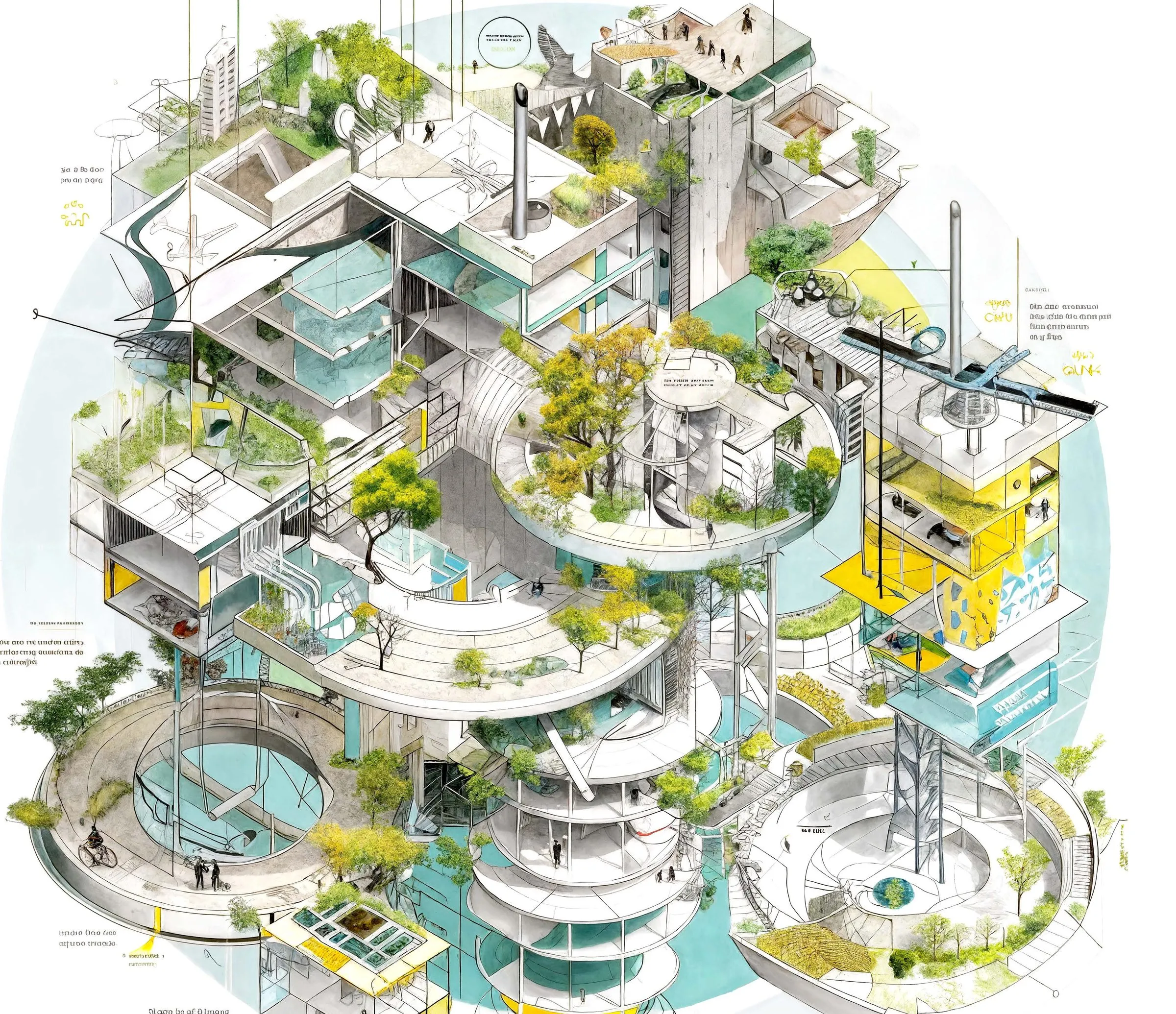
Between the Parts
Doctoral dissertation, University of Innsbruck, defended May 2026: a research-by-design methodology that develops the ecological void as a spatial type, tested from composition to building to city.
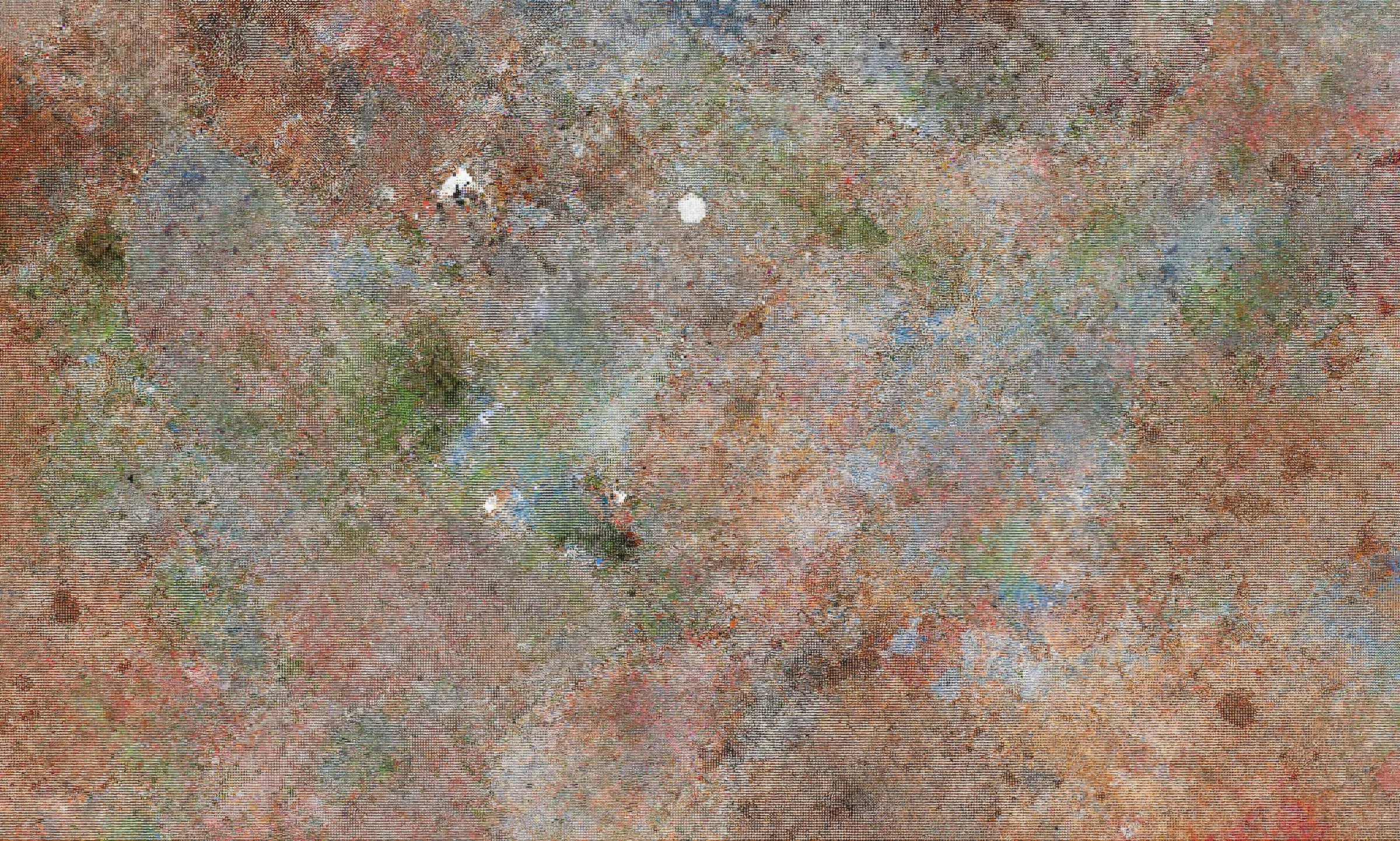
Latent Earth
200,000 images of 40,000 places on Earth, each rendered by one image model from nothing but the place's name and sorted by the model's own internal representations. Not a picture of the world but a probe of the model.
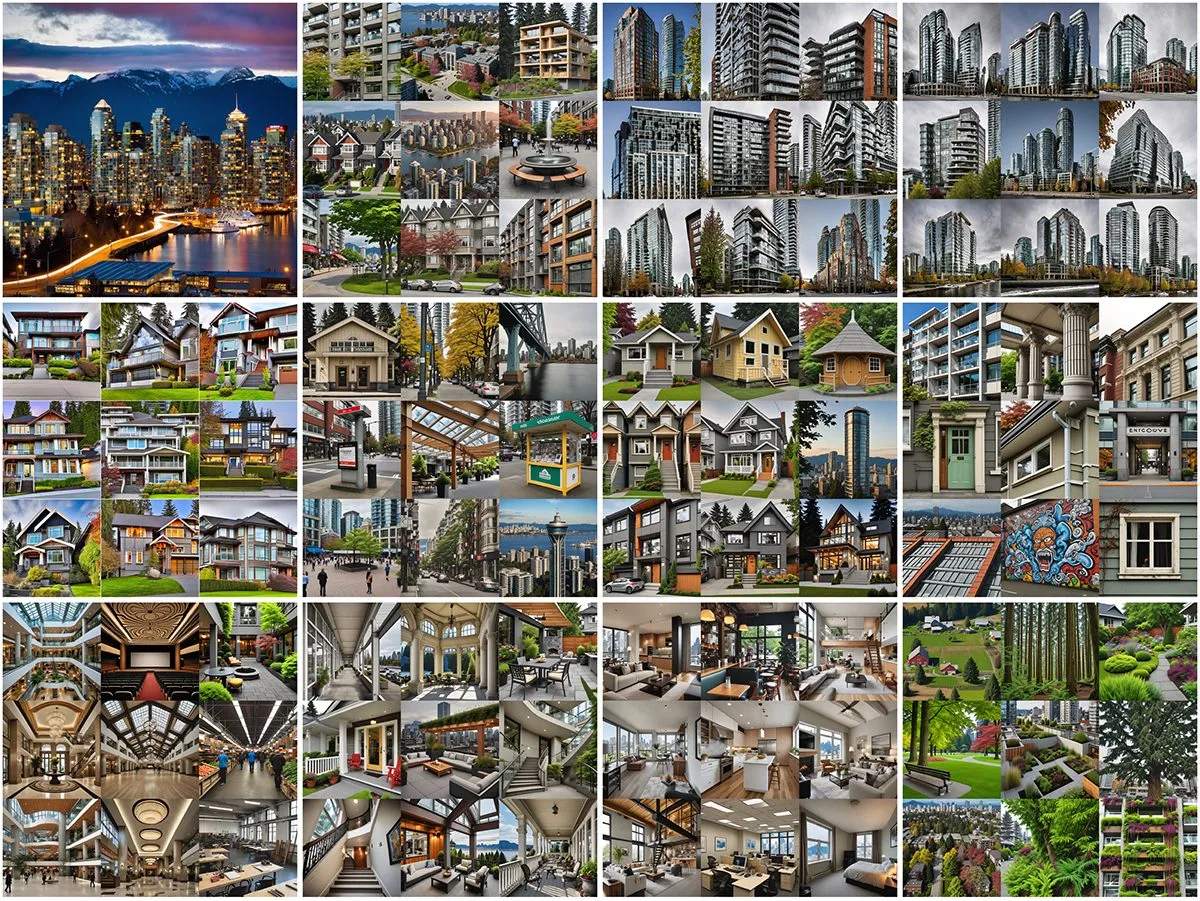
LCA-GCS
1,060,166 generated images of 5,856 cities across some eighty architectural types, published as an open dataset with an analysis of what image models believe about the world's cities and of the stereotypes they carry.
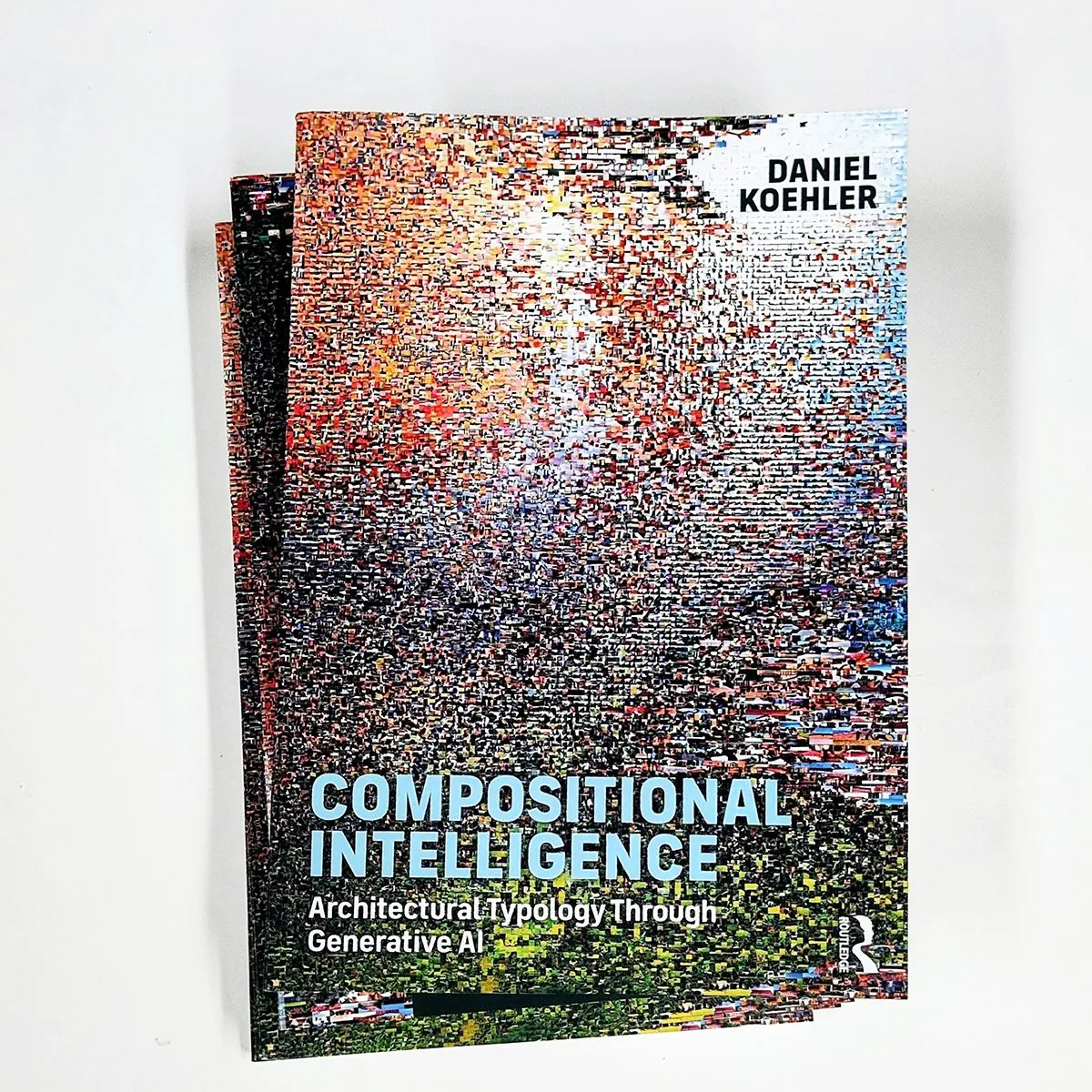
Compositional Intelligence
A monograph on generative AI and architectural typology, with a foreword by Mario Carpo. How large models compress the built world into types, and how architects can compose with those compressions rather than consume their images.
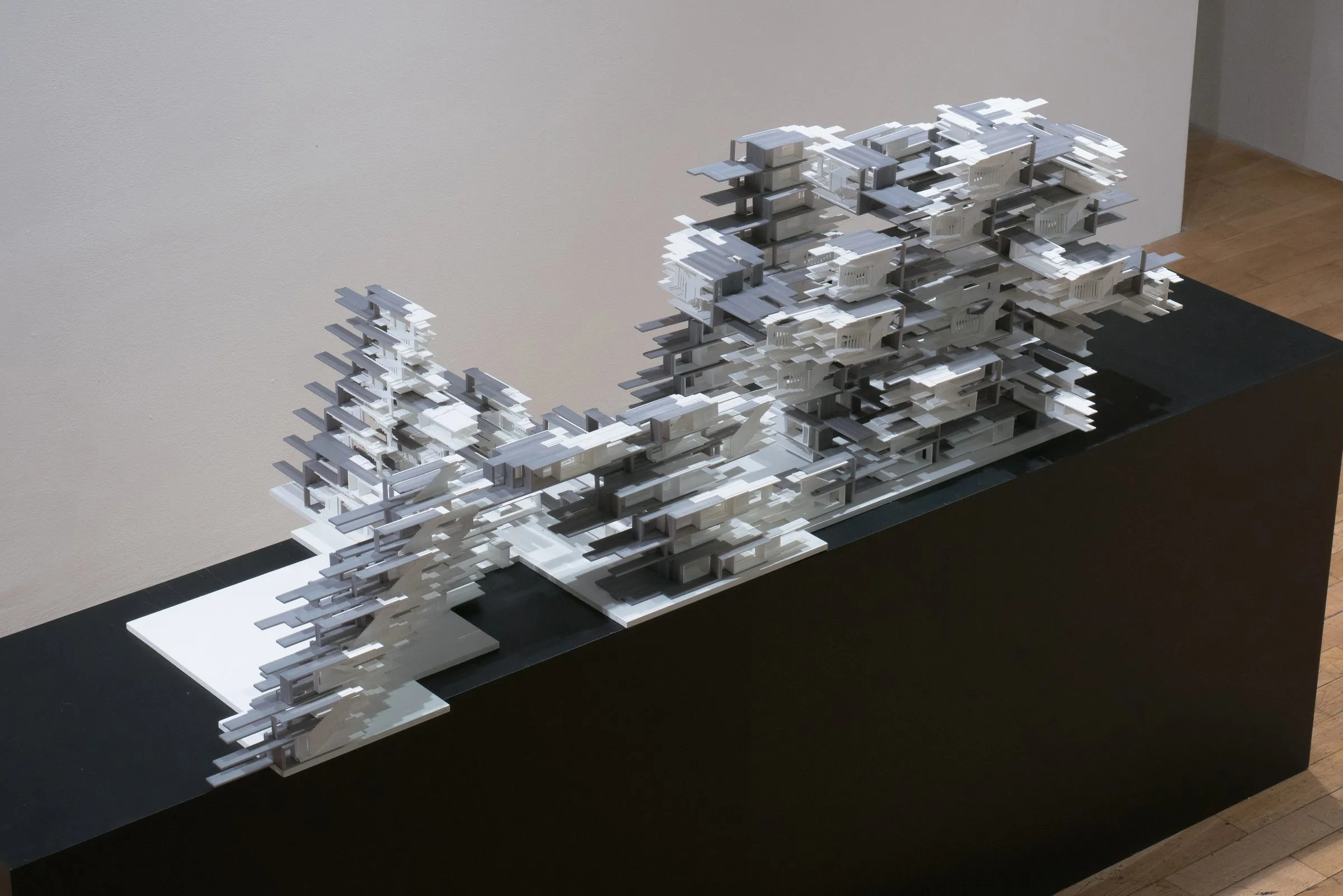
Maison Partino
Reinforcement learning assembles a small vocabulary of prefabricated parts into housing. A family of variants for the Prague Experimental Architecture Biennale, where the building is a negotiated aggregate of parts rather than one design.
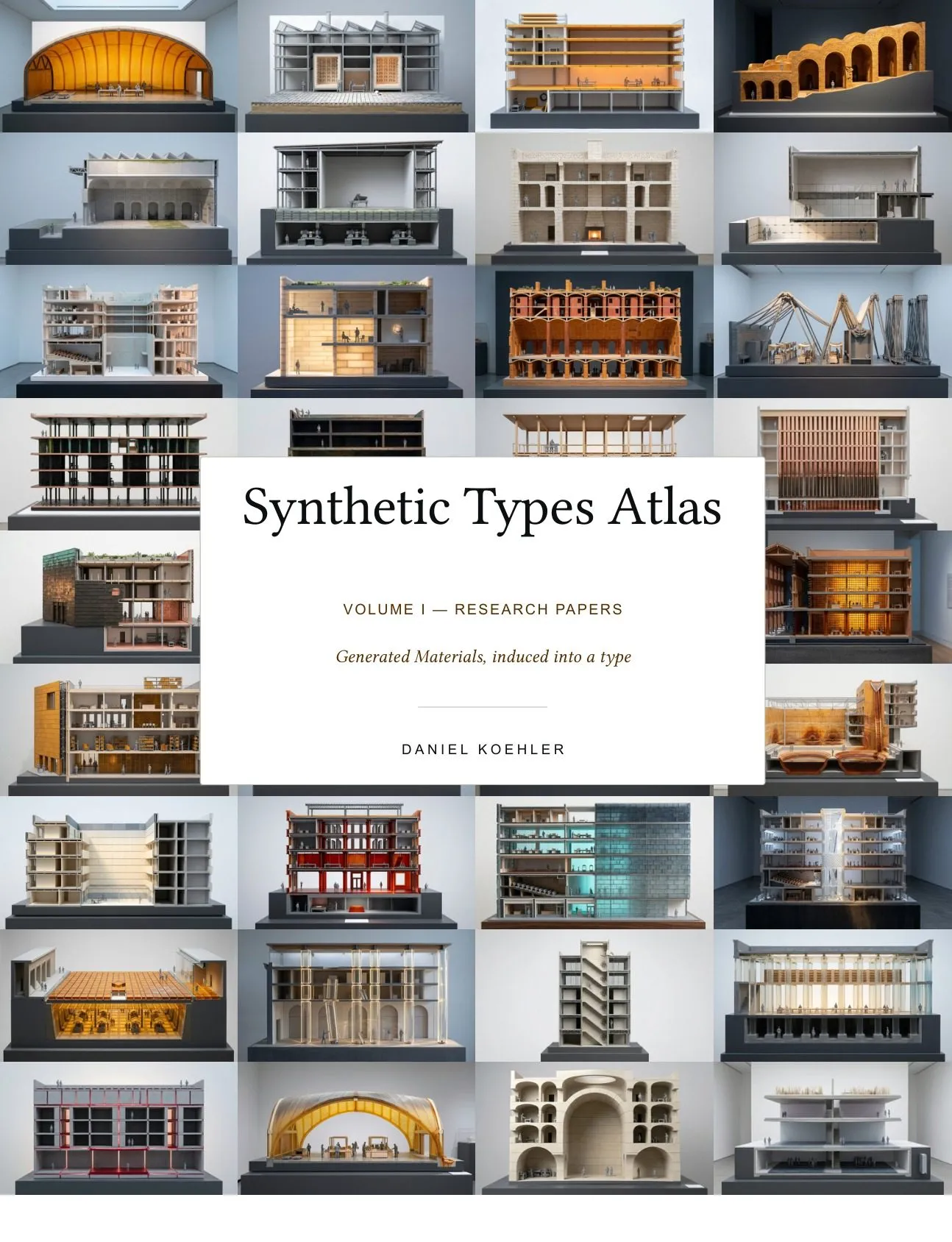
Synthetic Types Atlas, Vol. I
Thirty-six case studies follow an AI-predicted material from its synthesis to the building type it induces, over 489 pages researched and adversarially fact-checked by a multi-agent pipeline. The book of the Synthetic Types research, and the source of its design studies.
§ 04
Writing
6 selected2026 · book
Daniel Koehler · Independently published
2026 · chapter
Reciprocal Groundings: Human-AI Companionship and the Synthesis of Vernacular Intelligence
Daniel Koehler · Artificial Intelligence and Ecological Design: Frameworks and Methods for Deep Vernacularity, ed. Shermeen Yousif and Vernelle A. A. Noel · Wiley, Hoboken
2026 · thesis
Rasa Navasaityte · Doctoral dissertation, University of Innsbruck
2025 · conference
Catherine Graubart, Daniel Koehler · ACADIA 2025 Proceedings, Miami
2025 · book
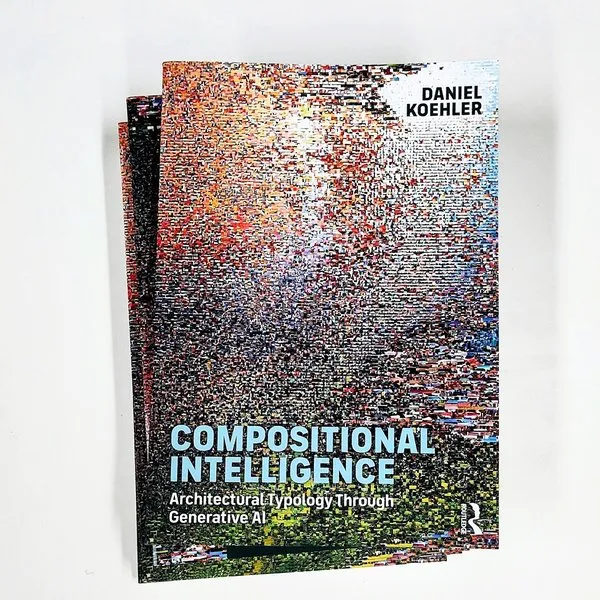
Daniel Koehler · Routledge, London
2016 · book
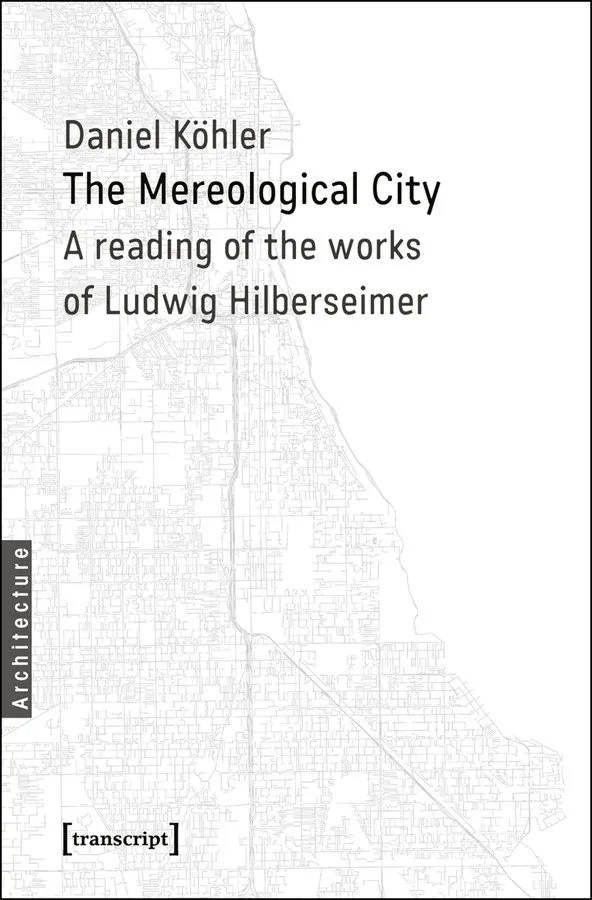
Daniel Koehler · transcript, Bielefeld, in cooperation with Columbia University Press