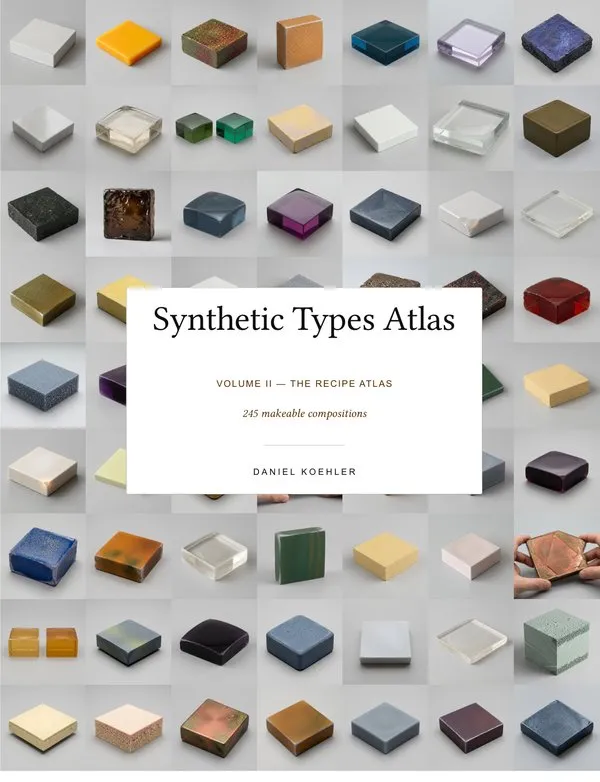
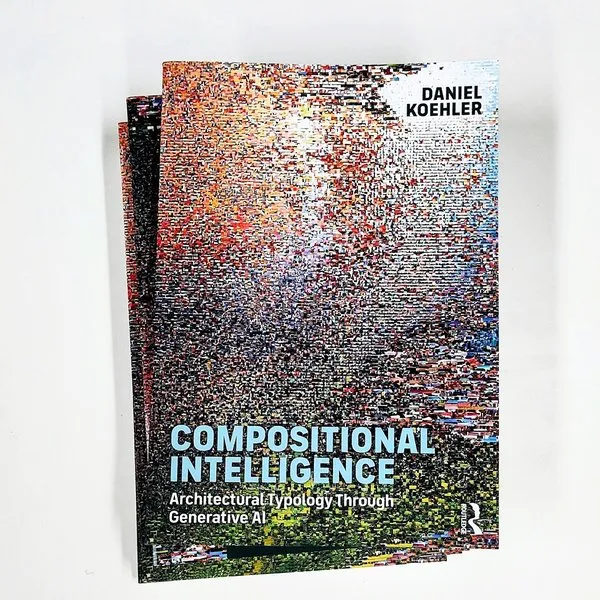
Synthetic Types
2022–2026From predicted matter to built type, by making. Materials predicted by AI are filtered for architecture, made in ordinary workshops with kilns, molds, and the sun, and followed to the tectonic dispositions and building types they afford.
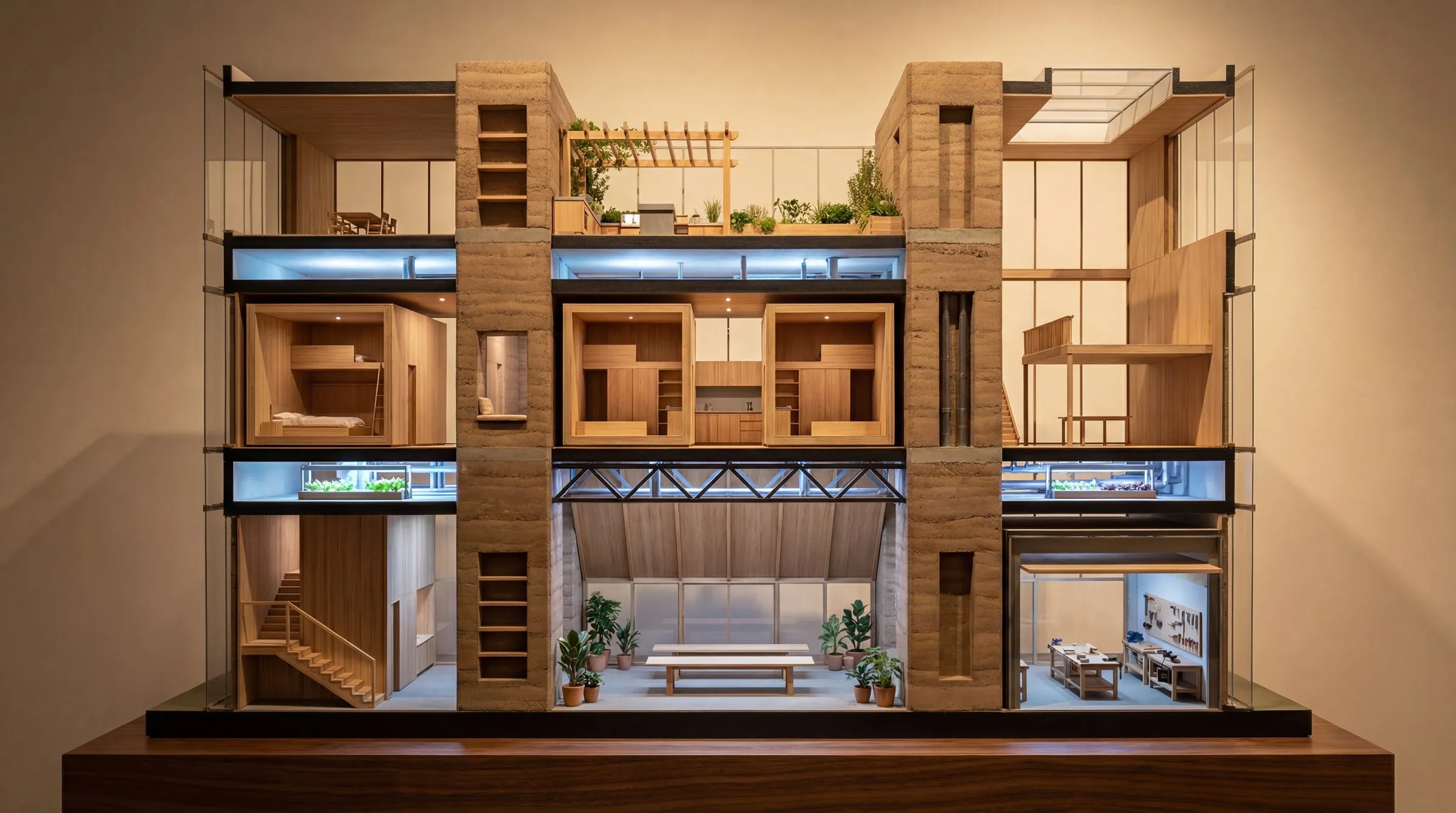
Every technological epoch has induced its building types. The elevator gave the tower, the car gave the mall, and an epoch whose materials are predicted before they exist will give types that have no names yet. This program builds the chain that gets there, and it builds it by hand: a predicted compound is filtered for architecture, given a synthesis route, weighed, mixed, fired or cured in the sun, read for the disposition it affords, and only then followed to a type. What the program refuses is plausibility as a stopping point. A material either forms, or it does not; a type either carries its loads, its carbon, and its uses, or it is an image.
Research in the making
The program advances as a series of experiments, each with a date, a workshop, and a result.
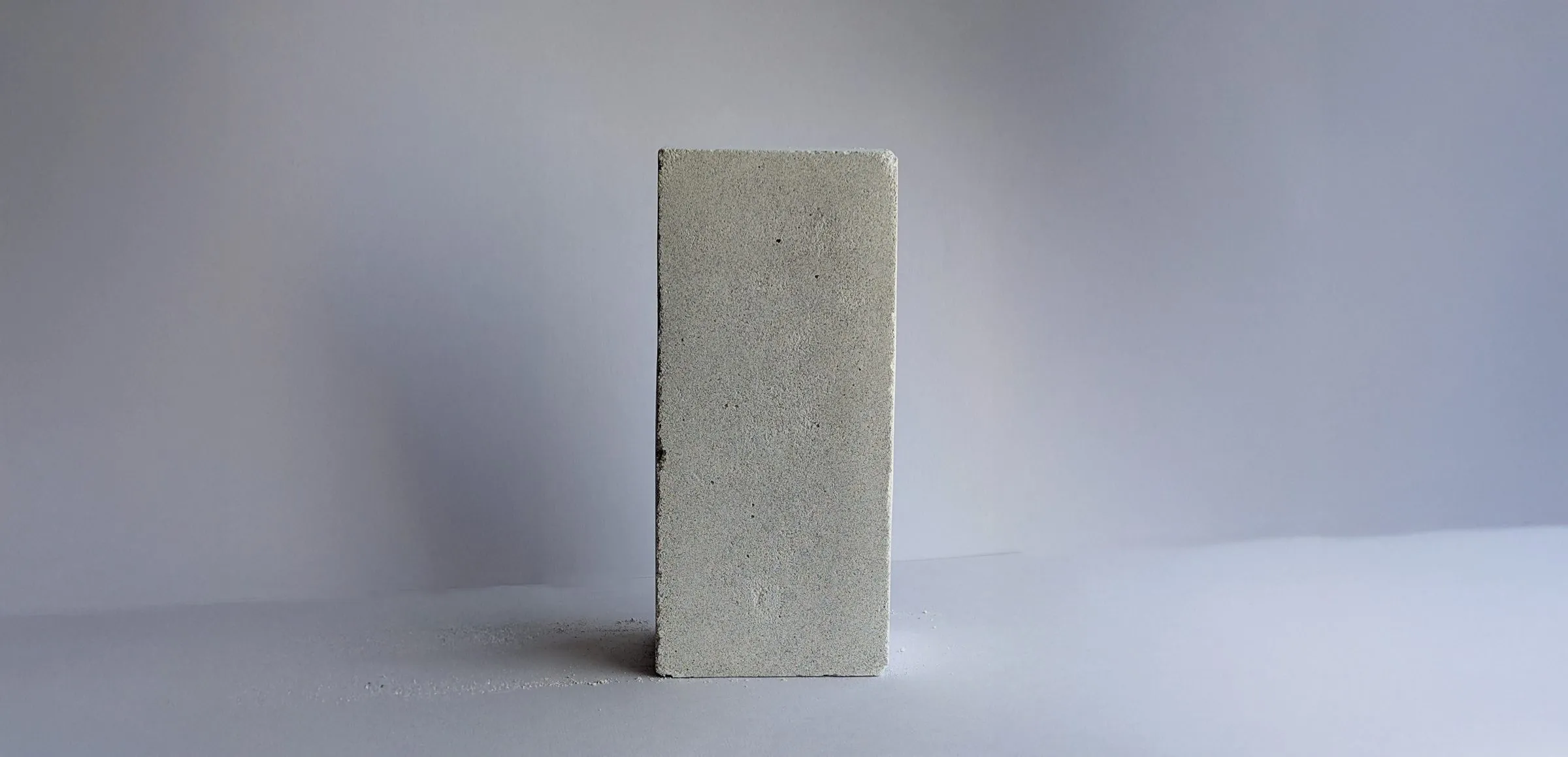
- Austin, 2024 to 2025: the first brick. The Generative Matter pipeline, developed with Catherine Graubart, filtered DeepMind’s 380,000 predicted compounds to 13,638 building-material candidates and wrote a workshop recipe for each. The first composition to be made, a calcium silicate, was mixed with a kitchen scale and a mortar, cast in silicone molds, fired at 800 °C in a benchtop kiln, and, in the batch that mattered most, simply dried in the sun. The sun-dried brick held: the pipeline’s proof of concept cost no energy at all. ACADIA 2025 Vanguard Paper Award.
- The database, 2026. Generative Matter V3 released the candidates with a DOI, so that the filtering can be repeated against the next prediction; the materials browser on this site shows two hundred of them ranked by architectural potential, thirty of which form without a kiln, at hotplate temperatures of 130 °C.
- Stuttgart, summer 2026: the kiln. At the Academy of Fine Arts Stuttgart the studio Synthetische Typen / Modelling Models took the recipes into the academy’s workshops. A shortlist of six compositions, three silicates from a plain cast glass to a high-index glass, a ferroelectric perovskite, and two calcium silicates that invite comparison with cement, was prepared with 100-gram recipes, firing curves, and safety checks; a seventh, an iron-potash oxide, was chosen for kiln-casting in the open 900 °C kiln. Each first firing was treated as what it is, an experiment, and documented as one.
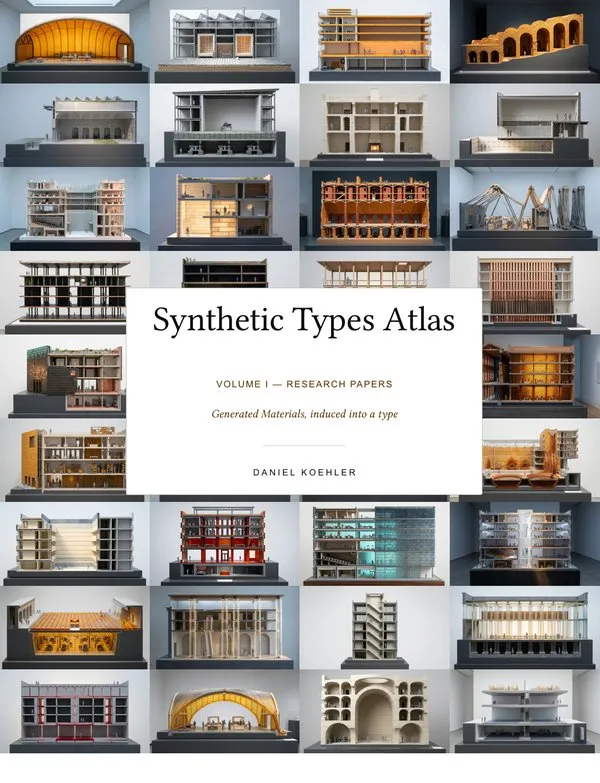
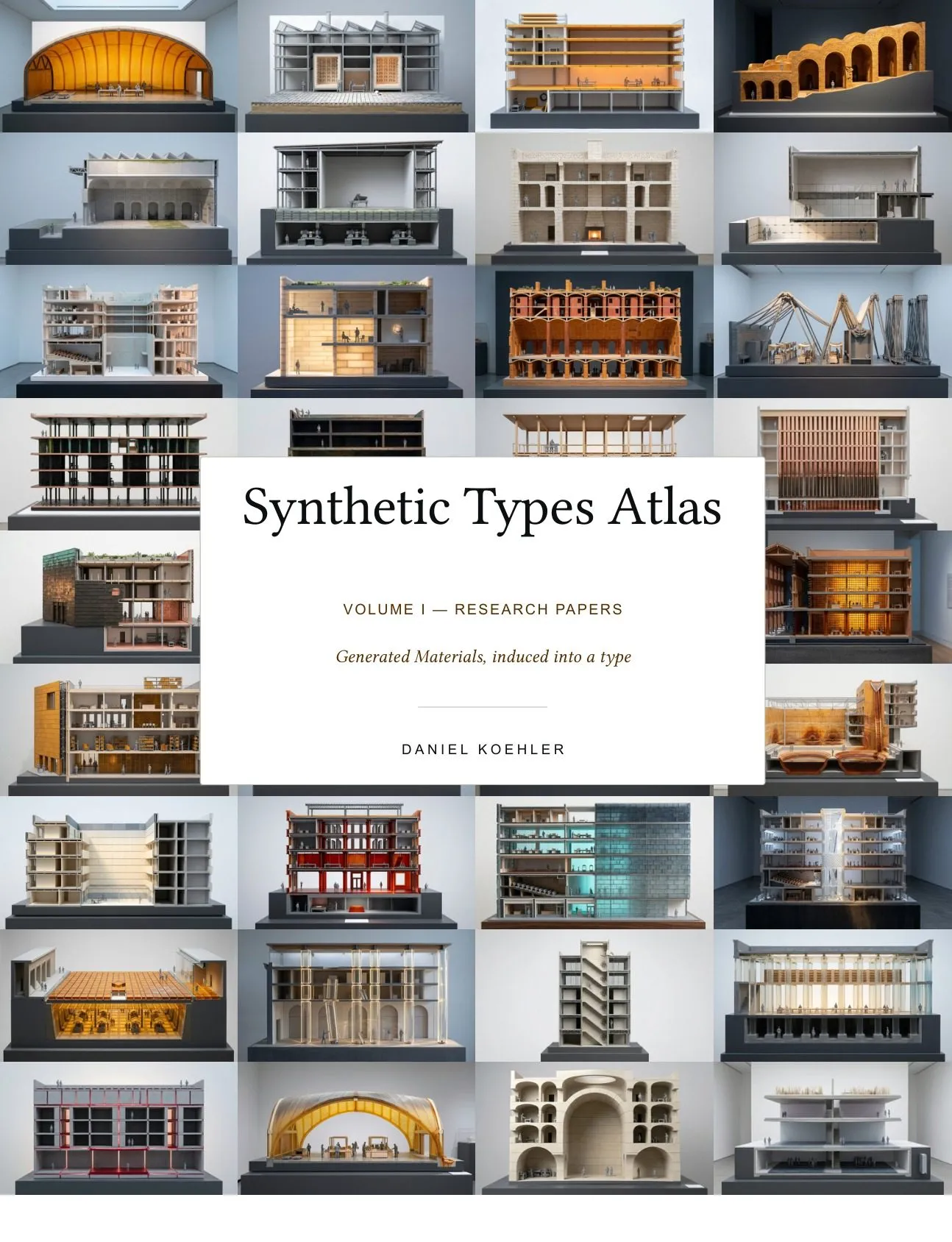
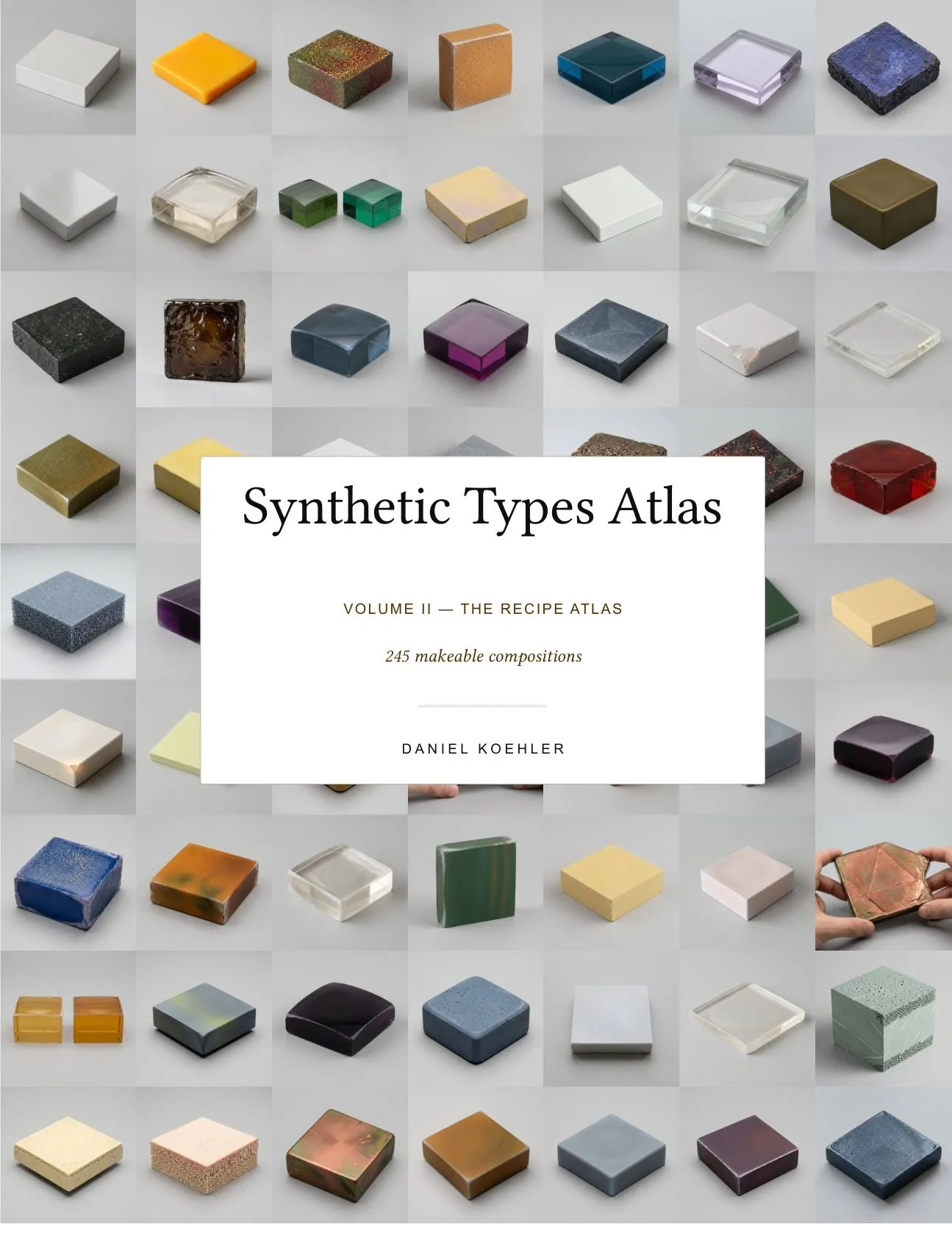
- The atlas, 2026: from material to type. Vol. I follows thirty-six materials from synthesis to the building type each affords, researched and adversarially fact-checked by a multi-agent pipeline; Vol. II, the Recipe Atlas, gives 245 makeable compositions with recipes for common workshops. The building types of Vol. I are the program’s next entries: design studies, one type per material, to be added as they are drawn and built.
The chain is only as good as its weakest link, and the weakest link is always the kiln. That is why the program keeps the model answerable to it.
Gallery
5 plates · click to enlarge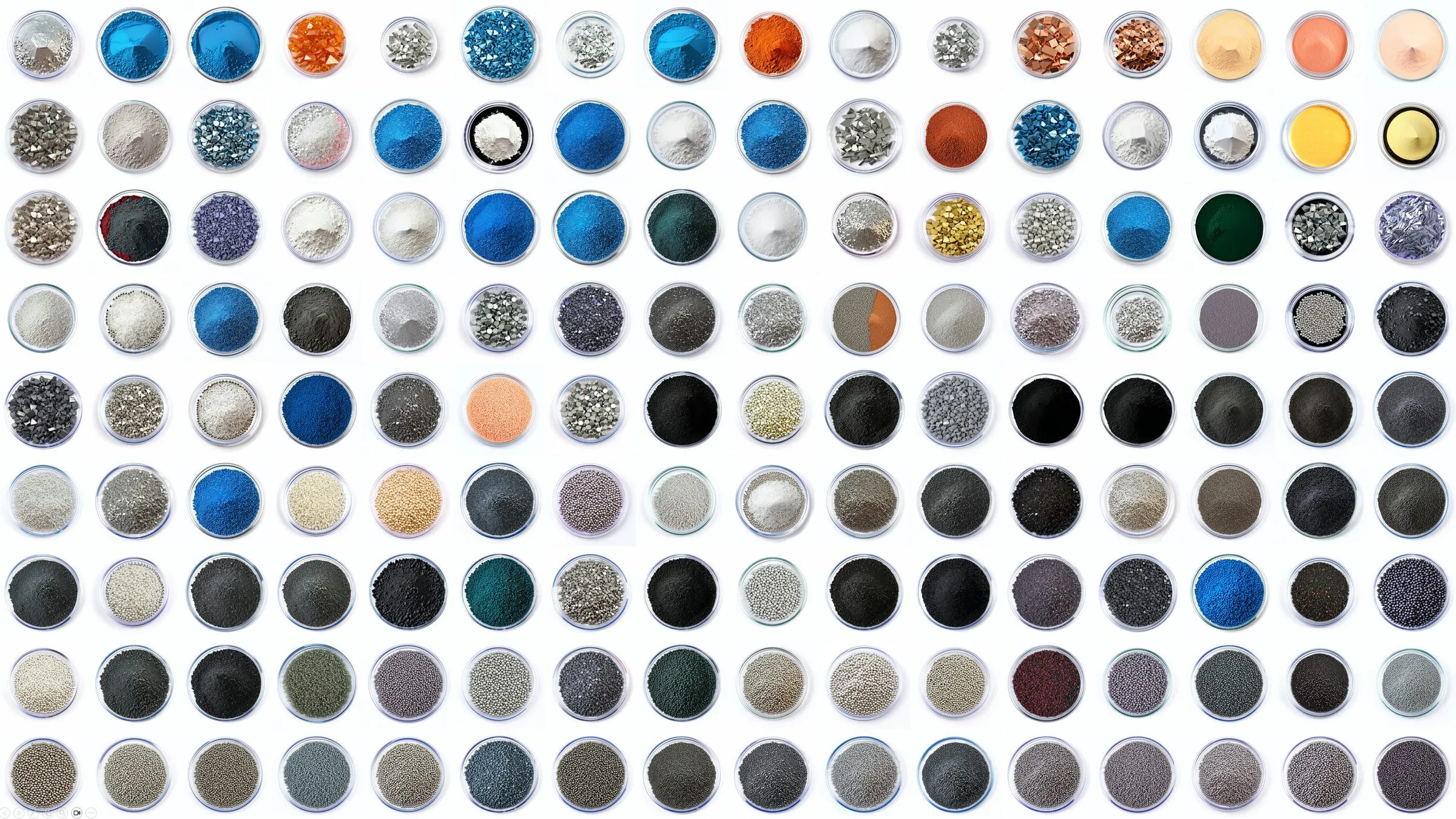
Step 1 filtering, visualizing and understanding generated materials 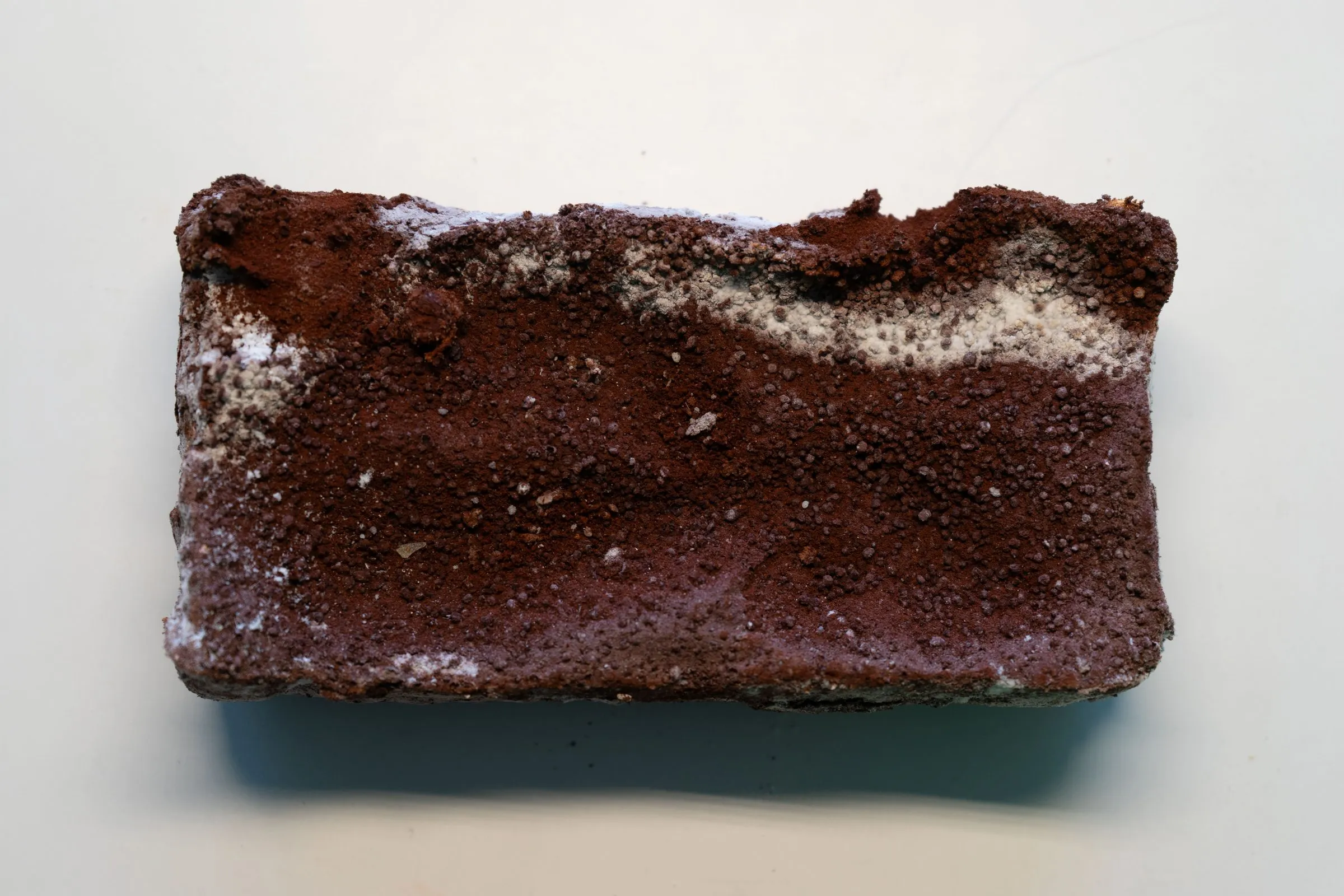
Step2 baking and testing generated materials 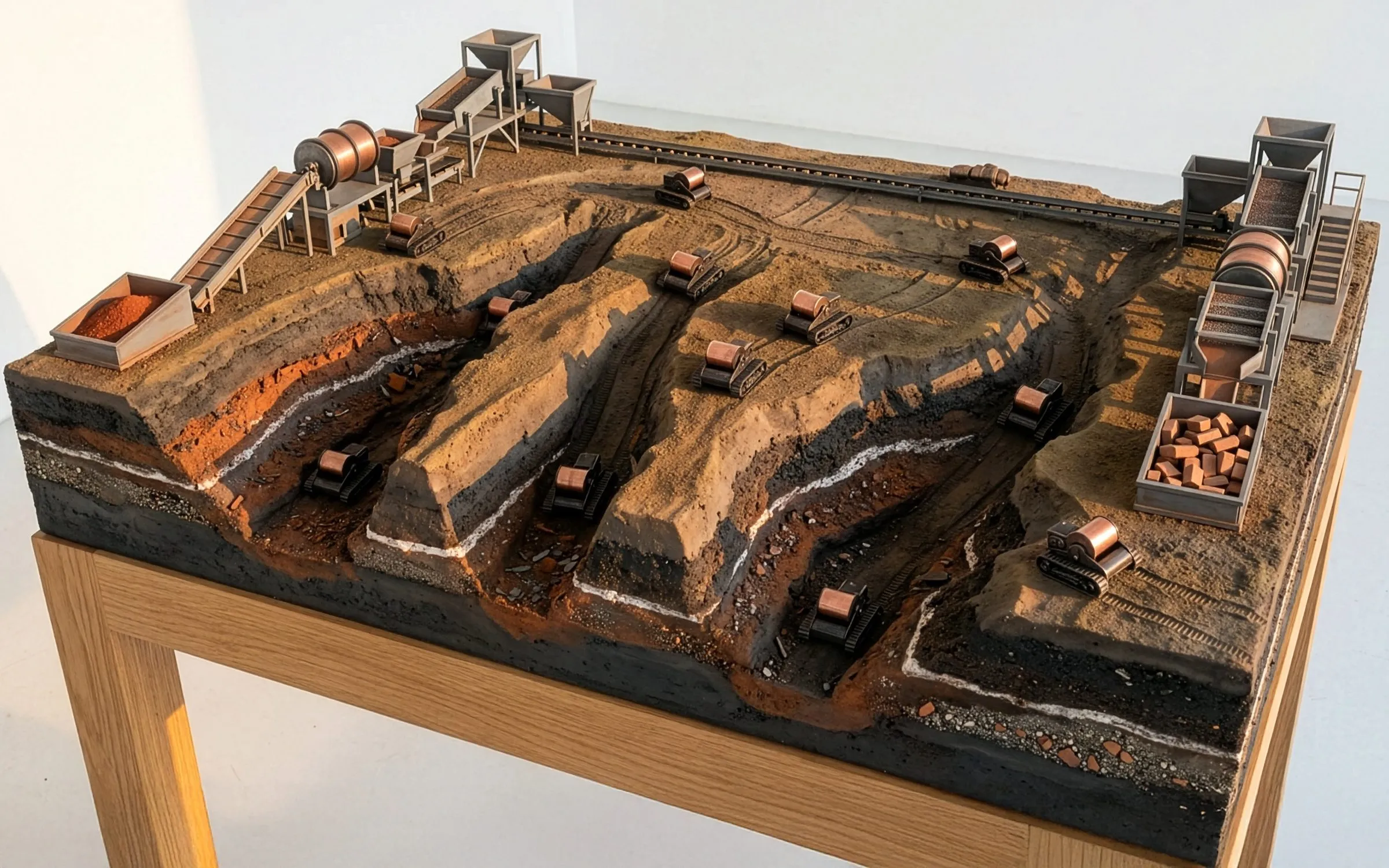
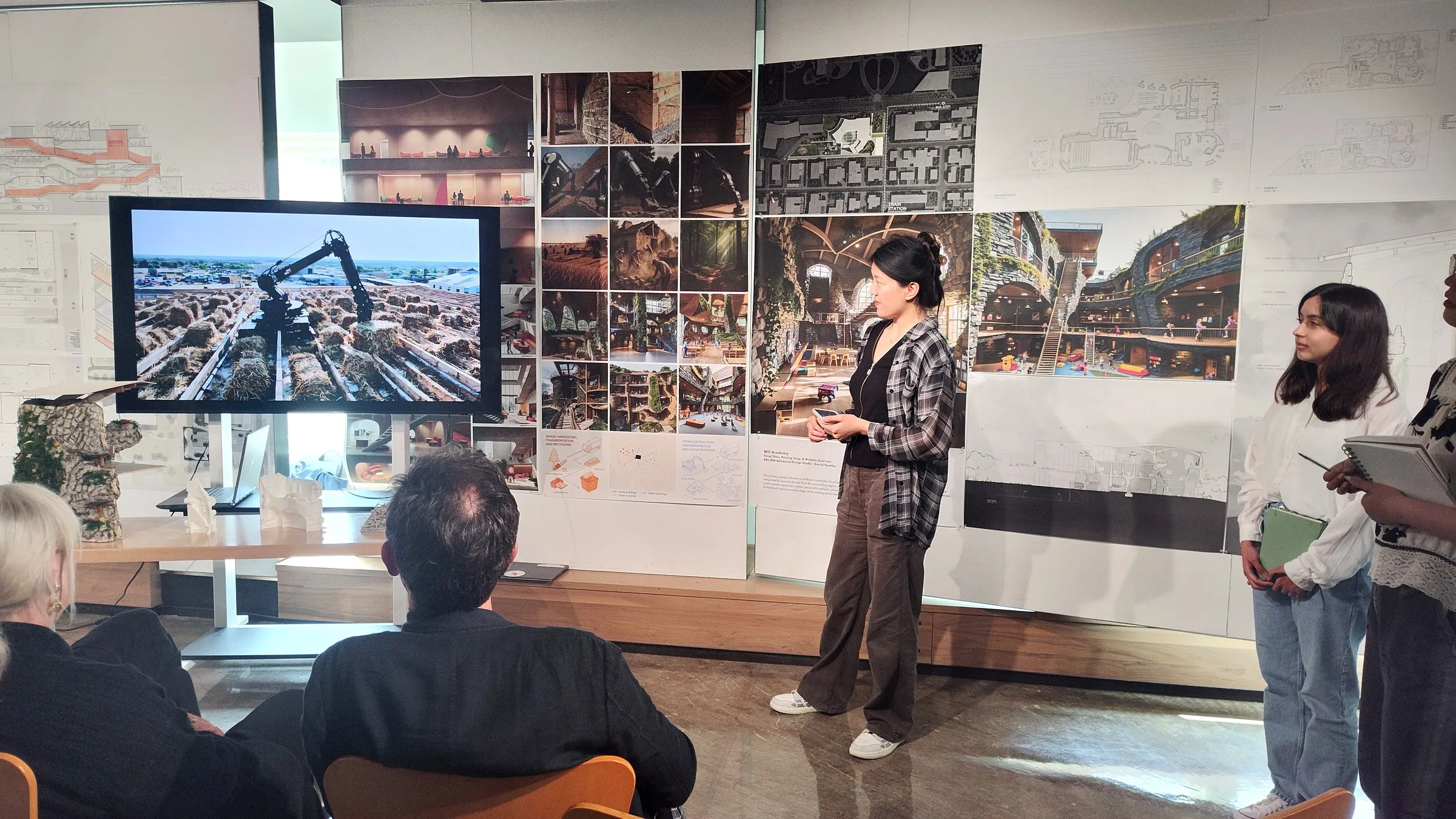
Step 3 designing the material chain from sourcing to fabrication 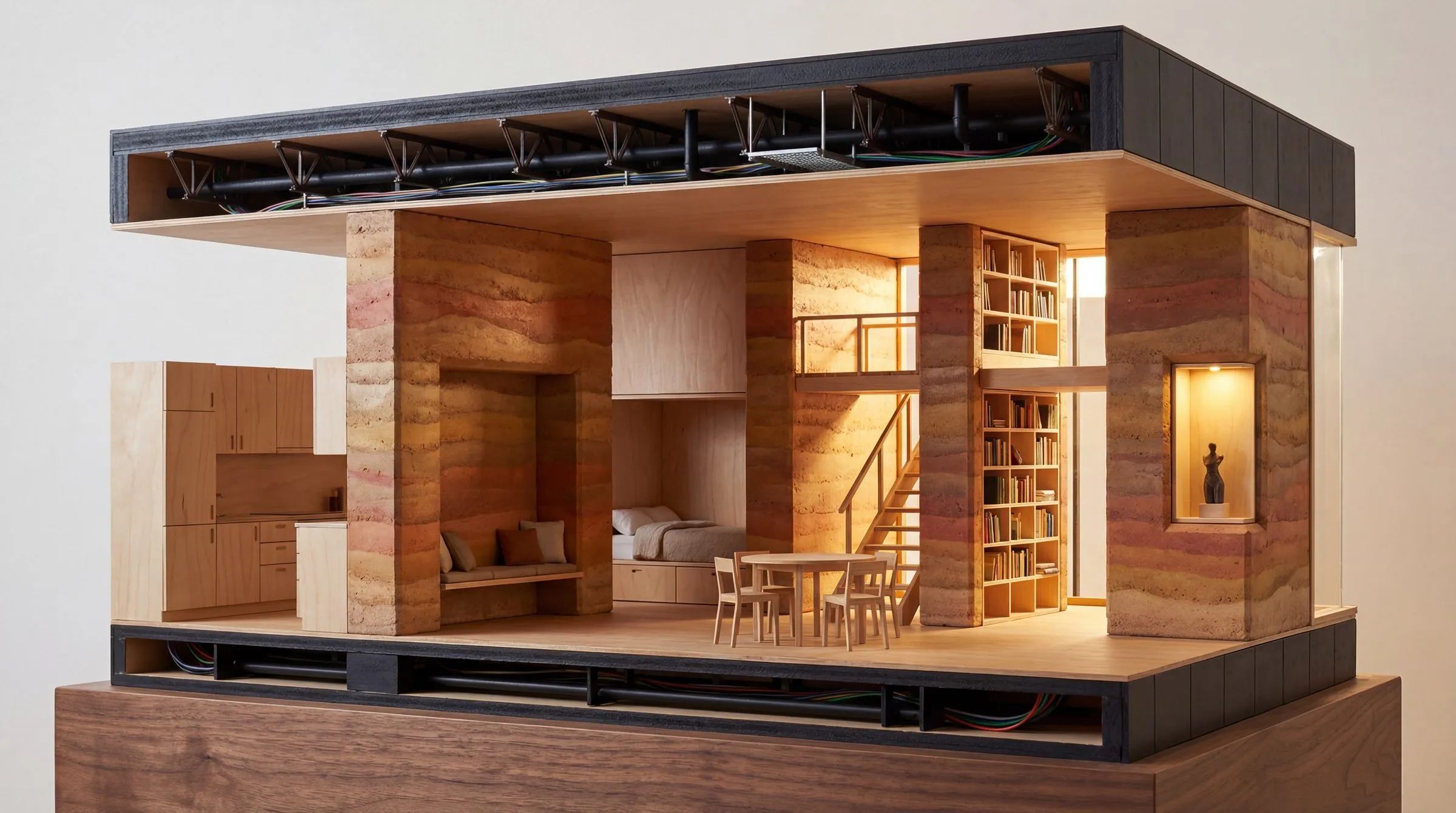
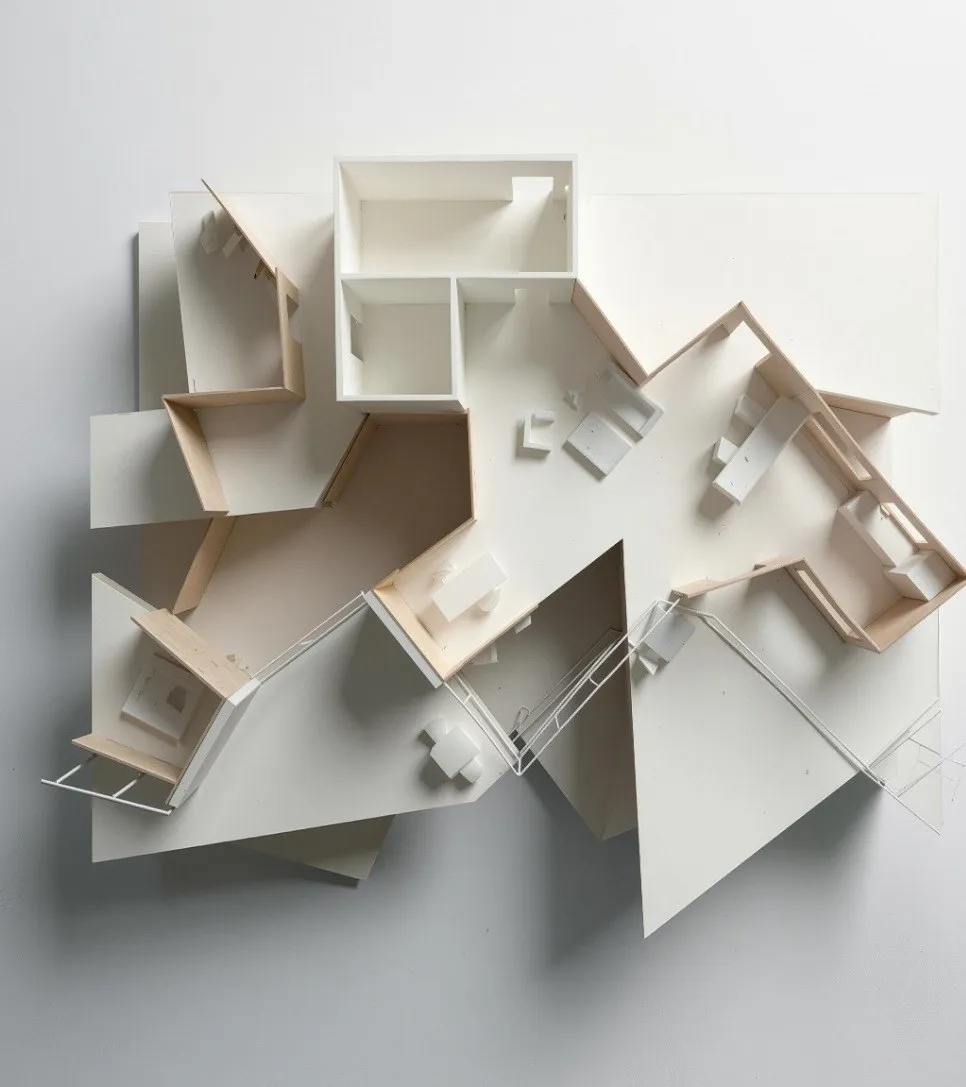
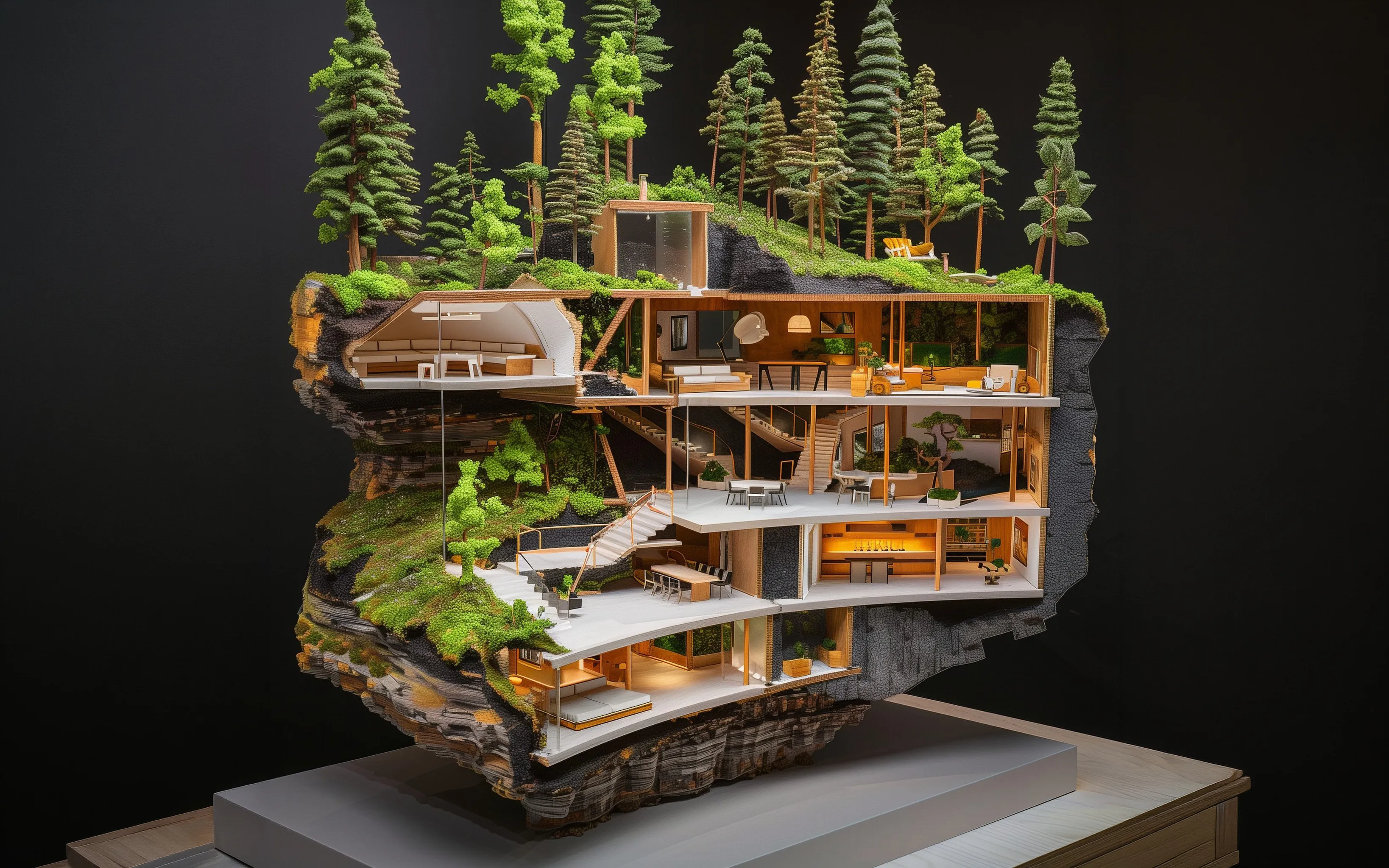
Step 4 designing latent tectonics and spaces giesshof section model 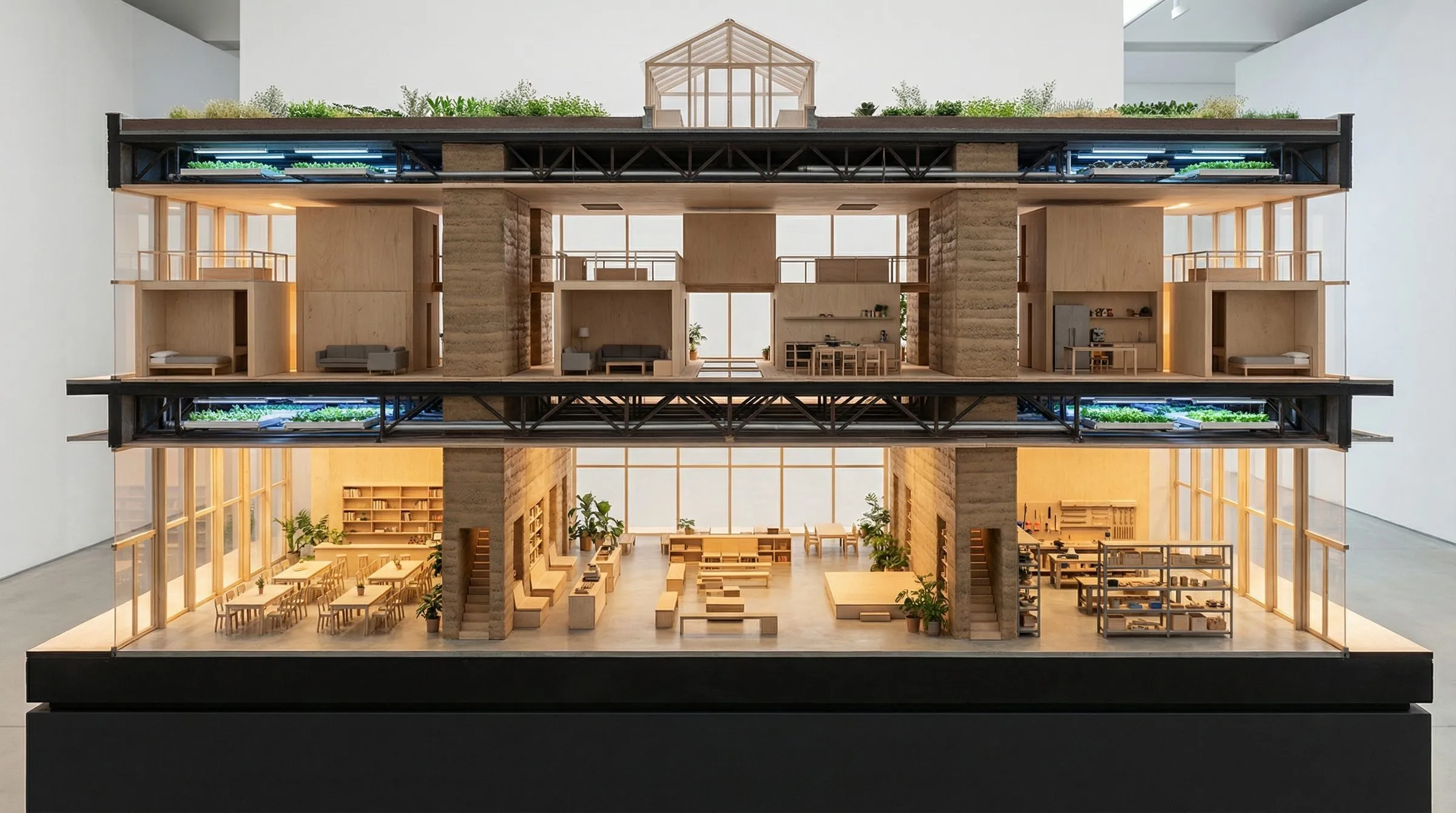
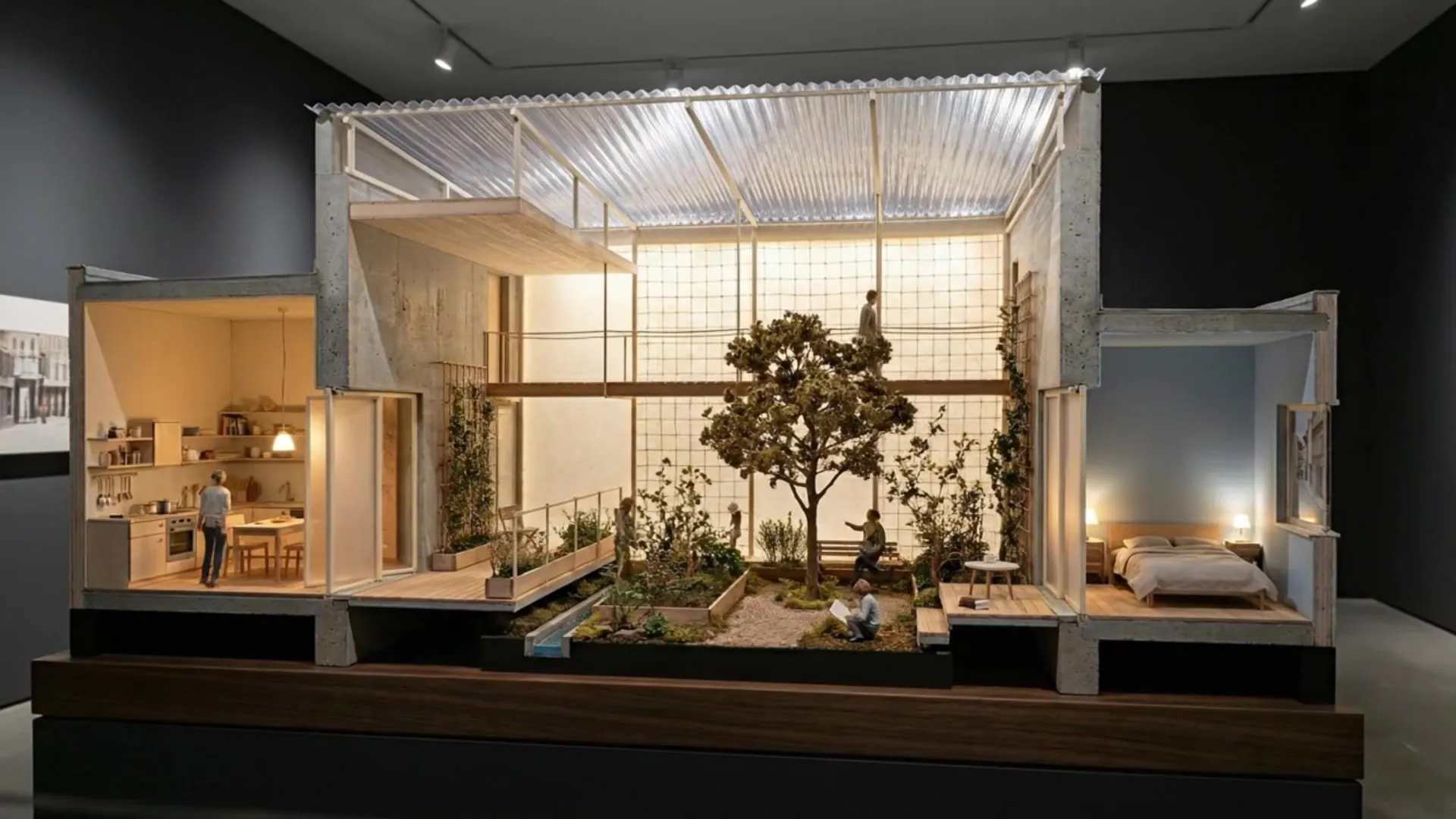
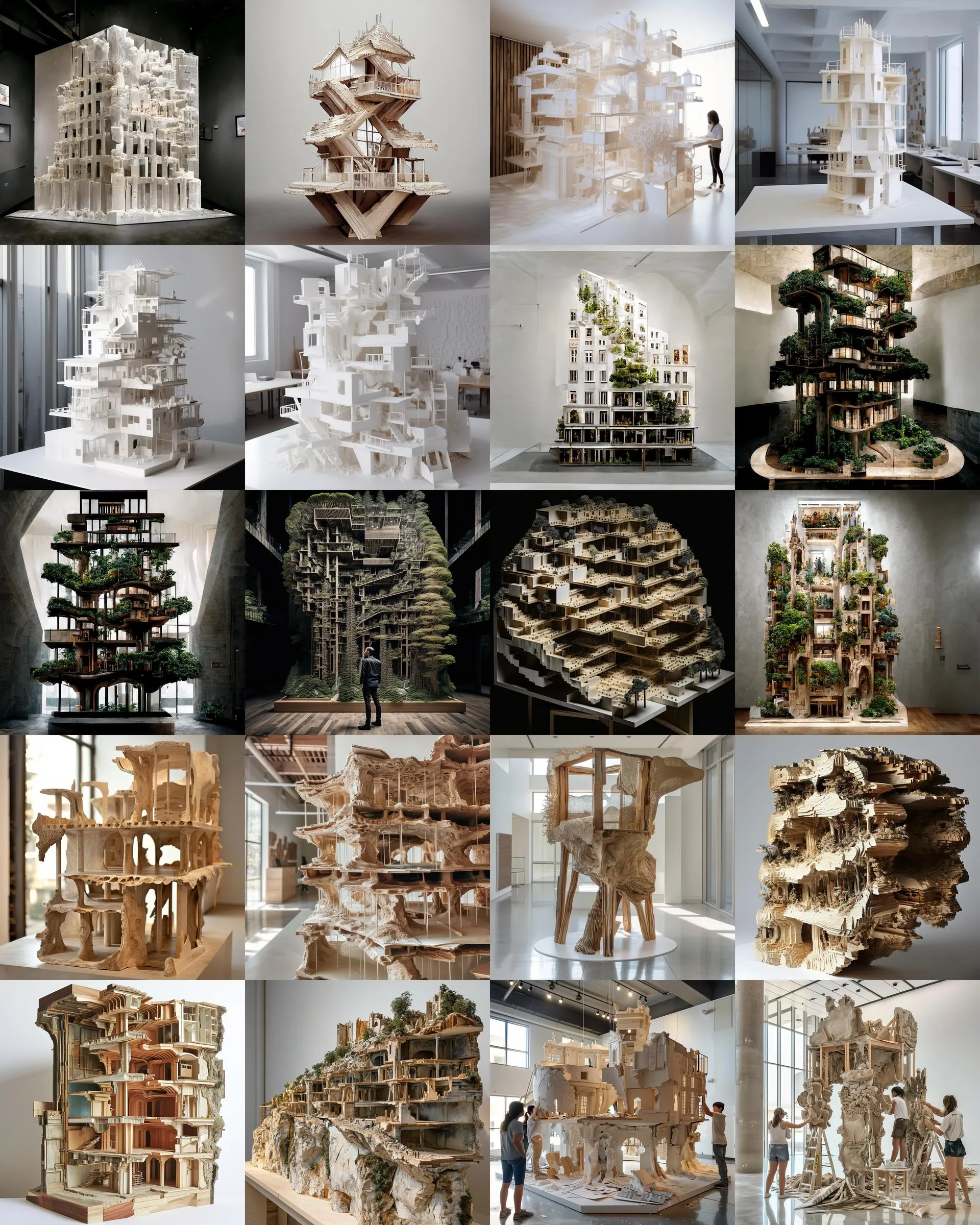
Step 5 projecting building types project giesserei
Work
8 entries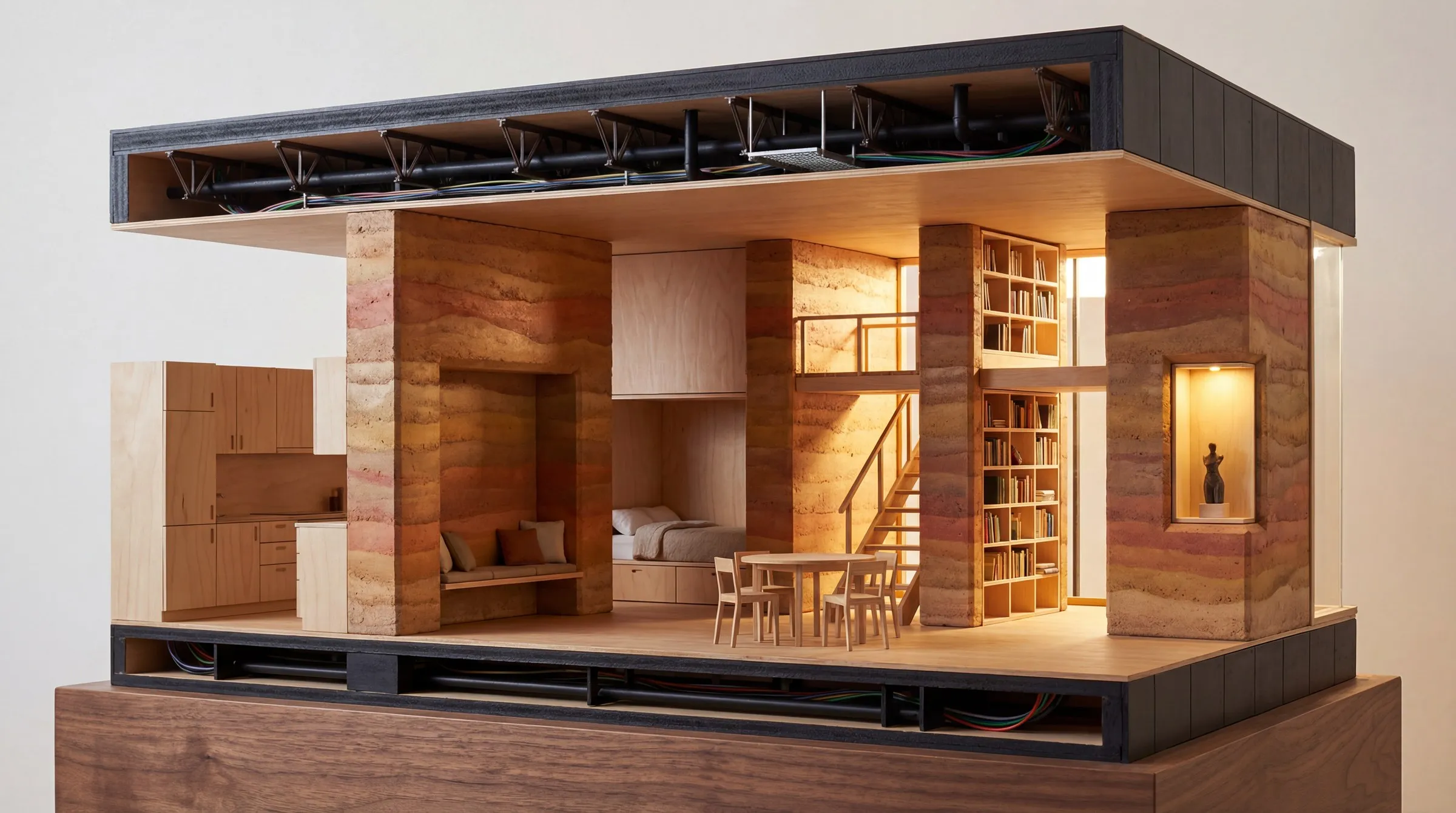
Teaching
3 studios