Daniel Koehler
Grounding artificial intelligence in the built world: from predicted matter to synthesized materials, verified atlases, and buildable types.
- role
- Assistant Professor of Architecture
- institution
- The University of Texas at Austin, School of Architecture
- daniel.koehler@lab-eds.org
- orcid
- orcid.org/0000-0002-7499-7734
- google scholar
- scholar.google.com/citations?user=433bo80AAAAJ
- hugging face
- huggingface.co/Punktiert
- github
- github.com/punktiert
- academia
- utexas.academia.edu/DanielKoehler
- linkedin.com/in/danielkoehler1
- instagram.com/punktiert
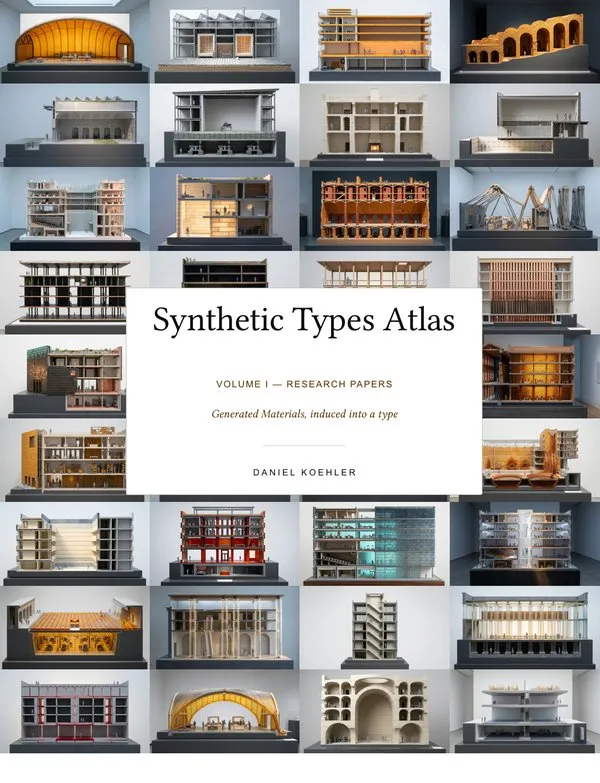
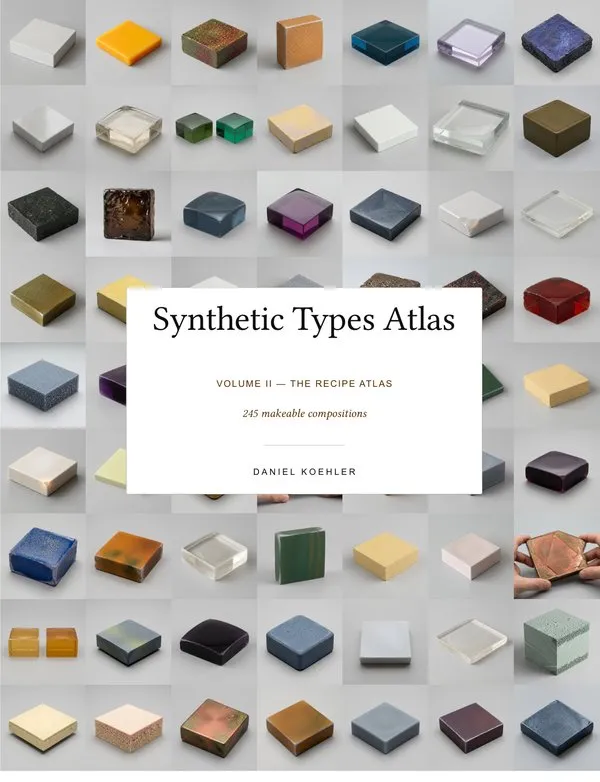
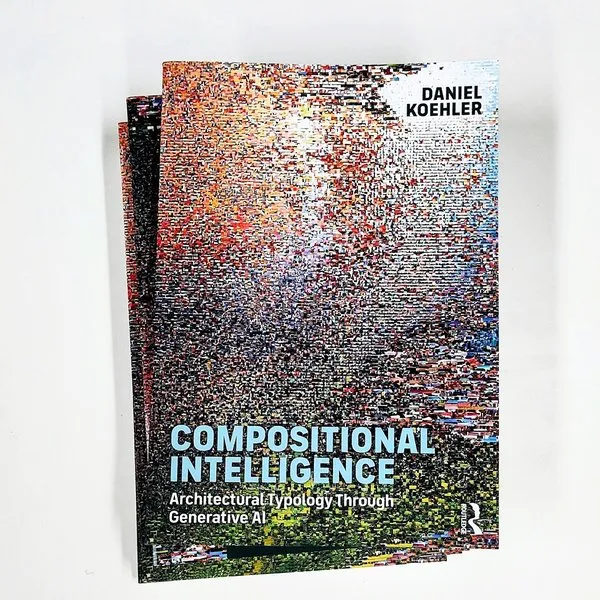
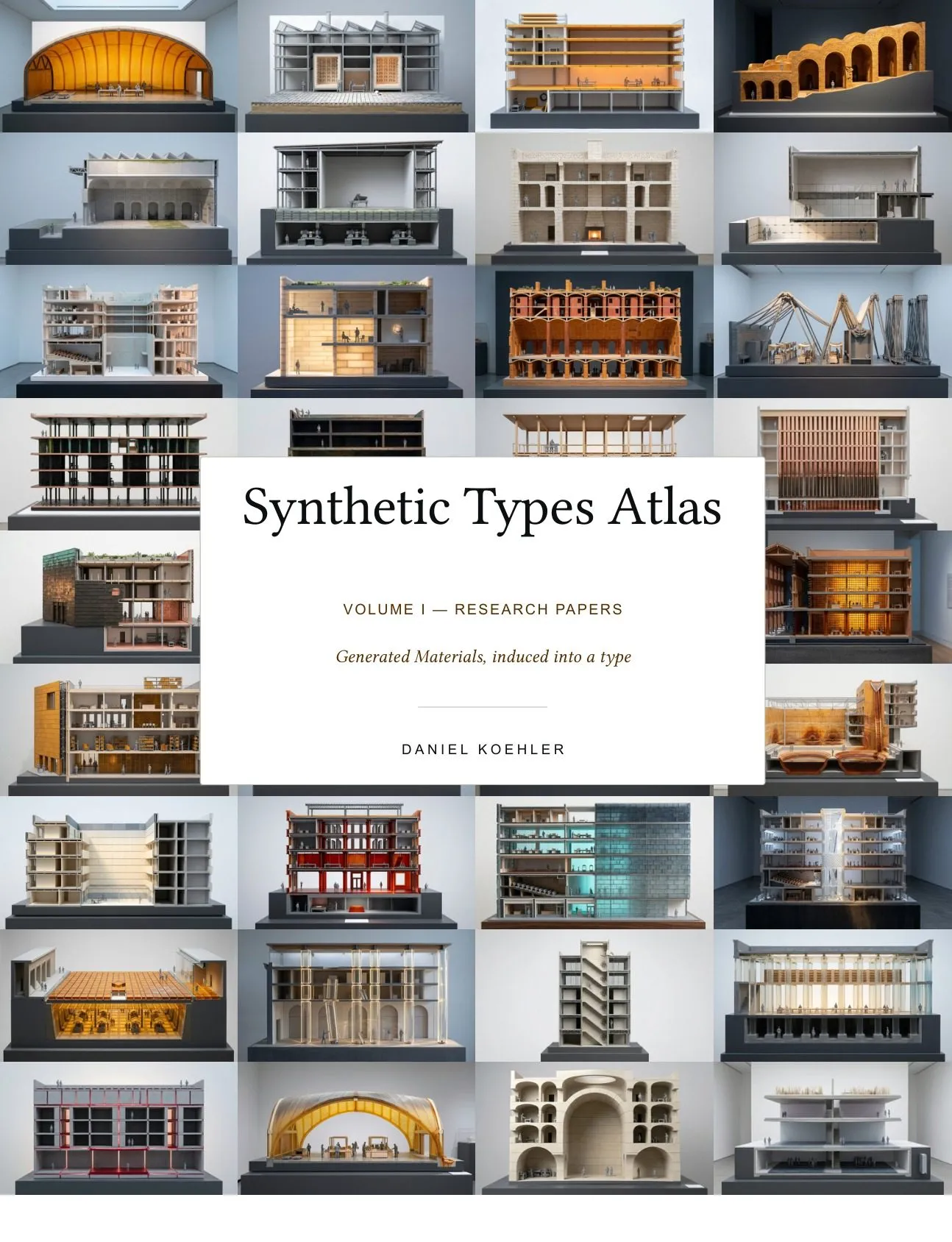
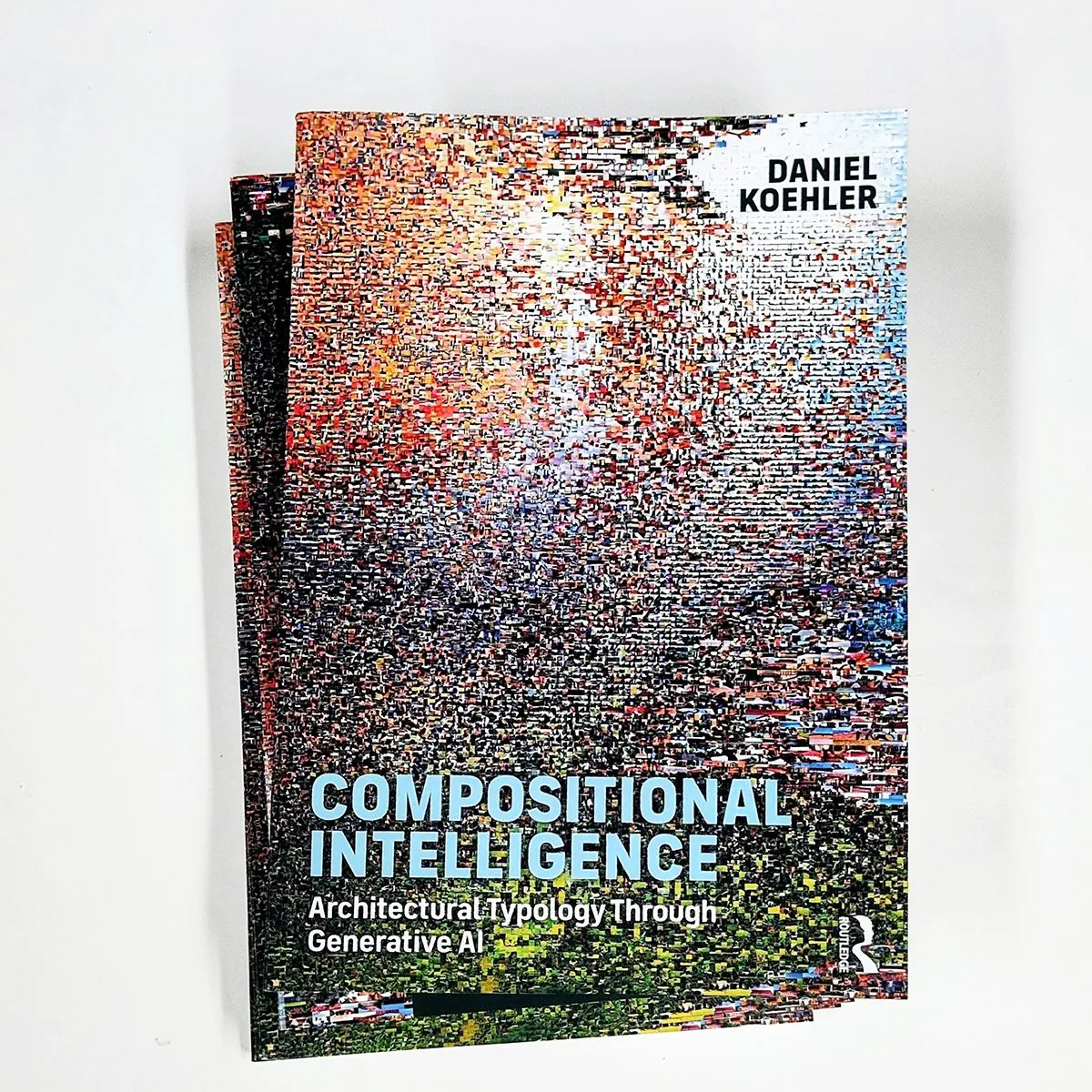
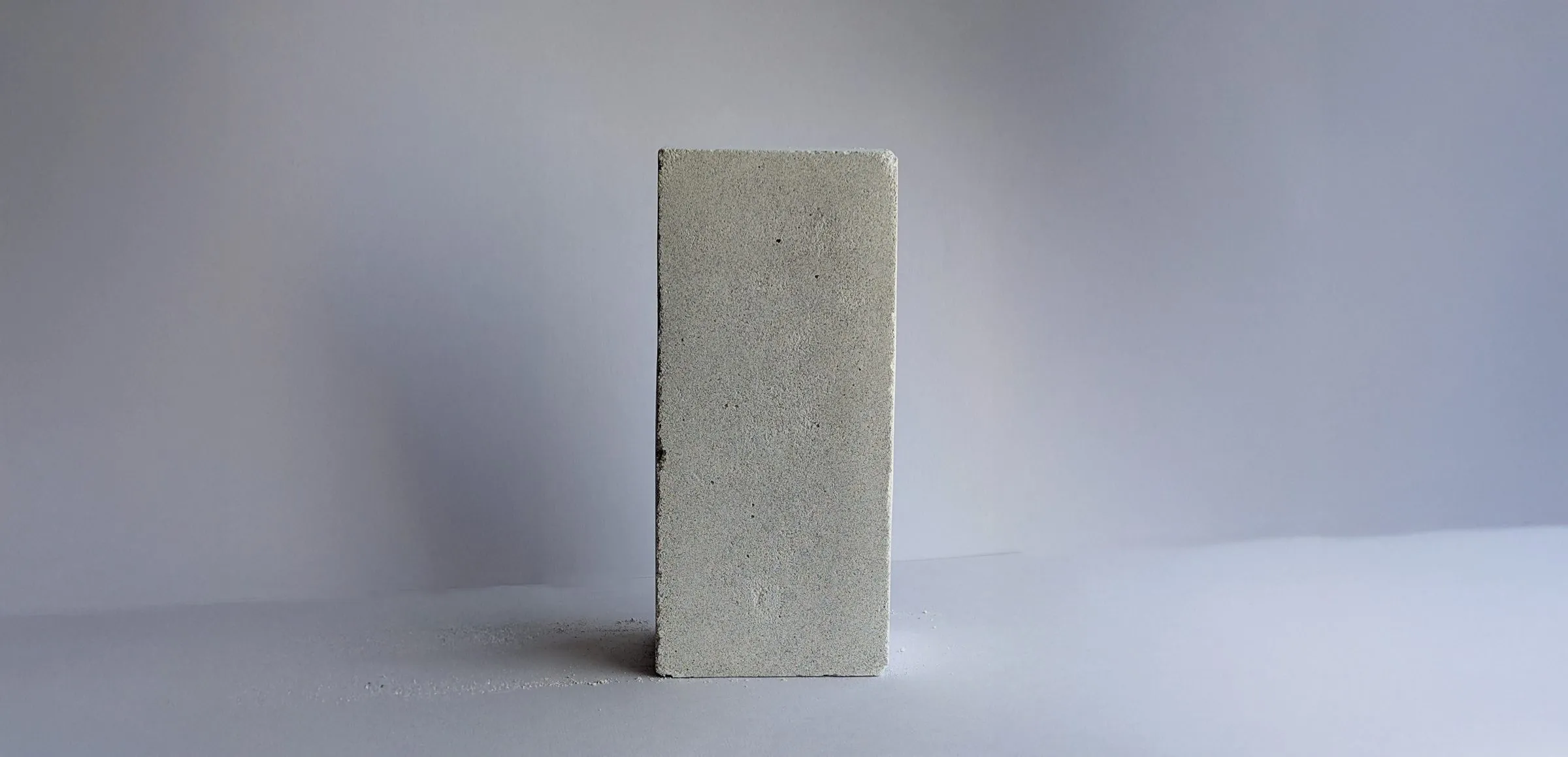
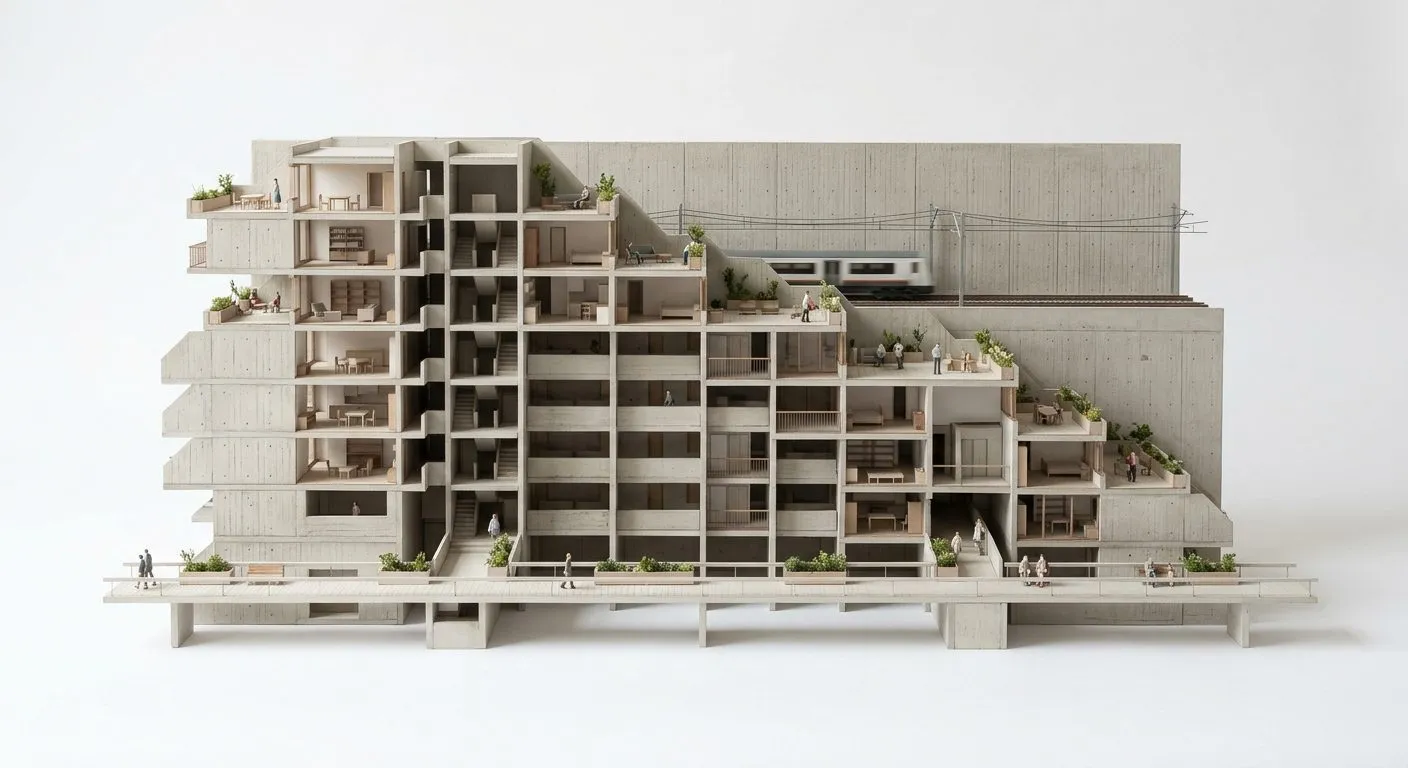
I am an architect who works on one question: how new technology becomes buildable. In the last three years that question has produced a Routledge monograph on generative AI and typology, design projects on Synthetic Building Types, and an atlas commissioned by the Deutsches Architekturmuseum for its own, the ACADIA 2025 Vanguard Paper Award for AI-guided materials discovery, and, most importantly, building materials that did not exist before, made physically with students from compounds an AI had predicted.
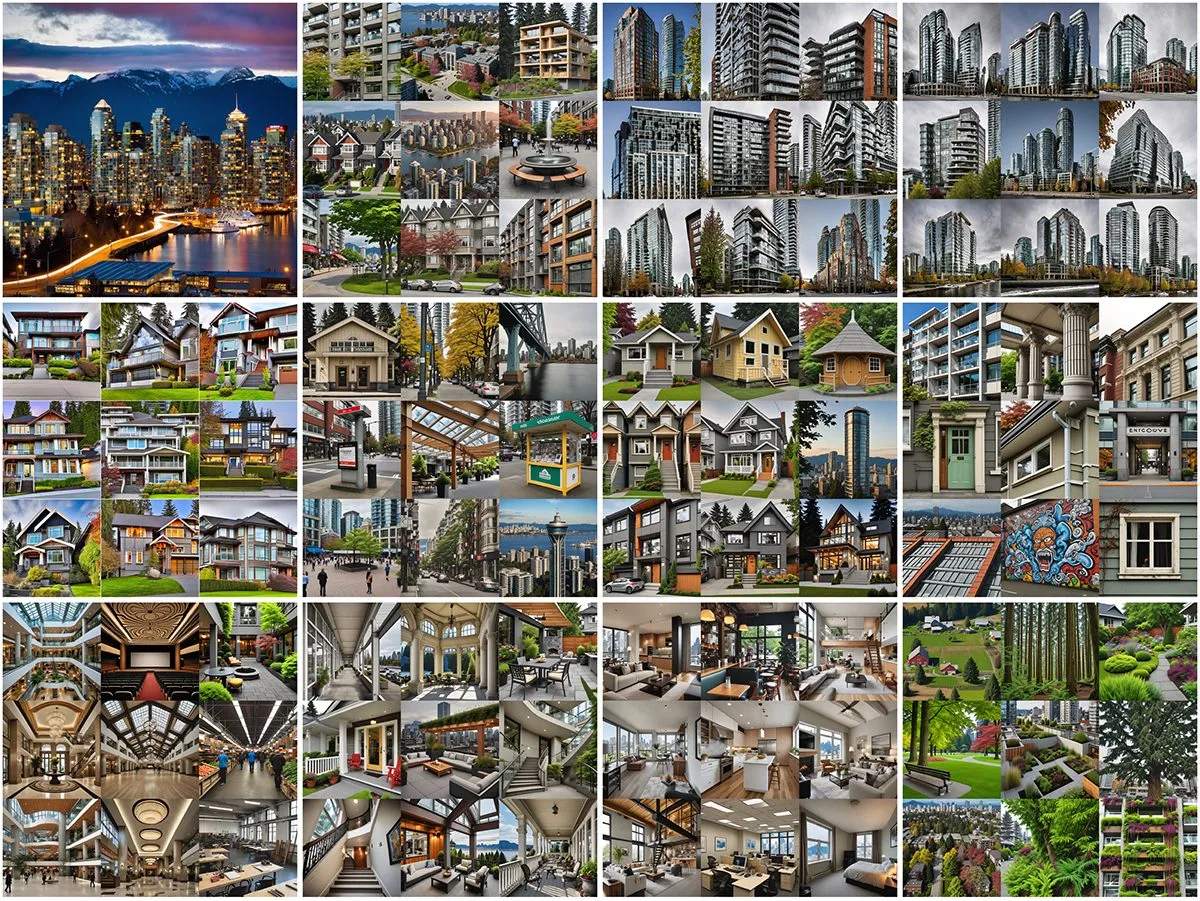
What connects these outcomes is a method I call reciprocal grounding: making computational models answerable to the physical world, and the physical world legible to computation, at every scale from crystal structure to city. The research runs in two directions. One measures what models know of the built world: datasets of a million generated images, an atlas of 40,000 places, and the bias analyses that show where a model regresses to a plausible mean. The other designs what models make of it: new building types induced from new materials, developed in atlases that a multi-agent pipeline researches, writes, and adversarially fact-checks.
I teach the way I research. For six years I carried a required lecture course for every fourth-year student at UT Austin and rebuilt it around the technologies my research uses; in Stuttgart I taught fabrication in its most elemental form, students synthesizing predicted compounds with kilns, molds, and the sun. Before academia I spent a decade in practice, including a 30,000 m² timber complex in Nanjing as project architect. Since 2023 I have also served as Chief Scientist of Sengine.ai and, since 2025, as co-founder of LotLens.
Selected work
40 entries
Appointments
11 items- Assistant Professor of Architecture2019–
- Guest Professor, Class for Innovative Architecture and Spatial Design2026
- Chief Scientist2023–
- Co-founder2025–
- Teaching Fellow, Research Clusters 8 and 17, B-Pro2016–2019
- Postdoctoral Research Associate, Institute of Urban Design2016–2019
- University Lecturer2016–2017
- Assistant Professor, Institute of Urban Design2011–2016
- Adjunct Professor, Department of Architecture2011–2016
- Co-founder, lab-eds2010–
- Project Architect2008–2011
Education
3 items- Dr. techn. with distinction, Institute of Urban Design2015
- Mag. arch. with distinction, Studio Zaha Hadid2008
- BA Architecture2004
Collections and awards
7 items- The City as a Generated Building Atlas, commissioned for the permanent collection; wall in preparation2026
- Vanguard Paper Award, with Catherine Graubart2025
- US patent pending: generative AI method and system for end-to-end fabrication2024
- Metaverse Architecture and Design Award, category AI-generated design (Foresting Architecture)2023
- WanderYards, permanent collection (MNAM-CCI, inv. AM 2018-2-152)2018
- UCL Gold and Silver Medals in Urban Design, student teams tutored with Rasa Navasaityte2018, 2019
- Outstanding Artist Award, Experimental Tendencies in Architecture, with Rasa Navasaityte (Choreograments)2012
Teaching
8 items- City Architecture, required lecture course for all fourth-year students, six years, three teaching assistants, annually updated reader2020–2026
- Architecture Computation, graduate seminar2023–2026
- Advanced design studios: The Paperclip (2020, 2021), Architectural Interfaces with Casey Rehm (2022), Foresting Architecture (2023), Deep Eddy Play (2024), Meta-Learning (2025), Synthetic Grounds: East Campus Austin (2026)2020–2026
- Core studios: Design III, the combinatorial art of co-living (2020); Design V, Carbon Hinterlands (2023); Design V, Inductive Sampling (2025)2020–2025
- Synthetic Types / Modelling Models: studio and materials-synthesis workshops2026
- Research Clusters 8 and 17, Large City Architecture; coordinator of the theory module (six tutors, 96 students)2016–2019
- Orientation: basic design principles (52 first-year students, 2011); The City as an Element of Architecture (128 students, 2018); design studios and thesis supervision2011–2019
- Supervision: one doctoral thesis, 17 master's design theses at UT Austin, 36 master's theses at the Bartlett, 36 bachelor's theses at Innsbruck2013–2026
Service
9 items- Scientific Officer, Board of Directors2026
- Member of the Board of Directors, elected 20232024–2025
- Chair of the Scientific Committee; chair of the CAAD PhD Workshop2025–2026
- Editorial Board2023–2026
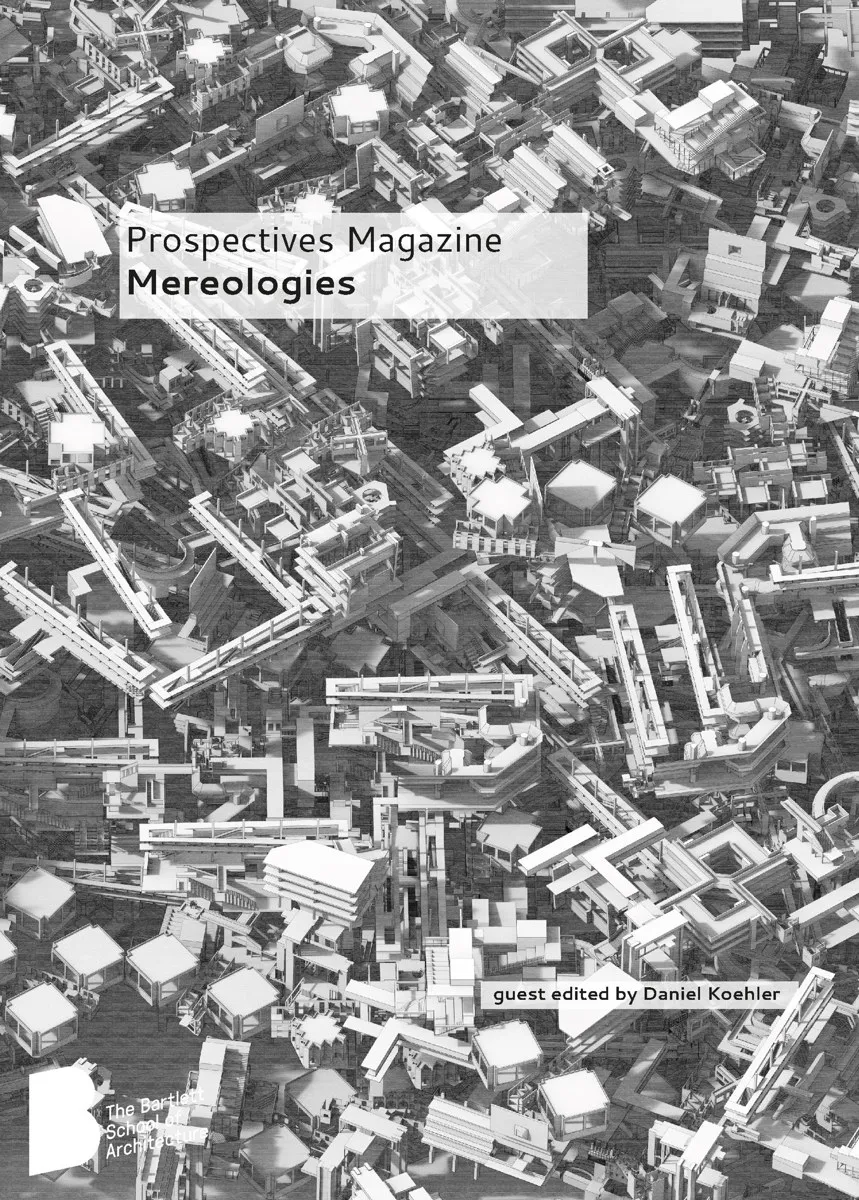
- Co-editor, Rebalance & Reciprocity: Emergent Topics in Architectural Computing2026
- Guest editor, Embodied Intelligence in Architecture: Computational Methods, Phygital Materiality, and Human–Robot Collaboration, special issue in preparation2026
- Co-curator, Architecture after AI I and II2023–2025
- Chair, AI in Architecture Committee2023
- Reviewer for the Swiss National Science Foundation, Routledge, Wiley, Springer Nature, ACADIA, eCAADe, CAAD Futures, IJAC, TAD, JAE2017–2026
Industry research
4 items- Chief Scientist: research direction from diffusion-based design generation to agentic workflows2023–
- Co-founder: parcel-level development feasibility from cadastre, machine-readable zoning and terrain2025–
- Architecture Cloud Simulation Research2020–2022
- Touching Slabs: human-scale building simulations in mixed reality2020