§ work · No. 044
Dark Spots
2025 · researchDaylight in the US residential housing stock
- year
- 2025
- type
- research
- status
- The analysis contributed to changes in Austin's building code, 2025
- credit
- Daniel Koehler, with the University Tenants Union, Austin. Building data extracted from OpenStreetMap and daylight metrics generated with GPT-4; plans drawn by the author.
- program
- Latent Earth
- where
- Austin
- no.
- 044
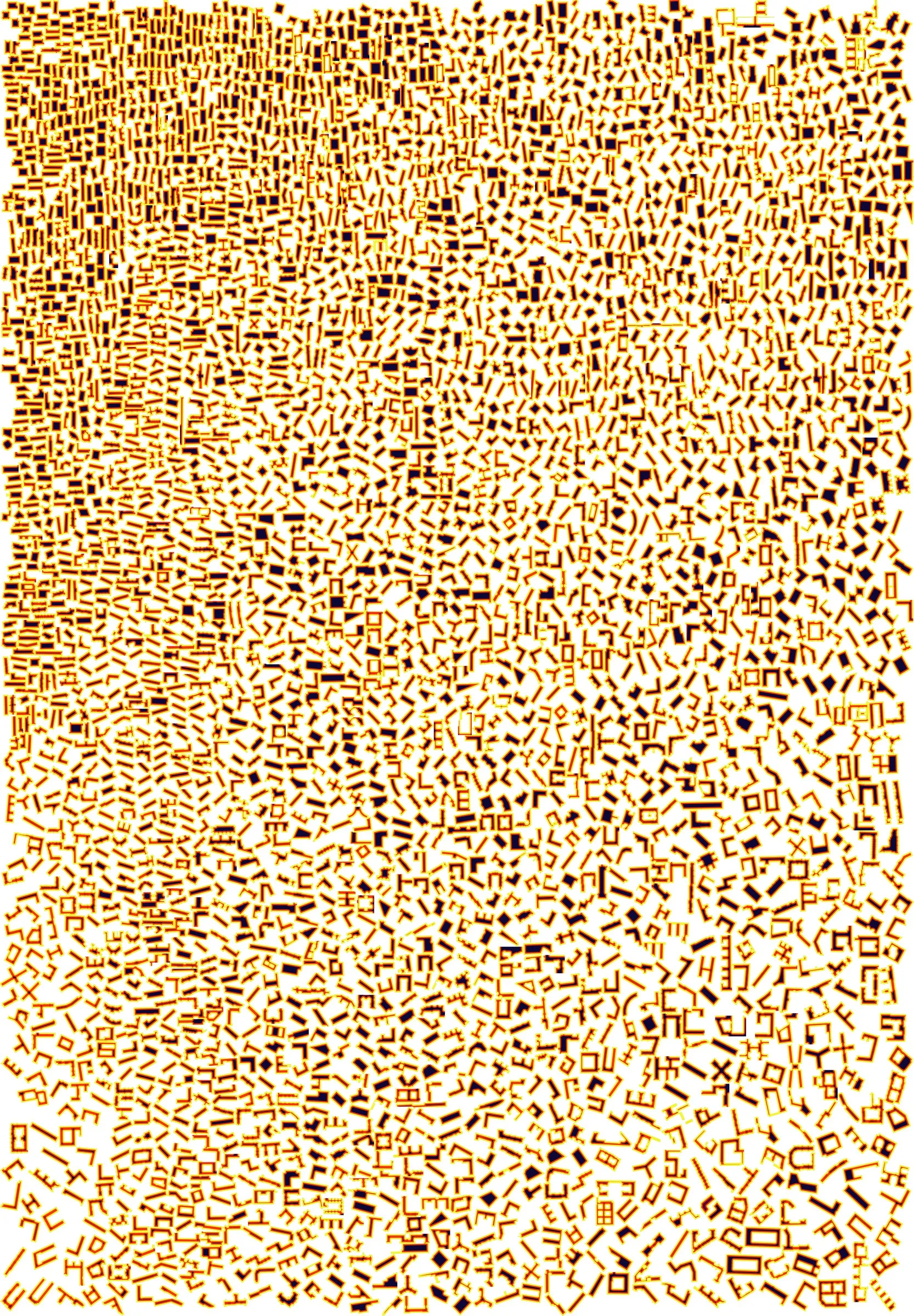
In early 2025 the University Tenants Union asked me to help identify windowless rooms in Austin and beyond. I used GPT-4 to extract building data from OpenStreetMap and to generate daylight metrics across the national housing stock, and I drew the West Campus plans that make the pattern legible: bedrooms with no exterior wall in buildings completed between 2018 and 2022 (Acadia Apartments, Moontower, Rio).
The union took the maps and the numbers to the city, and the analysis contributed to changes in Austin’s building code. For me the project is proof of a simple claim: generative models let an architect join a public argument with evidence in weeks, at the scale of a country.
adjoining sheets
Related
4 entries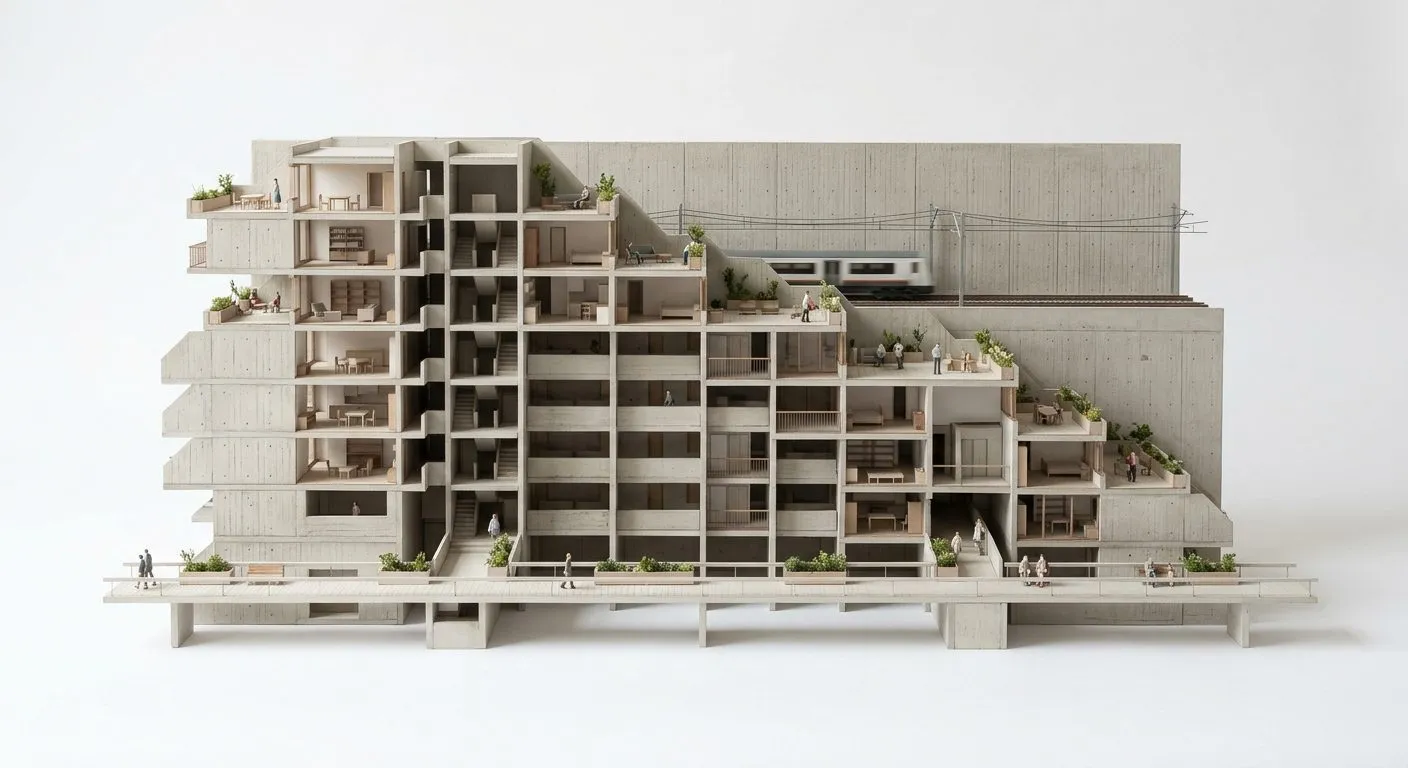
Daylight as Form
245 case studies of how architecture has shaped daylight in the dense city, from the Roman atrium to the winter garden, classified by formal family and culture of light and browsable as a slide library: the research catalogue of a UT Austin design studio.
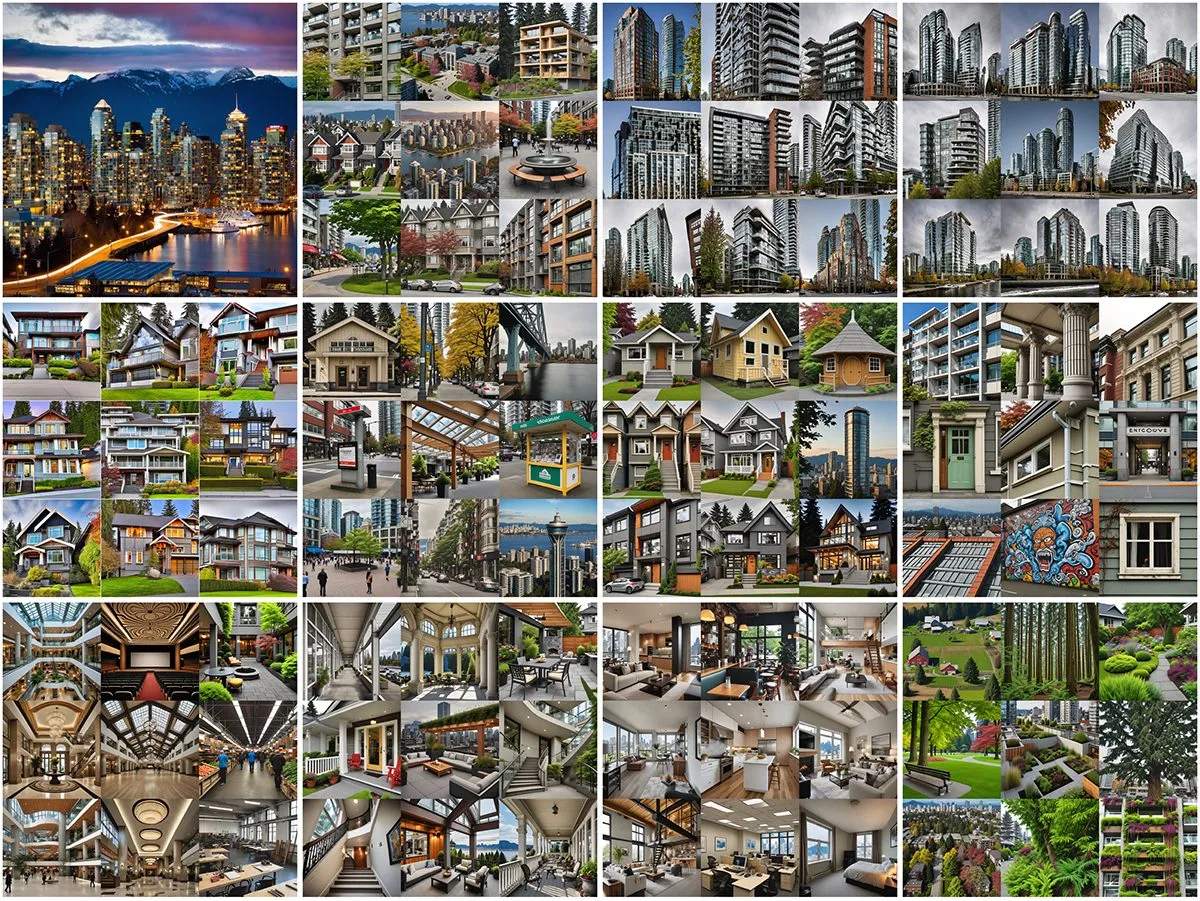
LCA-GCS
1,060,166 generated images of 5,856 cities across some eighty architectural types, published as an open dataset with an analysis of what image models believe about the world's cities and of the stereotypes they carry.
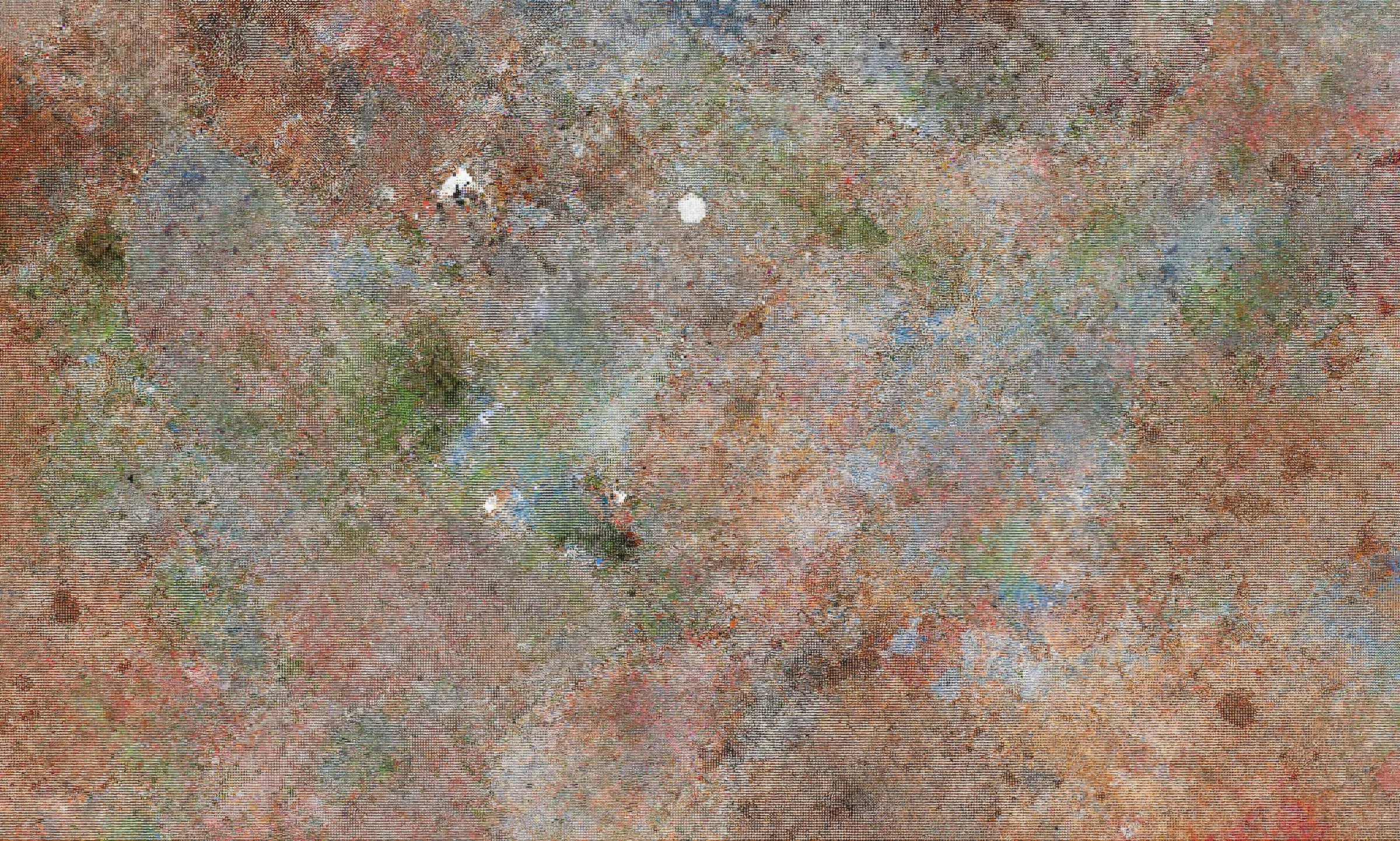
Latent Earth
200,000 images of 40,000 places on Earth, each rendered by one image model from nothing but the place's name and sorted by the model's own internal representations. Not a picture of the world but a probe of the model.
Geological Types
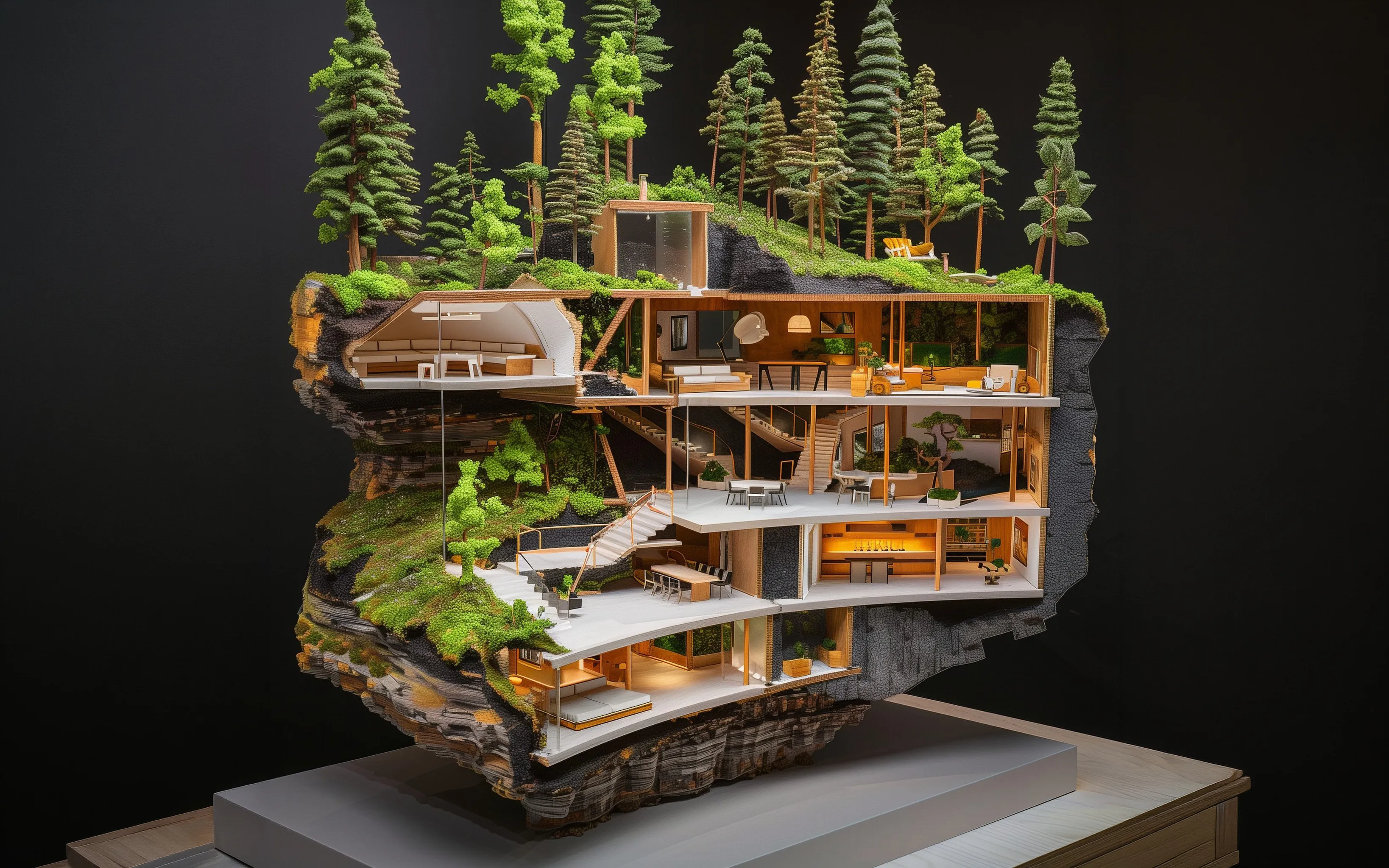
A four-minute film of building types grown rather than drawn: terraces cut into strata, rooms hollowed from the block, gardens on every ledge. Generated with Stable Diffusion 3 Medium and animated with Midjourney; shown in Transductions at Pratt Institute, Brooklyn, 2025.
§ work
More work
34 entries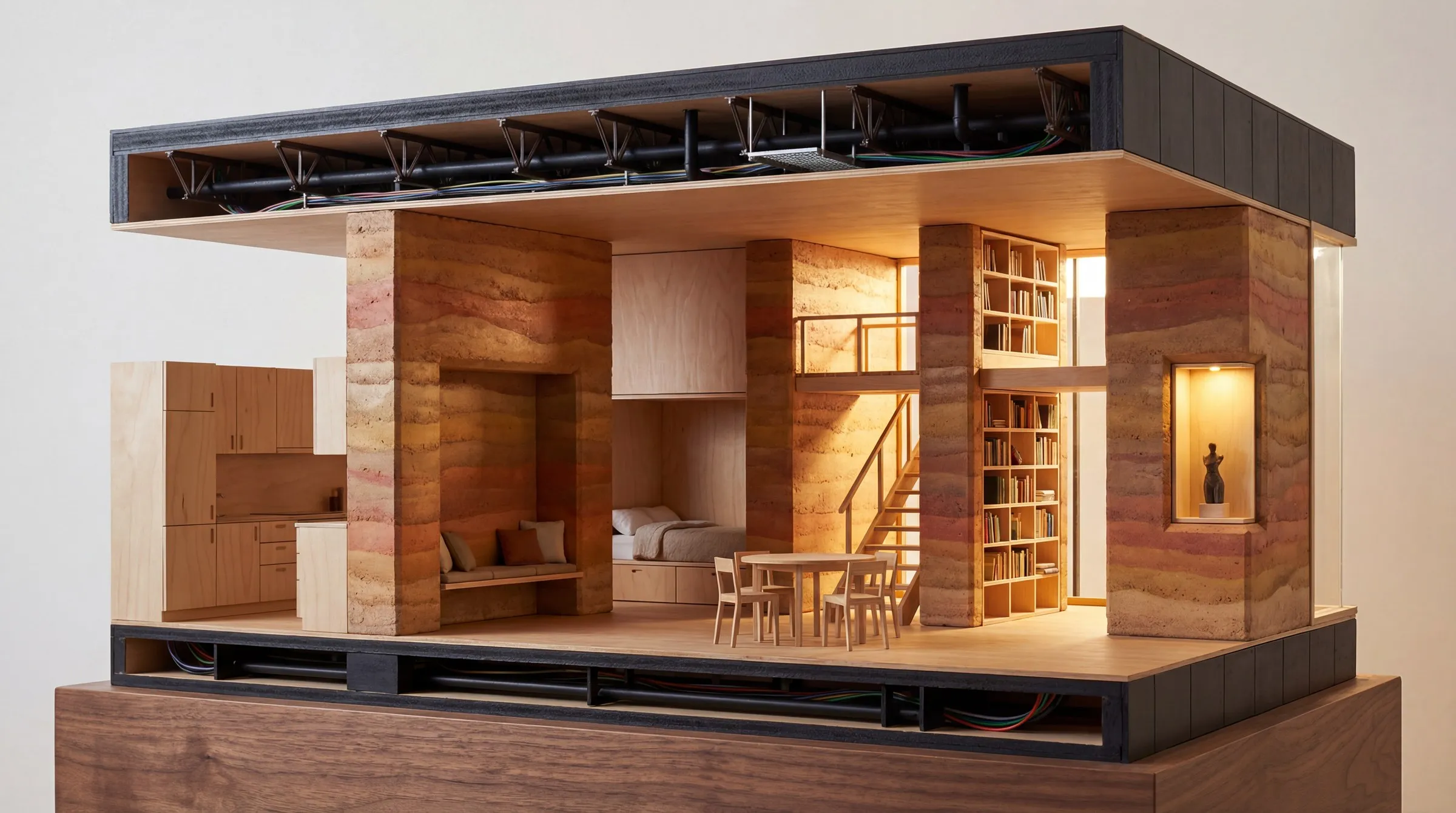
The Gießhof
A projective design study for Stuttgart: urban soil read as ore, iron cast on site, clay rammed into piers, and a cooperative that owns the result. Six grounds, one section, six institutions; developed alongside the studio Synthetic Types, 2026.
Cellulose
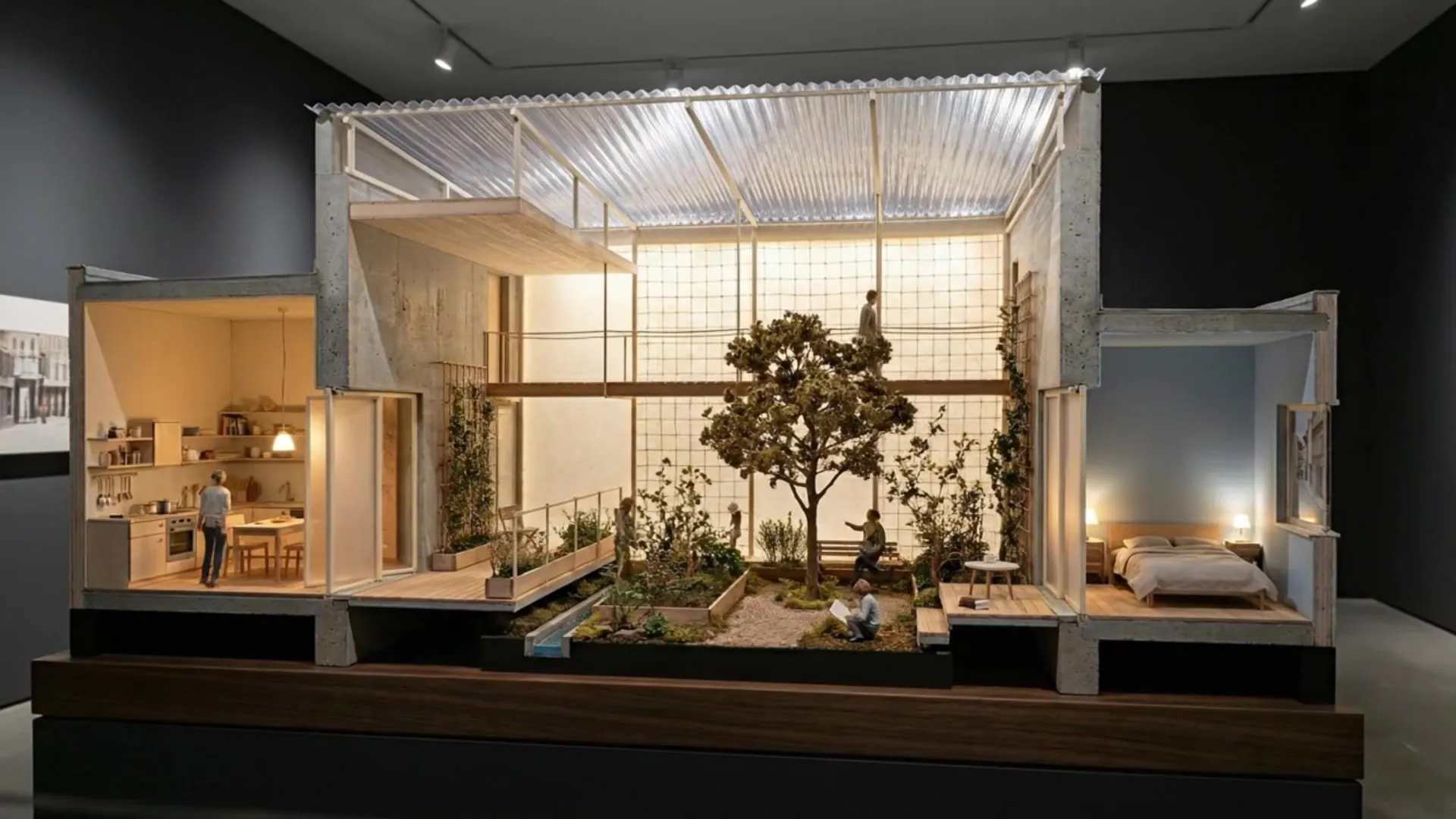
A design study for a housing type made from what a block throws away: a container-sized mill turns kitchen scraps, cuttings and paper into rope, tubes and a translucent membrane that robots stretch over the gaps, courtyards and roofs of an existing block. Film and images generated; 2026.
Generative Matter
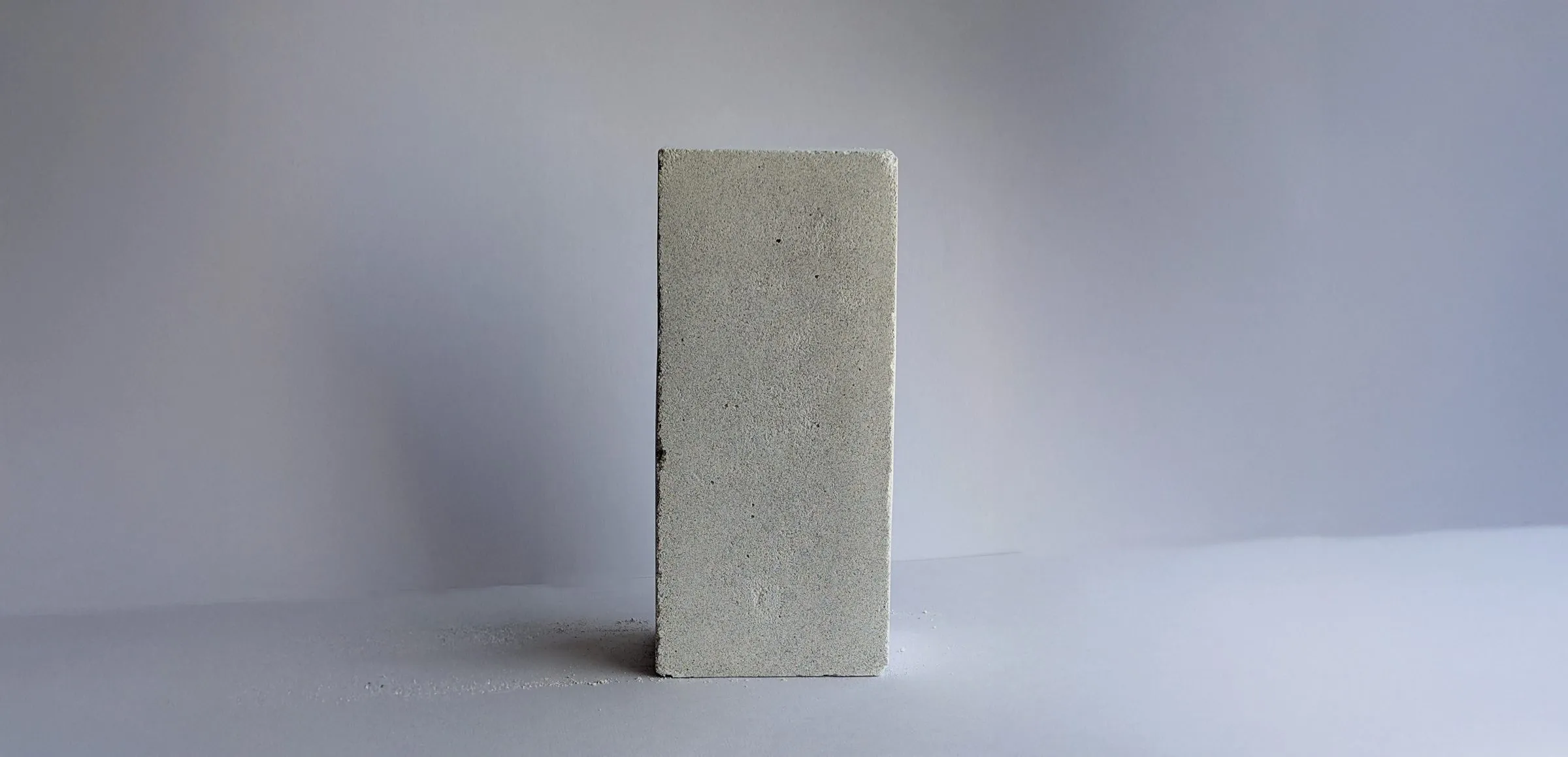
DeepMind's GNoME predicted 380,000 stable compounds. This pipeline filtered them to 13,638 building-material candidates with machine-readable synthesis protocols, released them openly, and made several of them physically, with students, in ordinary workshops.
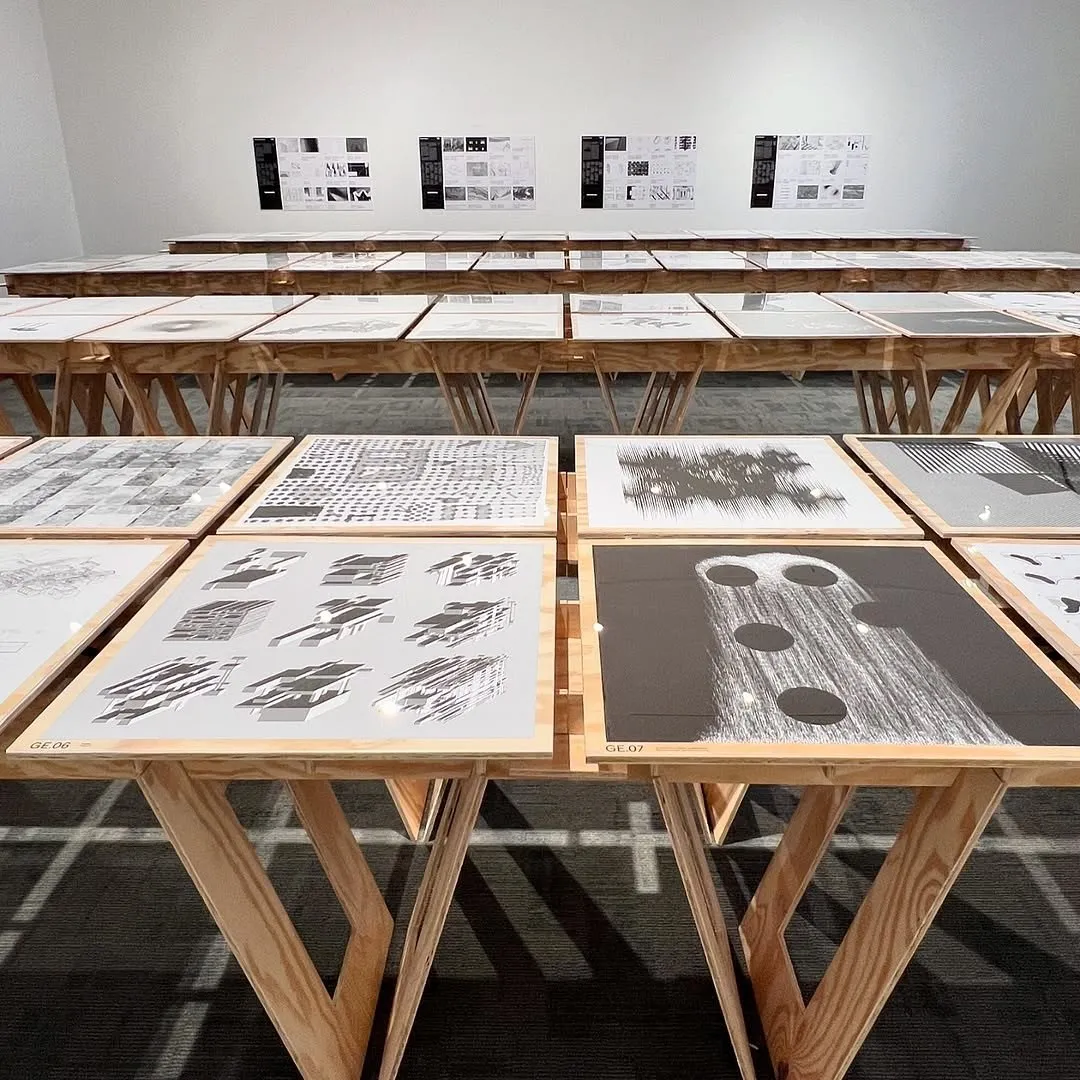
Complicit Code
A drawing shown in Drawing Codes: instead of beginning with setbacks and height limits, the buildings are designed through consent and complicity governed by blockchain algorithms. Mashburn Gallery, Houston, and Richardson Memorial Hall, New Orleans, 2025.
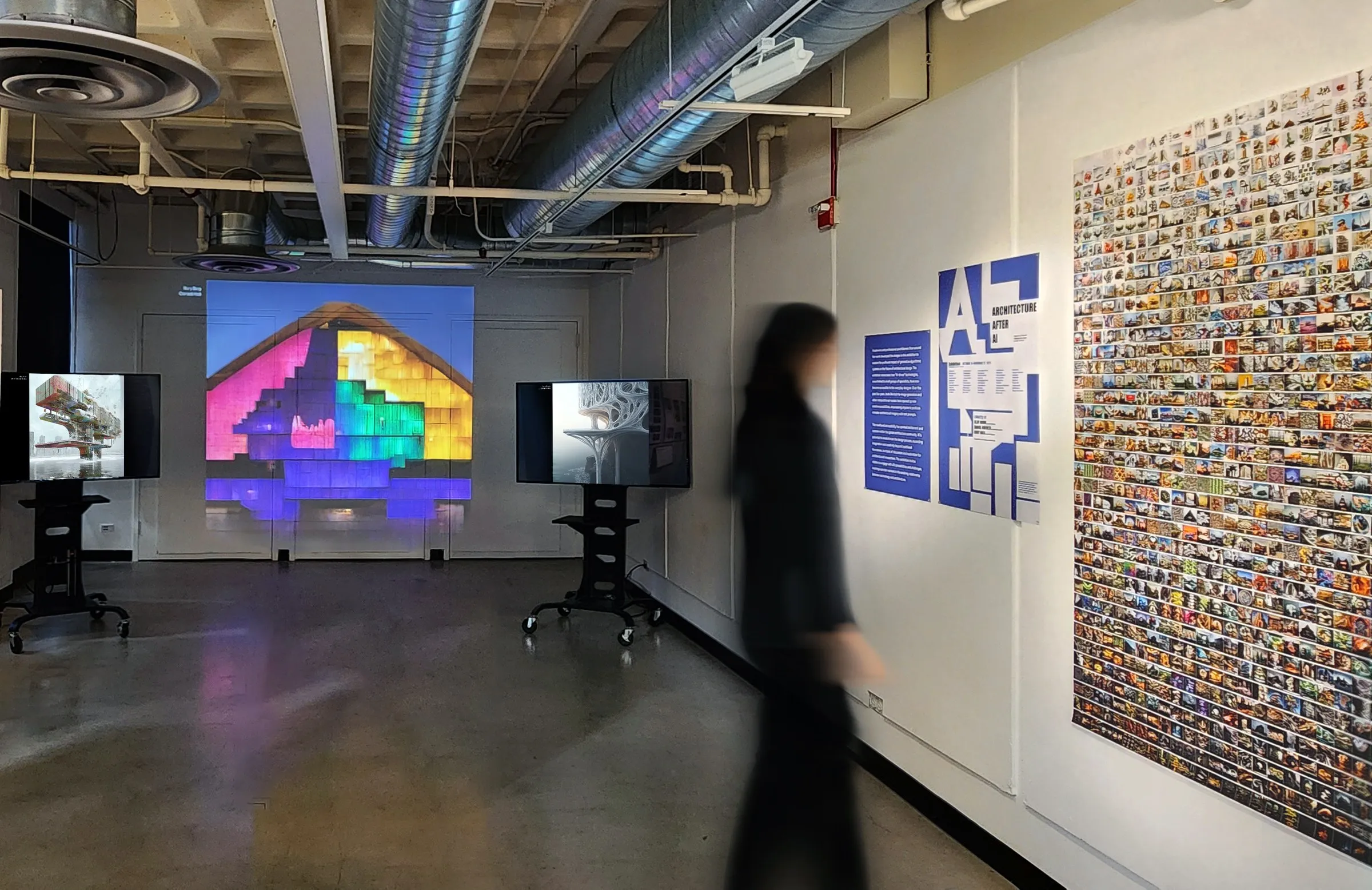
Architecture After AI
The first overview of generative AI in architecture: more than 2,000 works by 80 architects and artists, shown at the Mebane Gallery in Austin in 2023 and twice in Boulder in 2024 and 2025. Curated with Kory Bieg and Clay Odom.
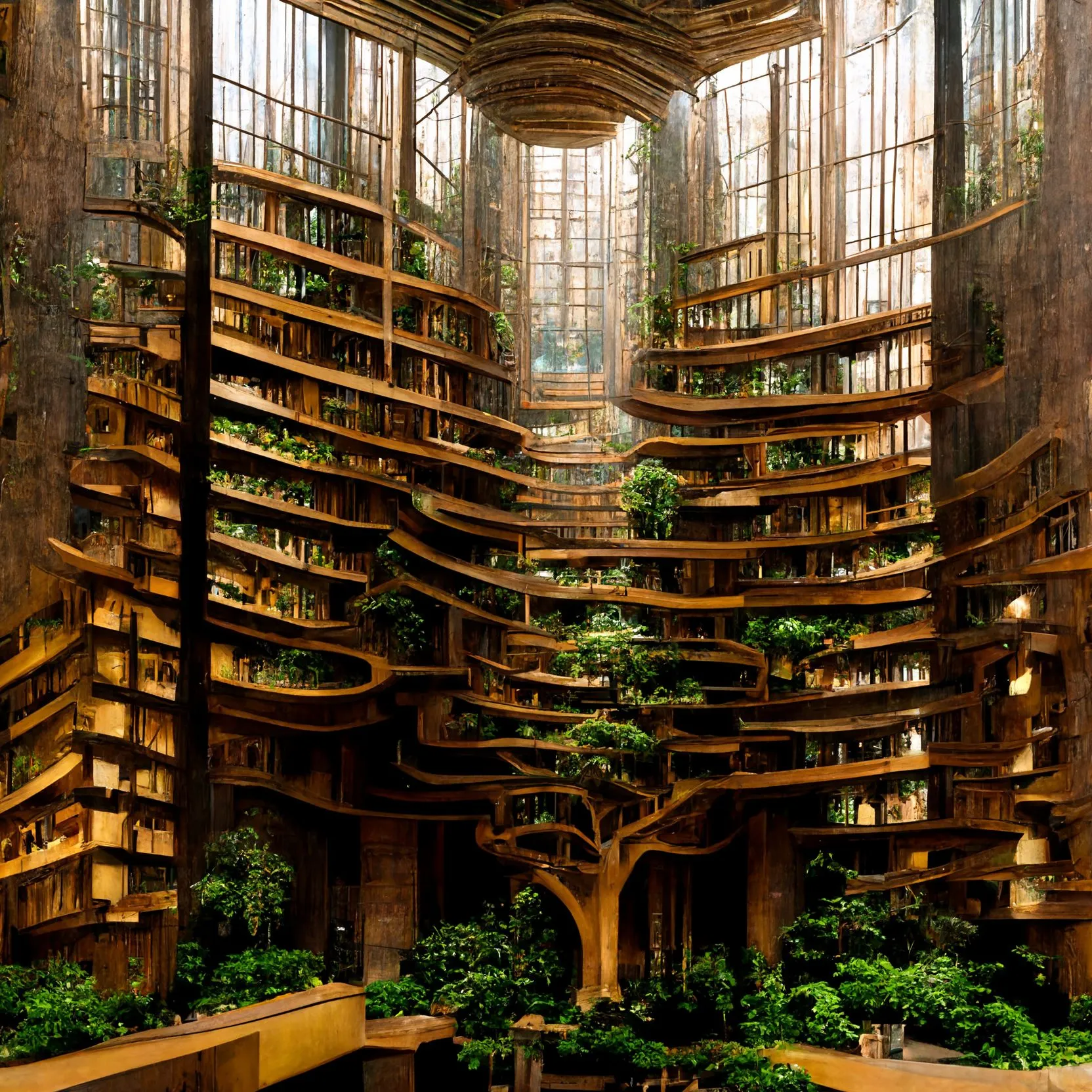
Foresting Architecture
Can cities be built with living trees? An advanced design studio at UT Austin and an image series that explore an architecture literally forested with trees; the series won the Metaverse Architecture and Design Award 2023.
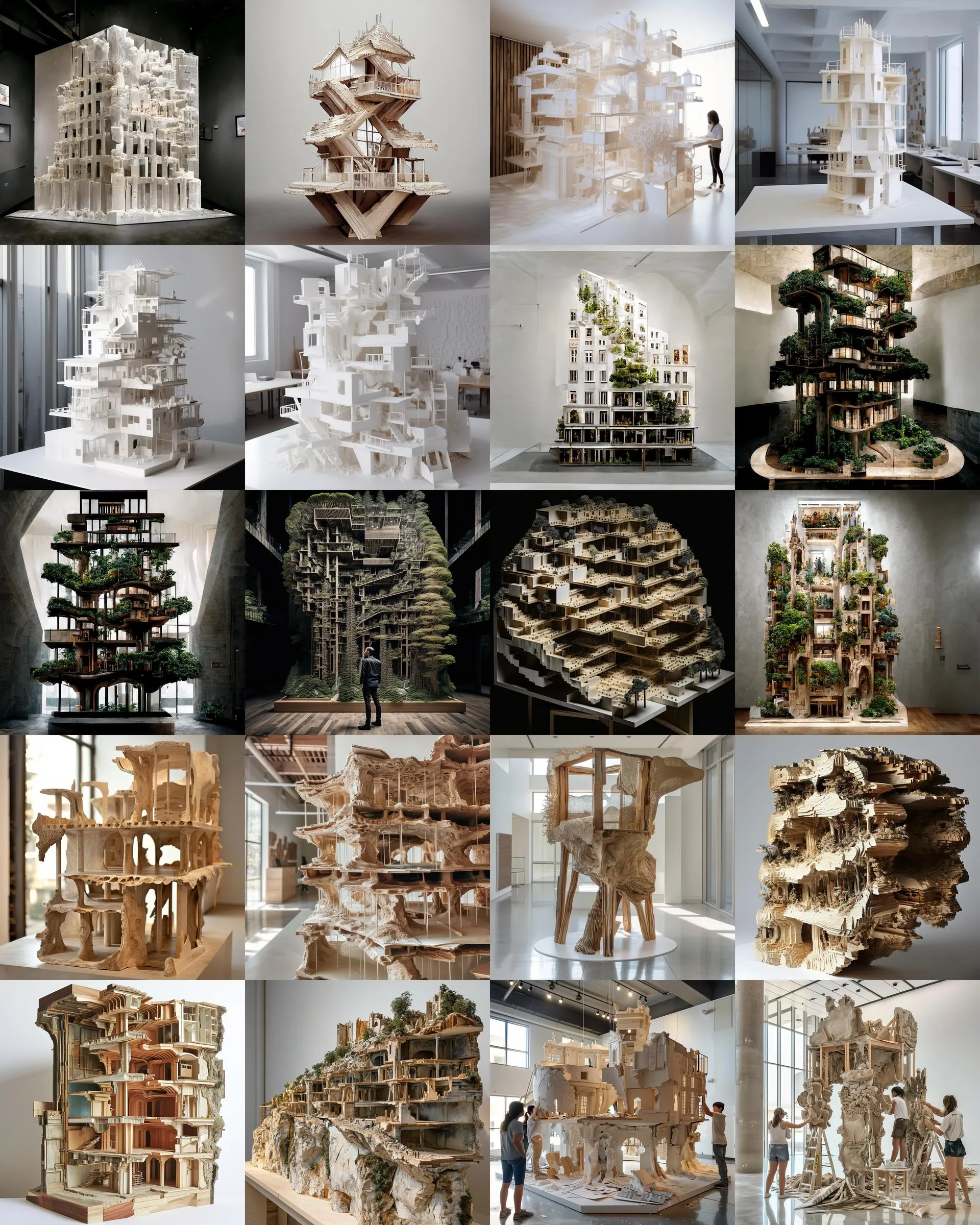
Research by Models
Physical models built in mixed media and left deliberately incomplete become the ground on which diffusion models are asked to complete a building. The augmentation stays answerable to the object on the table: the frame constrains the roof, the base constrains the section.
Carbon Hinterlands
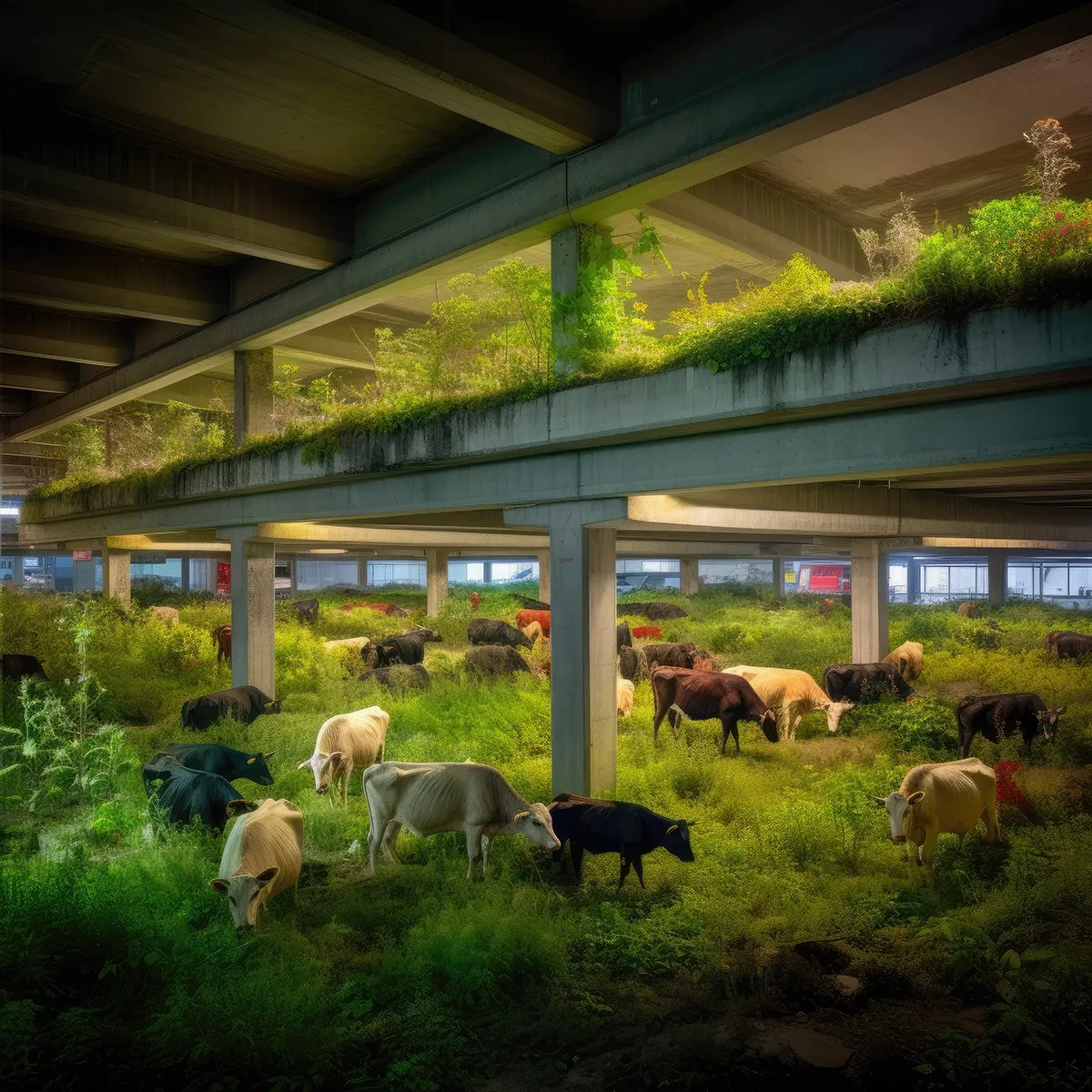
What about Cows: the future of parking and other carbon hinterlands. An image series on the parking garages that autonomous vehicles will leave behind, returned to farms, gardens and pasture, shown in Solarpunk Futures at P61, Berlin, 2023.
Designing Cities with Cities
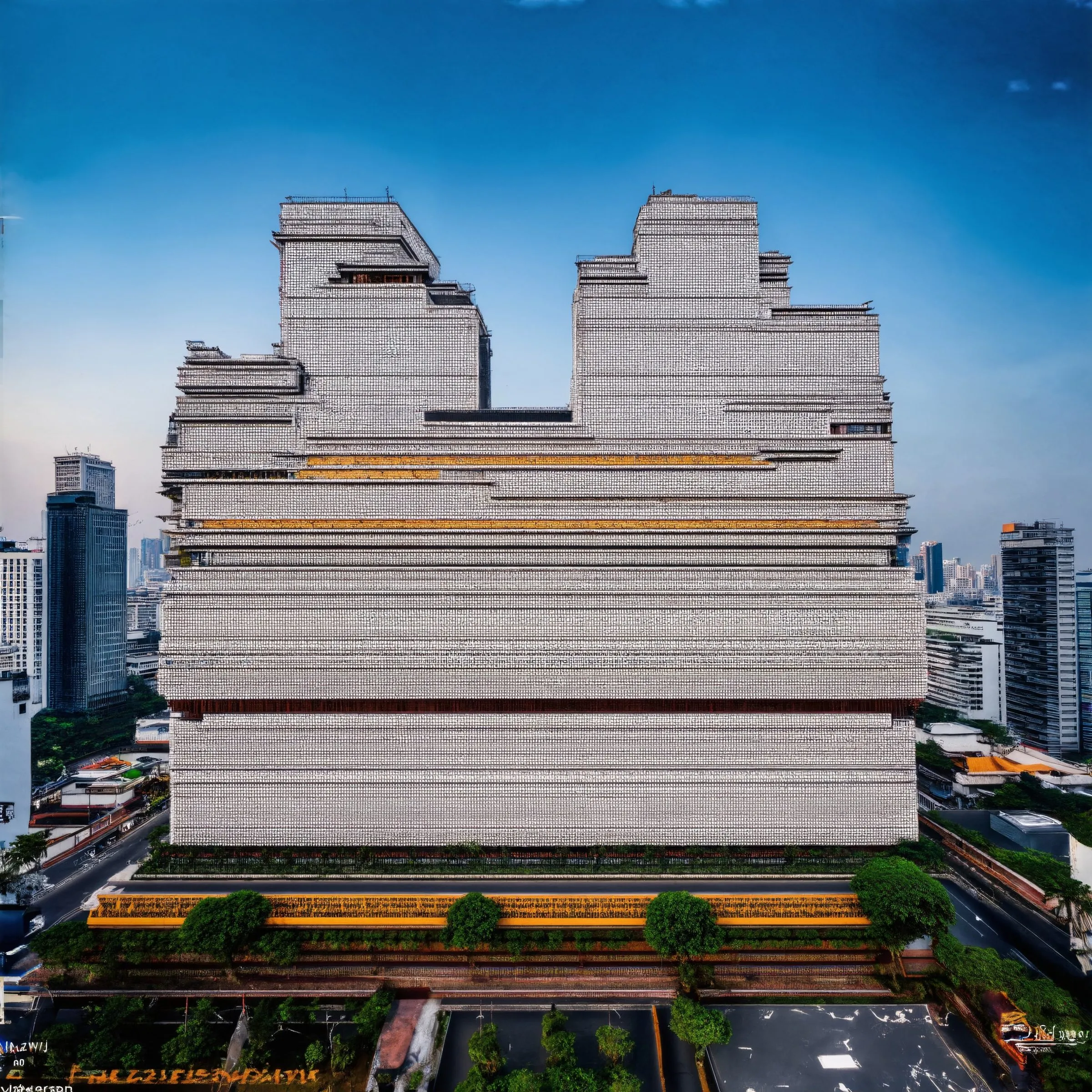
Generated image series from 2022–23, made from and about the imagery of cities: compressed city types, remixed neighborhoods, treehouses, urban material studies, and Rasa Navasaityte's interiors. The pilot studies that led to the LCA-GCS dataset.